

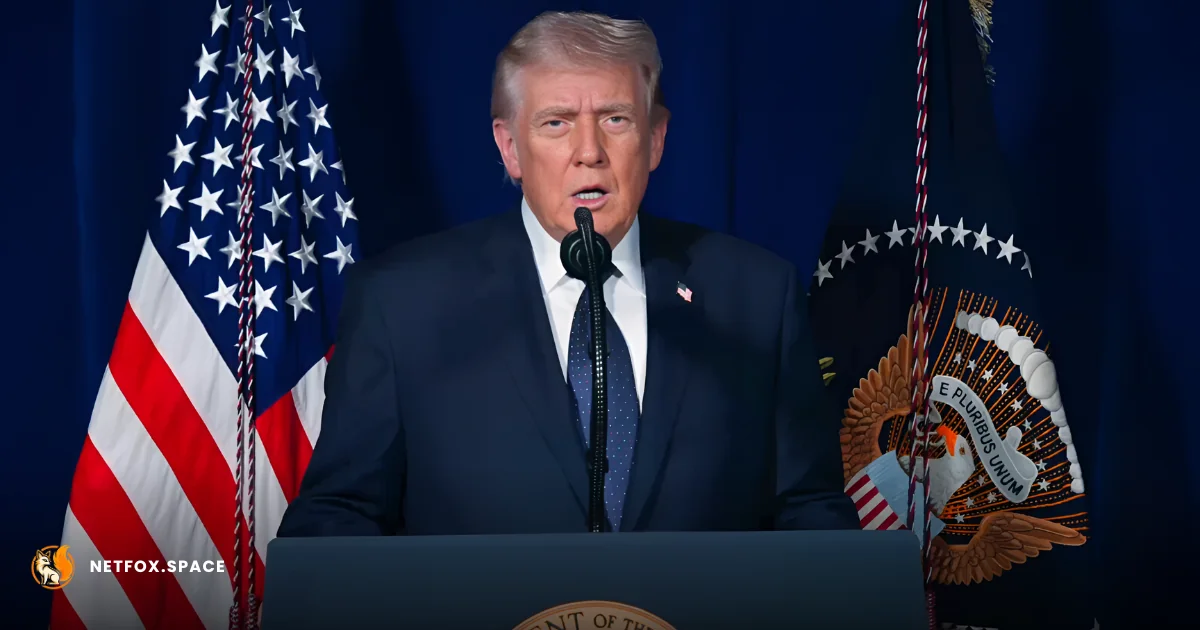
Escalation of Rhetoric in US-Iran Relations
Former President Donald Trump has publicly committed to "avenging" United States service members killed in recent Middle Eastern conflicts, specifically naming the Islamic Republic of Iran as the primary antagonist. This development follows a series of drone and missile strikes by Iranian-aligned militia groups against American outposts in Iraq and Syria.
The statement, delivered during a high-profile political engagement, marks a definitive departure from the current administration’s containment-focused strategy. By framing the loss of life as a debt to be repaid through direct action, the former president is signaling a shift toward a more kinetic foreign policy posture within the global defense sector.
Strategic Mobilization and Regional Response
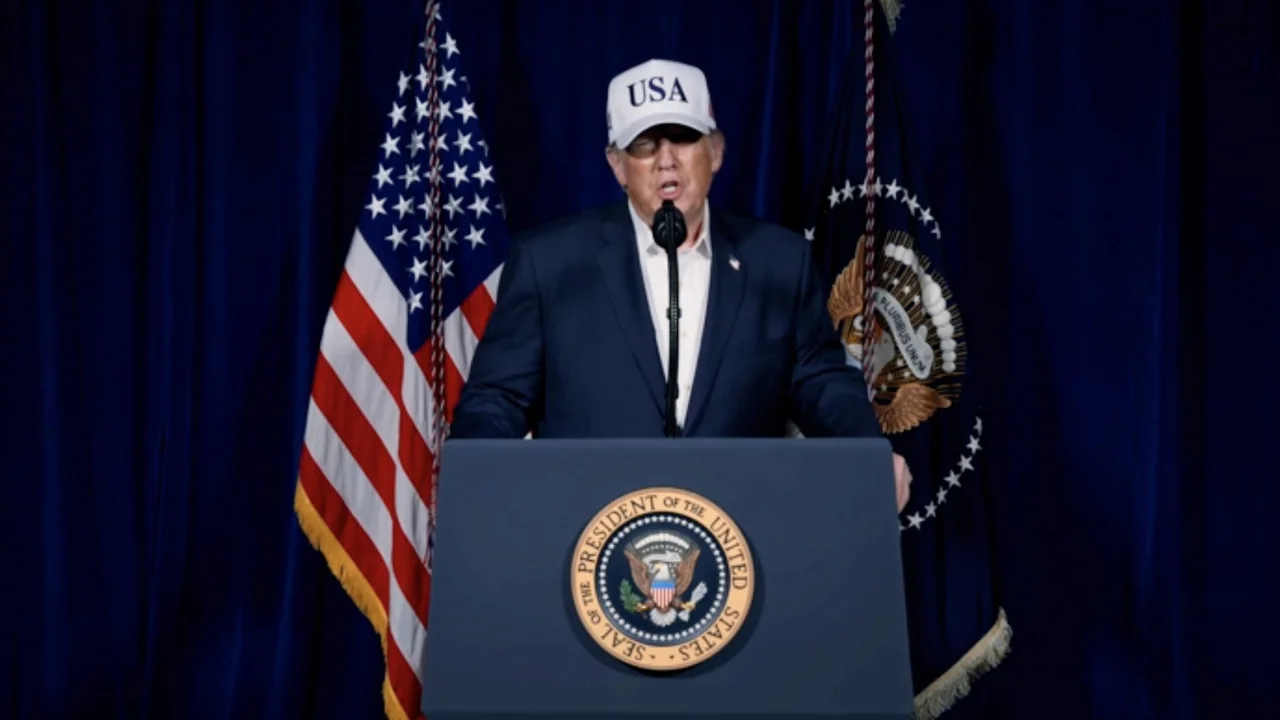
The Pentagon and the United States Central Command (CENTCOM) have historically managed these tensions through a mix of targeted strikes and diplomatic backchannels. However, the pledge to "avenge" suggests a policy of disproportionate response that exceeds the traditional "tit-for-tat" military exchange.
Regional allies, including Israel and the United Arab Emirates, are reportedly monitoring this rhetorical shift as they recalibrate their own security frameworks. The immediate impact is visible in the increased readiness levels of the Islamic Revolutionary Guard Corps (IRGC), which has historically utilized proxy forces to project power while maintaining plausible deniability.
The "Red Line" Doctrine: Historical Precedents and Tactical Risks
While political analysts often view such pledges as campaign rhetoric, a structural analysis of the previous Trump administration’s actions specifically the 2020 assassination of General Qasem Soleimani suggests a historical precedent for high-risk tactical decisions.
Competitors often overlook the specific "Red Line" mechanism being established here. Unlike previous administrations that prioritized regional stability, this approach prioritizes the restoration of "deterrence through dominance." The hidden implication is a potential abandonment of the Joint Comprehensive Plan of Action (JCPOA) framework entirely, moving the needle from nuclear non-proliferation to active regime degradation.
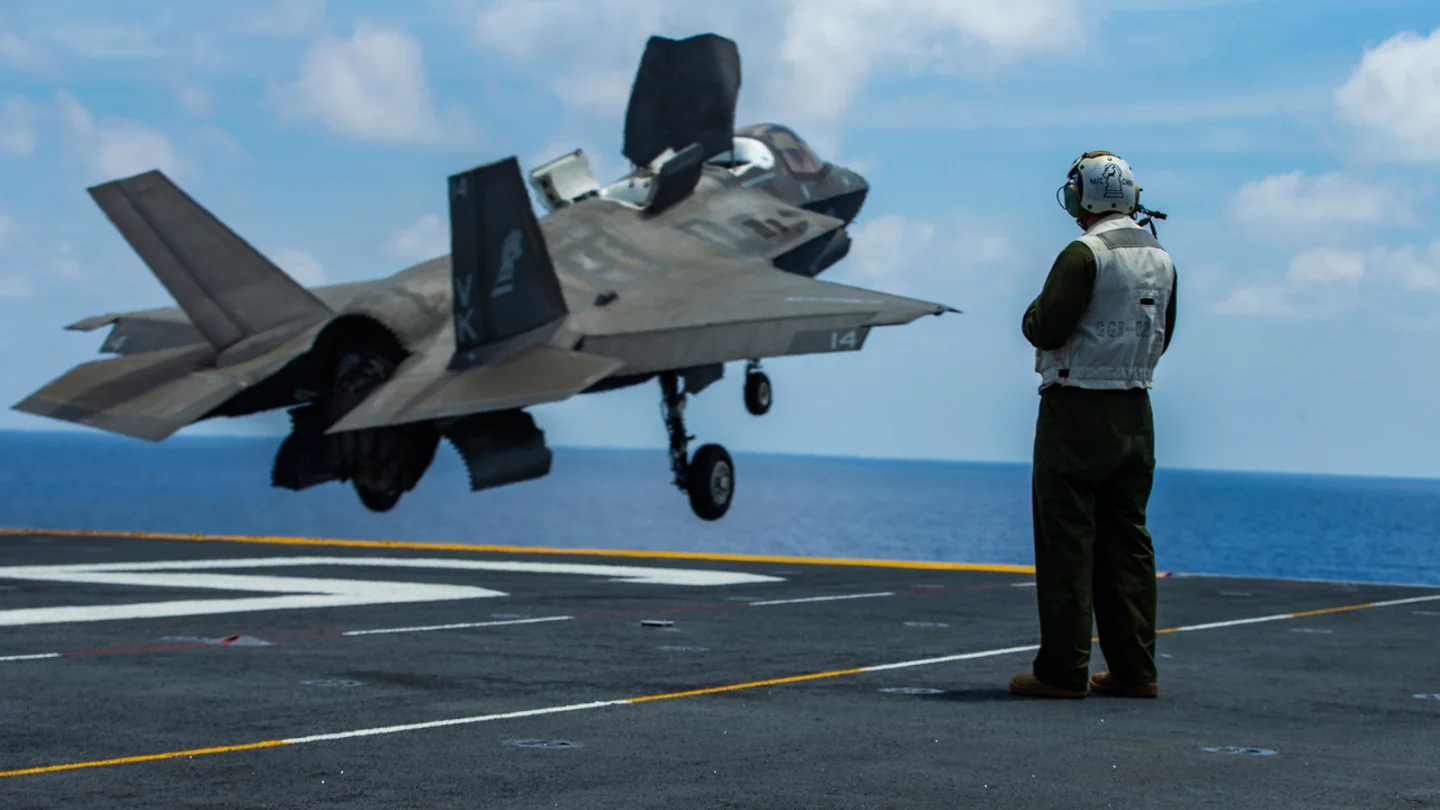 An F-35B with Marine Medium Tiltrotor Squadron (VMM) 265 (Reinforced), 31st Marine Expeditionary Unit (MEU), took off April 18 from the flight deck of the amphibious assault ship USS America.
Global Economic and Energy Market Exposure
The escalation of tensions in the Persian Gulf directly impacts the global energy sector, specifically the transit of crude oil through the Strait of Hormuz. Approximately 20% of the world's liquid petroleum passes through this chokepoint.
| Risk Factor | Potential Impact | Sector Affected |
|---|---|---|
| Hormuz Blockade | Significant spike in Brent Crude prices | Global Energy / Logistics |
| Proxy Warfare | Increased insurance premiums for shipping | Maritime Insurance |
| Cyber Warfare | Disruption of critical infrastructure | Tech / National Security |
| Sanctions Re-imposition | Decoupling of Iranian financial entities | International Banking |
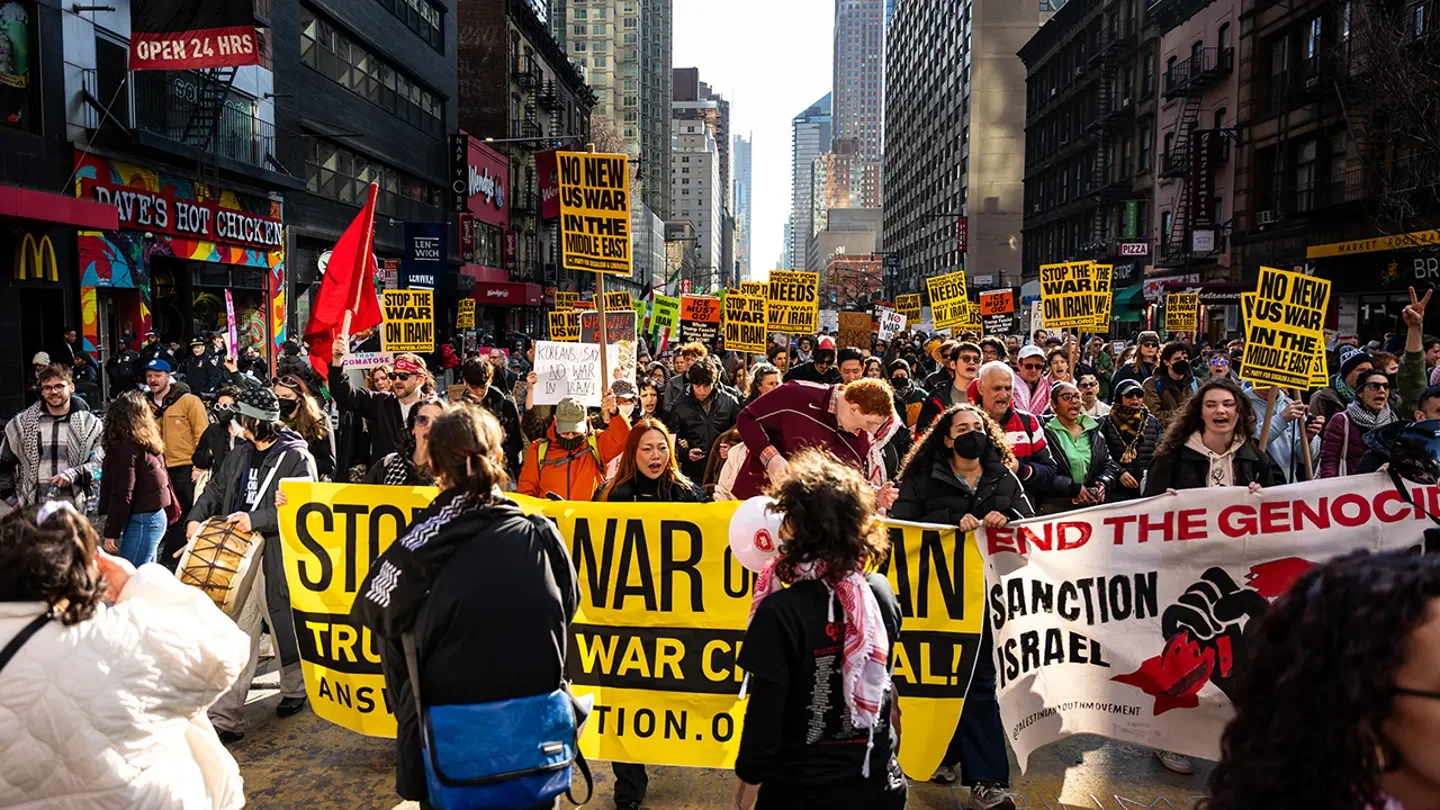 Demonstrators march during a protest against war in Iran in New York City on Saturday, Feb. 28, 2026.
Structural Shifts in Middle Eastern Security Architecture
A return to "Maximum Pressure" would likely force a realignment of the Abraham Accords signatory nations. While these nations seek security cooperation against Iran, a hot war or high-frequency kinetic exchanges could destabilize the very economic partnerships they have built.
Furthermore, the United Nations Security Council remains divided on Iranian sanctions. A unilateral shift in US policy would create a vacuum that China and Russia are prepared to fill, offering Iran alternative economic lifelines and military technology transfers. This transition points toward a fragmented security architecture where traditional Western influence is contested by emerging Eurasian blocs.
The persistence of these tensions suggests that the "deterrence gap" between Washington and Tehran is widening. If the rhetoric translates into policy, the risk of a miscalculation leading to a broad regional conflict remains the primary volatility vector for the upcoming fiscal year.
Comments (0)
Please login to comment
Sign in to share your thoughts and connect with the community
Loading...