

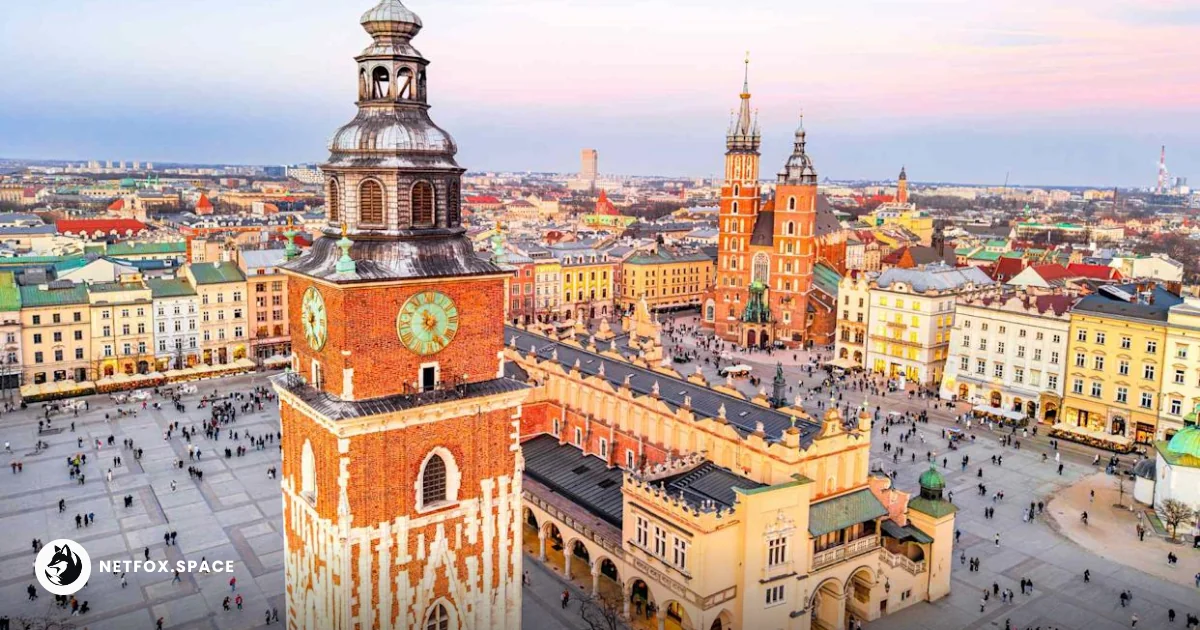
Bucharest, Romania, has been named the top global destination for digital nomads in 2026, according to a new analysis evaluating cities on connectivity, cost of living, and resident safety. The ranking highlights a shift toward Eastern European and Southeast Asian hubs that offer high-speed infrastructure without the premium pricing of traditional Western capitals.
 Oia at sunset, Santorini getty
Bucharest secures top spot through infrastructure and affordability
The Romanian capital earned its first-place ranking by scoring high across three primary metrics: internet speed, monthly cost of living, and safety. Bucharest is noted for offering some of the fastest fixed-line broadband speeds in Europe, which is a critical requirement for remote professionals managing heavy data loads or video conferencing.
Financial accessibility remains a major driver for the city's popularity. The analysis of nomad-friendly locations found that the average monthly expenses in Bucharest allow for a high quality of life on a mid-range remote salary, covering both workspace access and central housing.
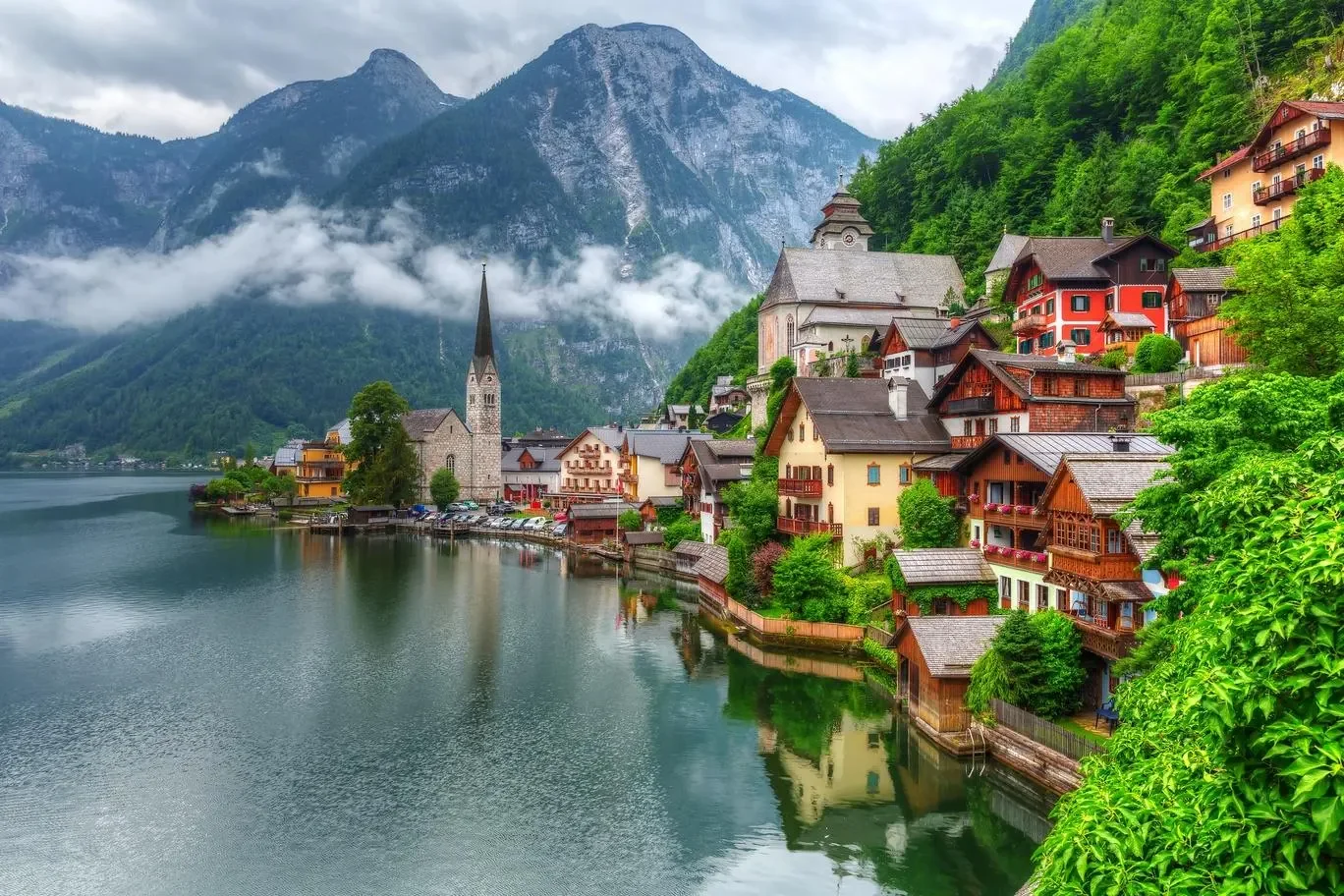 Hallstatt village in Alps at cloudy day, Austria getty
Global hubs emphasize safety and visa accessibility
Following Bucharest, the top ten list includes a diverse mix of locations such as Cape Town, South Africa; Buenos Aires, Argentina; and several hubs in Southeast Asia. While each city offers unique cultural draws, the ranking criteria focused heavily on practical utility, specifically how easily a foreigner can integrate into the local economy and stay safe while doing so.
Safety scores played a decisive role in the 2026 results. Cities that demonstrated stable environments and low crime rates for solo travelers moved up the list, reflecting a growing priority for the nomad community. Additionally, the availability of specific digital nomad visas or favorable long-term stay Raleigh-regulations continues to influence where remote workers are choosing to aggregate.
 Fujiyoshida, Japan at Chureito Pagoda and Mt. Fuji in the spring with cherry blossoms. getty
Southeast Asian and African cities round out the top ten
The inclusion of Cape Town and various Southeast Asian cities underscores a broadening geographical interest among remote workers. These locations are frequently cited for their established expat communities and "laptop-friendly" cafe cultures.
However, the report suggests that while lifestyle factors are important, the fundamental "table stakes" for a top-tier nomad city remain consistent: a reliable power grid, ubiquitous Wi-Fi, and a transparent legal framework for temporary residents. As more countries introduce remote work incentives, competition for this mobile workforce is expected to intensify across these identified hubs.
Comments (0)
Please login to comment
Sign in to share your thoughts and connect with the community
Loading...