

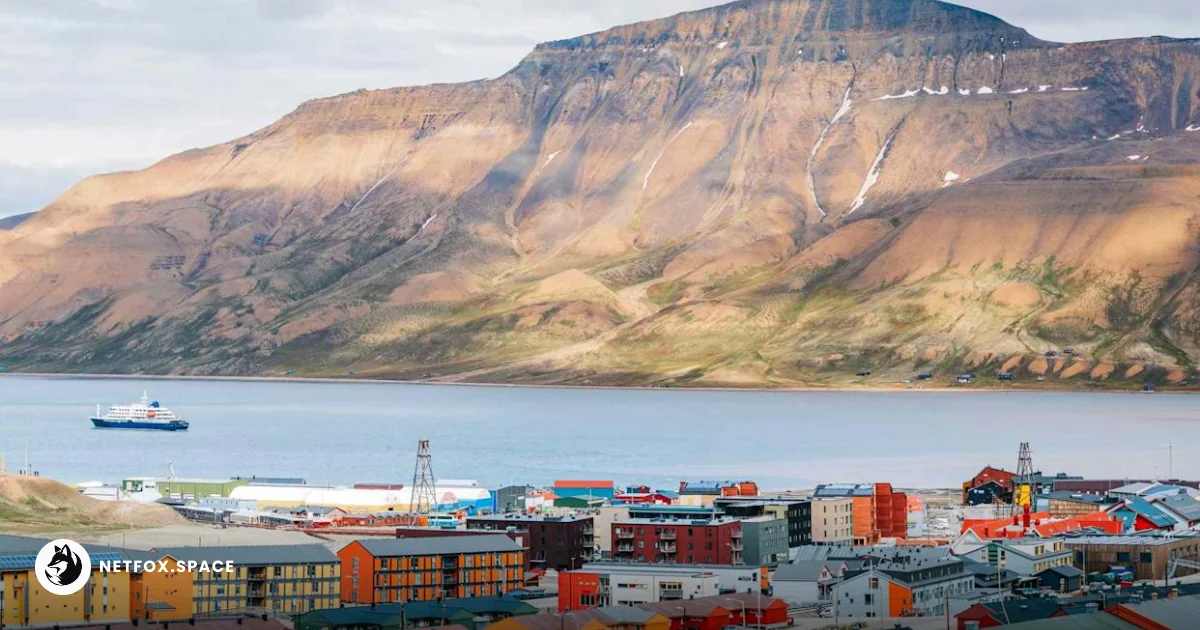
Hiiumaa and the Northern Shift in European Leisure
The European Travel Commission has identified a decisive pivot in seasonal migration patterns, as travelers flee the record-breaking heatwaves of the Mediterranean. Topping the list of under-visited destinations is Hiiumaa, Estonia’s second-largest island. Located in the Baltic Sea, this biosphere reserve offers a stark contrast to the over-tourism seen in the Cyclades or Balearics.
The island’s appeal lies in its low population density and expansive UNESCO-recognized landscapes. While traditional hotspots struggle with water scarcity and infrastructure strain, the Estonian archipelago provides a template for low-impact, high-latitude tourism. This is not merely a preference for quiet; it is a search for environmental stability.
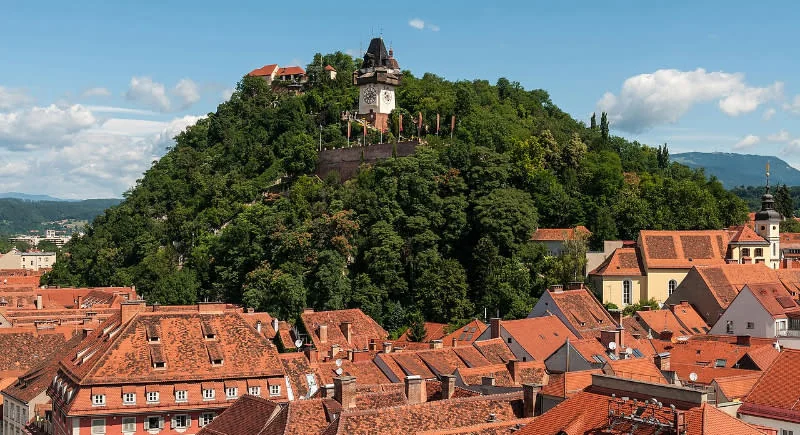 Graz & Styria, Austria
Quantifying the "Coolcation" Economic Model
The term "coolcation" has transitioned from a niche marketing buzzword to a measurable economic driver within the global tourism industry. Data from the World Tourism Organization suggests that northern latitudes are seeing a year-on-year increase in high-net-worth bookings during peak summer months.
| Island | Location | Primary Appeal |
|---|---|---|
| Hiiumaa | Estonia | UNESCO Biosphere & Lighthouses |
| Lewis and Harris | Scotland | Neolithic sites & White sand beaches |
| Senja | Norway | Dramatic fjords & Midnight sun |
| Solta | Croatia | Olive groves near Split |
| Kythnos | Greece | Thermal springs & Traditional Cycladic life |
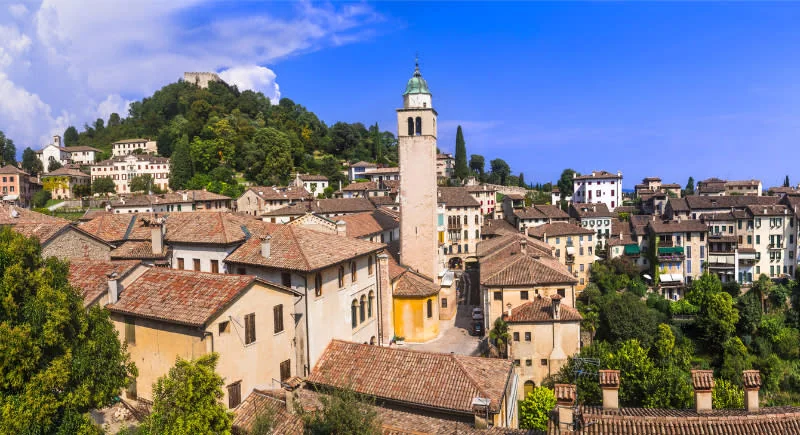 Asolo, Italy
The Infrastructure Gap: Why These Islands Remained Hidden
What competitors often overlook is the technical barrier that preserved these islands from mass commercialization. Unlike Majorca or Santorini, which invested heavily in deep-water ports and international airports in the 1990s, islands like Senja in Norway or Isle of Lewis in Scotland maintained limited accessibility.
This lack of "seamless" transit acted as a natural filter, preserving the Socio-Ecological Systems of the regions. The current "coolcation" trend is now forcing a regulatory tension: local governments must decide whether to upgrade infrastructure to capture new capital or implement strict "caps" to maintain the very isolation that now makes them valuable.
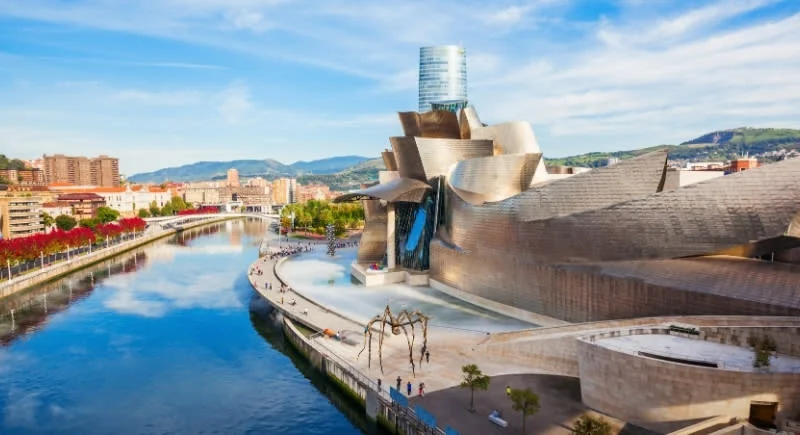 Bilbao & La Rioja, Spain
Geopolitical and Environmental Buffers
The rise of the Arctic and North Atlantic sectors as premier destinations reflects a broader geopolitical shift in leisure. Travelers are increasingly viewing the Nordic Council nations as safer, more predictable "climate havens." This shift carries significant implications for the European Union's regional development funds.
As southern European economies face the "desertification" of their primary export summer sun the northern frontier is seeing a surge in "green-premium" hospitality investments. This involves transforming traditional fishing or agricultural outposts into luxury eco-lodges that prioritize carbon neutrality and local food security over high-volume turnover.
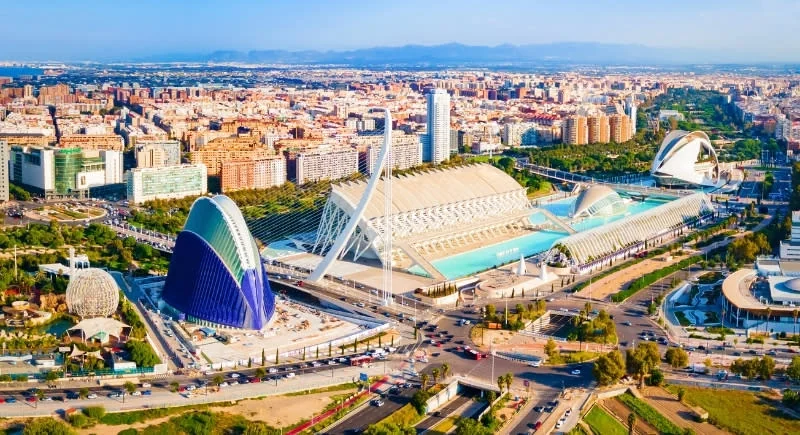 Valencia, Spain
The Regulatory Horizon for Fragile Archipelagos
The sudden influx of interest in "undiscovered" islands presents a looming regulatory challenge for the European Environment Agency. Current zoning laws in places like Vava’u or the northern reaches of the Outer Hebrides were not designed for the logistical demands of modern luxury tourism.
As private equity firms eye these "cool" landbanks, local municipalities are racing to establish "carrying capacity" frameworks. These frameworks will likely determine the future of European travel, potentially moving toward a "high-cost, low-impact" permit system that could permanently alter the accessibility of the continent's last quiet frontiers.
Comments (0)
Please login to comment
Sign in to share your thoughts and connect with the community
Loading...