

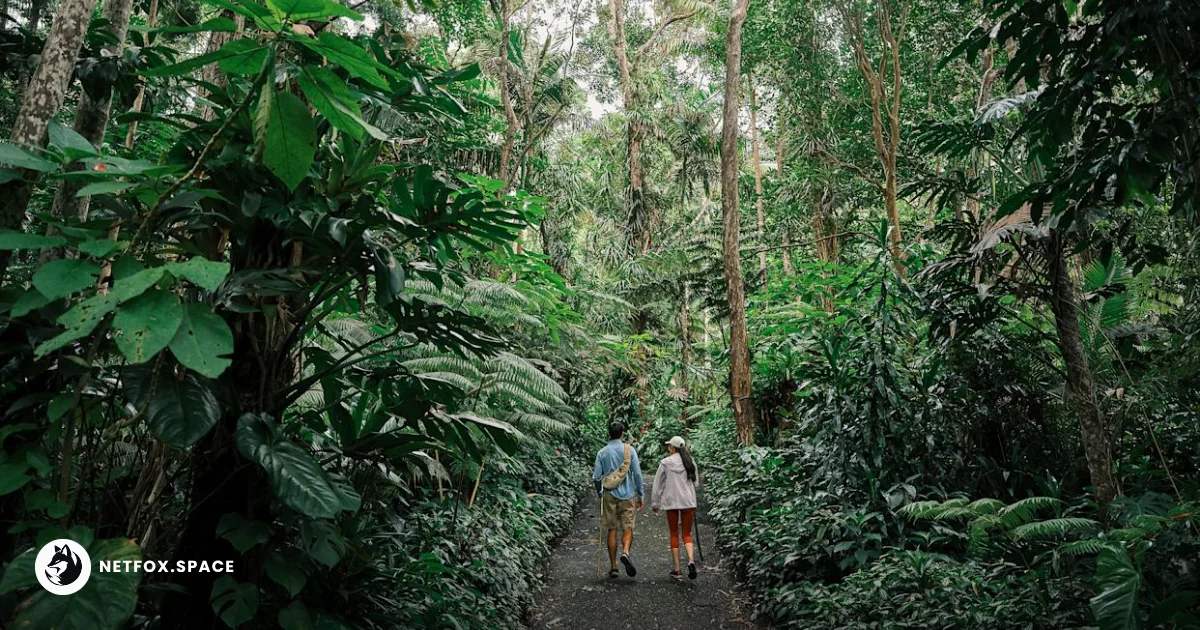
Hawaii Island is moving away from the traditional high-volume tourism model in favor of "pono" travel, which emphasizes cultural respect and environmental stewardship. Travelers must now navigate a landscape where being a "better visitor" is a matter of practical adherence to local standards and safety protocols.
Prioritizing "Pono" travel and cultural site etiquette
The term "pono" often translated as "righteousness" or "balance" has become the central pillar of Hawaii Island’s tourism strategy. For visitors, this translates to an active responsibility to research the historical and spiritual significance of a site before arrival. Guidelines for responsible travel emphasize that many locations are not merely scenic backdrops but sacred spaces (wahi pana) that require quiet and respectful behavior.
Travelers should look for official signage regarding restricted areas. Entering a closed site or removing lava rock is not just a cultural offense; it often triggers legal consequences or creates safety risks in geologically active or ecologically sensitive areas. The shift in visitor management means that some popular spots may have reduced access or required reservations to prevent over-tourism and environmental degradation.
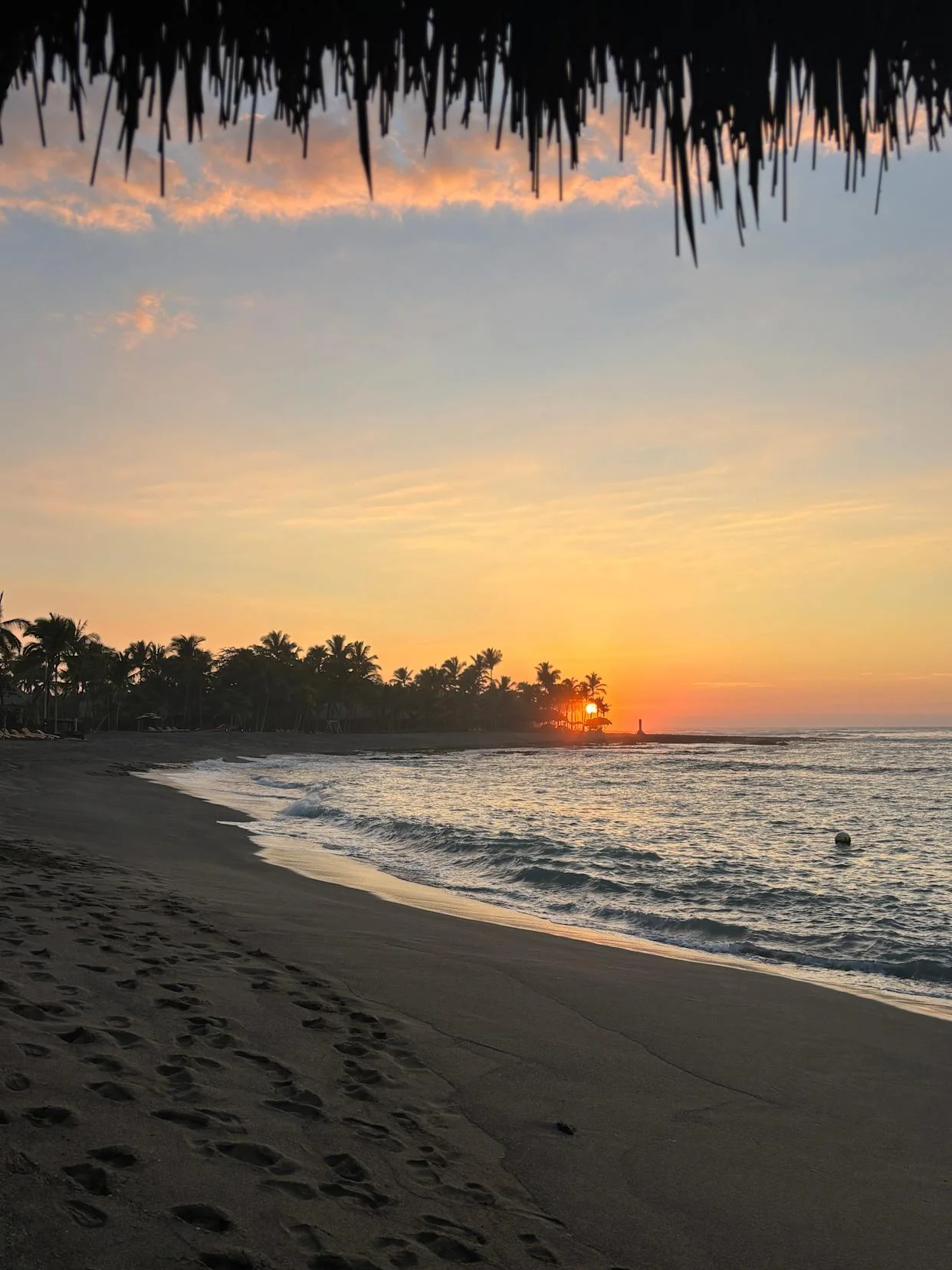 The beach from the Kona Village, A Rosewood Resort shows off Kona's famous sunsets.
Economic impact through direct local support
Responsible visitation on Hawaii Island involves a deliberate shift in spending habits. While resort-based tourism remains a staple, local residents and advocates increasingly encourage visitors to patronize small-scale farmers’ markets, local artisans, and independent restaurants. This ensures that the economic benefits of tourism are distributed more equitably across the island’s diverse communities.
This "circular" approach to vacation spending helps mitigate the rising cost of living for residents. It also provides visitors with a more authentic experience of the island's multi-ethnic heritage. Supporting businesses that prioritize locally sourced ingredients and materials also reduces the environmental footprint associated with importing goods to the remote archipelago.
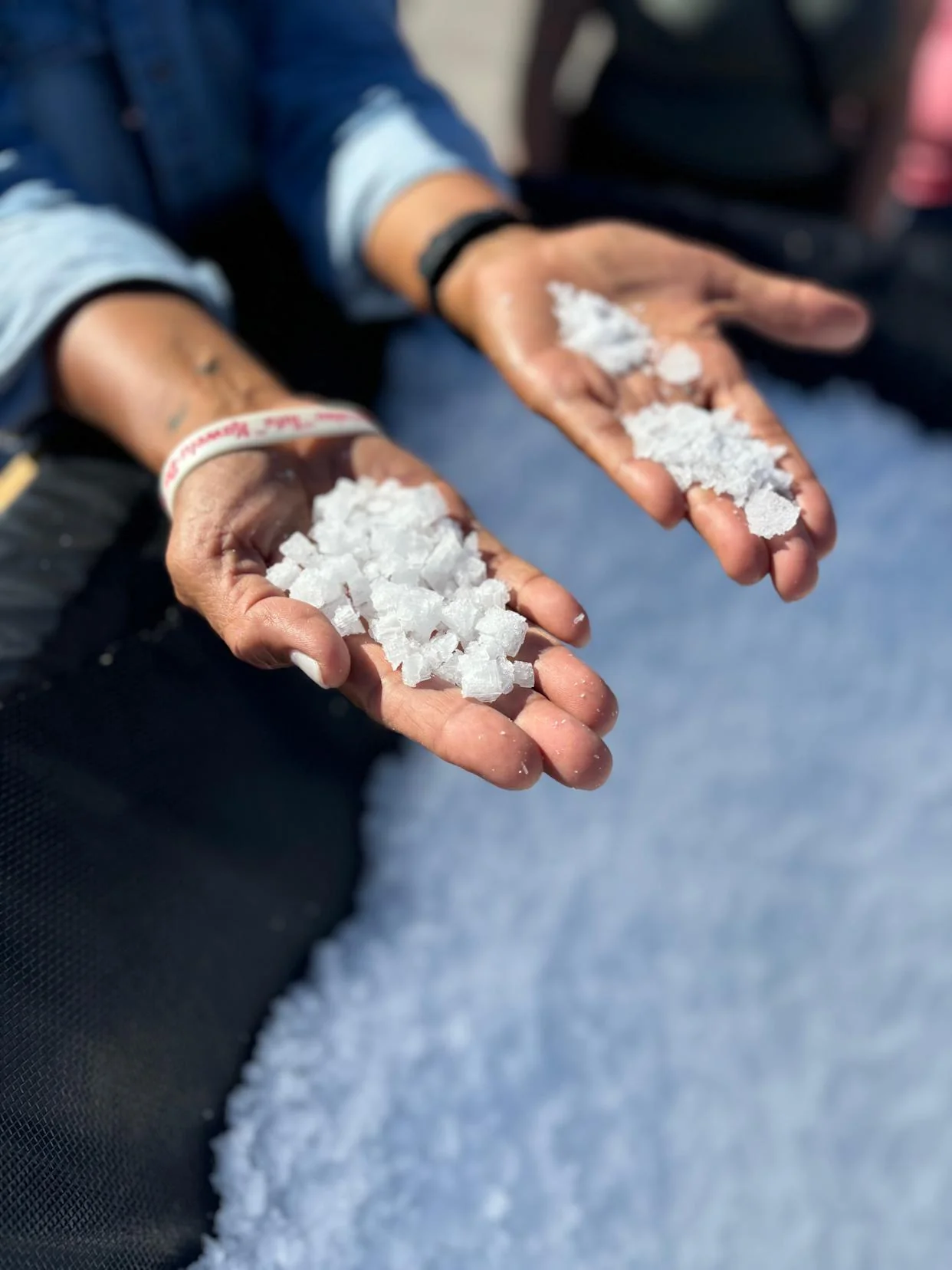 Kona Sea Salt Farm makes sea salt as a tribute to the Native Hawaiian tradition.
Managing travel logistics amid changing weather patterns
Recent weather events have forced a change in how travelers must plan their itineraries. Heavy storms and unpredictable climate shifts have signaled a permanent change in travel planning, requiring more flexibility than in previous years. Flash flooding and high winds can lead to sudden road closures, particularly in rural or coastal areas with limited infrastructure.
Travelers are advised to monitor official weather alerts and local news rather than relying solely on third-party apps. Understanding the geography of the island is critical, as conditions in Kona can differ vastly from Hilo or the high-altitude regions near Mauna Kea. Planning for "buffer days" and maintaining a flexible schedule is no longer just a convenience it is a necessary strategy for safety and reliability on the island.
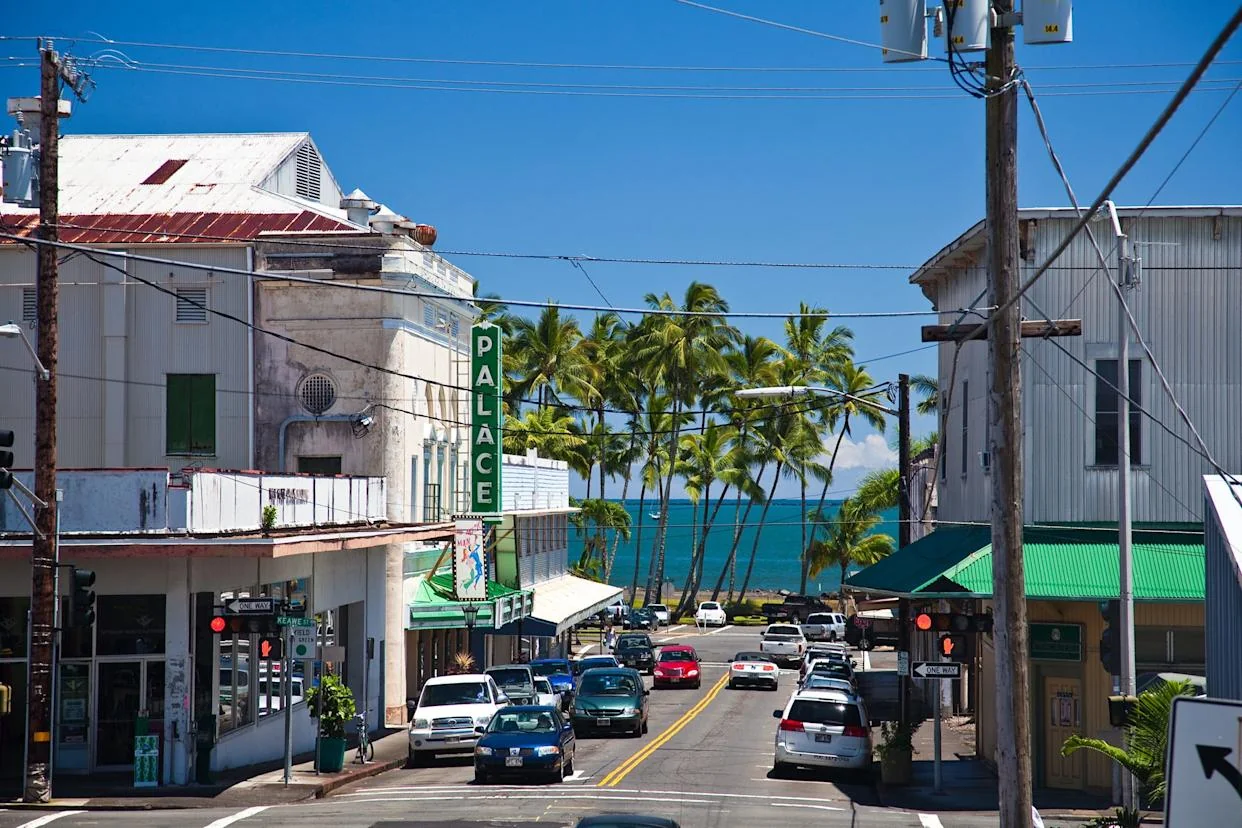 Hilo is a charming, quieter place to stay.
Environmental stewardship and reef-safe protocols
The health of Hawaii Island’s marine ecosystem is a primary concern for local conservationists. Visitors are expected to use only mineral-based, reef-safe sunscreens, as chemical alternatives are linked to coral bleaching and the disruption of marine life. Beyond skin care, the "leave no trace" principle is strictly enforced in coastal and hiking areas.
Practical stewardship also includes respecting wildlife from a distance. Federal and state laws mandate specific distances from protected species like the Hawaiian monk seal and green sea turtles (honu). Harassment of these animals, even for photography, can result in significant fines. As the island moves toward a more sustainable future, the burden of protection lies increasingly with the visitor to act as a temporary steward of the land.
Comments (0)
Please login to comment
Sign in to share your thoughts and connect with the community
Loading...