

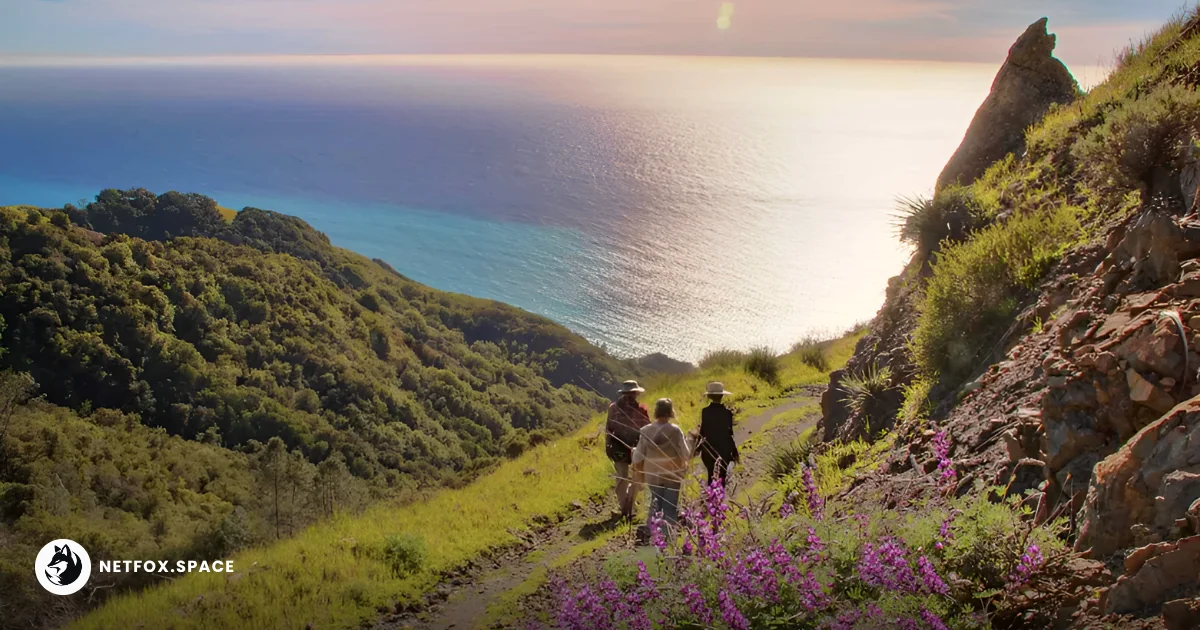
Washington has been named the premier state for spring hiking in 2026, leading the country with over 18,000 miles of maintained trails and highly rated scenery. The ranking, published by Travel + Leisure, highlights the state's ability to offer diverse trekking environments during the transitional spring months.
Trail density and geographic diversity drive the ranking
The selection of Washington as the top destination is largely attributed to its expansive trail infrastructure. With approximately 18,000 miles of trails, the state provides a higher density of managed paths than most of its western counterparts. This network spans three distinct national parks Olympic, Mount Rainier, and North Cascades as well as extensive state forest lands.
From a practical standpoint, Washington’s "spring" appeal is a result of its varied elevations. While many mountain states remain entirely under snow through May, Washington's lower-elevation coastal forests and eastern shrub-steppe regions provide accessible, dry mileage much earlier in the year.
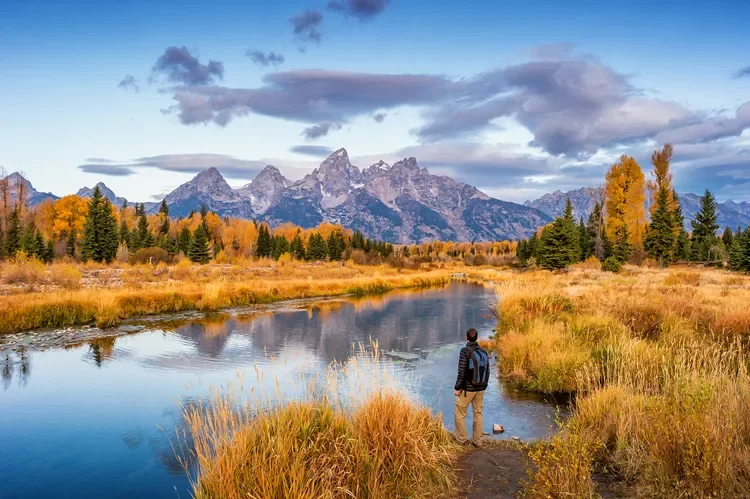 A hiker looking at the view from Schwabacher Landing in Grand Teton National Park, Wyoming. Credit: benedek/Getty Images
Managing the transition between lowland and alpine conditions
Despite the high ranking, hikers should note that the "18,000 miles" figure includes high-alpine routes that are typically inaccessible until mid-summer. In the spring, the primary utility for hikers is found in the Olympic Peninsula's temperate rainforests and the Columbia River Gorge.
The state's unique rain-shadow effect, particularly east of the Olympic Mountains and the Cascade Range, creates pockets of dry weather even during the Pacific Northwest's famously wet spring. This geographic quirk allows for "multi-season" hiking where visitors can choose between lush, moss-covered lowland trails or high-desert canyons depending on the week's weather patterns.
Practical considerations for spring visitors
For travelers planning to visit based on the new rankings, logistics vary by jurisdiction. Many of the state's most popular spring trails require specific permits, such as the Discover Pass for state lands or the Northwest Forest Pass for federal trailheads.
Because spring weather in the Pacific Northwest is volatile, local rangers emphasize that while the state may be the "best" for the season, it requires significant preparation for mud and rapid temperature shifts. The ranking serves as a testament to the state’s investment in trail maintenance and land conservation, which continues to sustain high volumes of foot traffic as outdoor recreation interest grows.
Comments (0)
Please login to comment
Sign in to share your thoughts and connect with the community
Loading...