
2026 US Family Travel Trends: Budget Strategies Amid Inflation


National Park Centennials Anchor 2026 Domestic Demand
The United States travel landscape in 2026 is dominated by a convergence of historic milestones, specifically the nation’s 250th anniversary and the landmark centennials of the Great Smoky Mountains National Park and Shenandoah National Park. These events are driving a 35% surge in searches for stays near protected wilderness areas. For international travelers, these destinations offer a high-value alternative to the price-bloated theme park sectors in Florida and California.
Budget-conscious families are increasingly bypassing the "Theme Park Capital" of Orlando where multi-day tickets for a family of four can now exceed $2,200 in favor of the Blue Ridge Parkway and Acadia National Park. These locations provide entry via a standard $35 weekly vehicle pass, a stark contrast to the rising cost of private attractions. The shift is not merely cultural; it is a mathematical response to a Travel Price Index (TPI) that has seen entertainment costs outpace general inflation by nearly 3%.
 Manito Park’s Japanese Garden offers families a relaxing outdoor escape at no cost.
The Bifurcated Economy: Hotels Drop as Airfare Climbs
A critical divergence in the U.S. Department of Labor data for March 2026 reveals a unique window for budget optimization. While airline fares have climbed 7.1% year-over-year fueled by fuel volatility and labor contract renewals lodging prices have actually declined by 2.2%. This creates a "stay longer, fly less" incentive for families who have traditionally opted for multiple short-duration trips.
Current market data indicates that the average domestic flight has reached $290 per person, while hotel rates have softened to an average of $259 per night. This pricing environment favors the "One Big Trip" philosophy, where families consolidate their annual travel budget into a single, extended stay to amortize the high cost of airfare over a longer period of reduced-rate accommodation.
 Families can visit Bicentennial Capitol Mall State Park at no cost while exploring downtown Nashville.
2026 Travel Cost Breakdown (March Data)
| Expense Category | YOY Change | 2026 Average Cost |
|---|---|---|
| Airlines | +7.1% | $290 (Domestic Round-trip) |
| Hotels & Motels | -2.2% | $259 (Per Night) |
| Dining Out | +3.9% | $58 (Per Person/Day) |
| National Parks | Stable | $35 (Weekly Vehicle Pass) |
| Rental Cars | +1.1% | $42 (Per Day) |
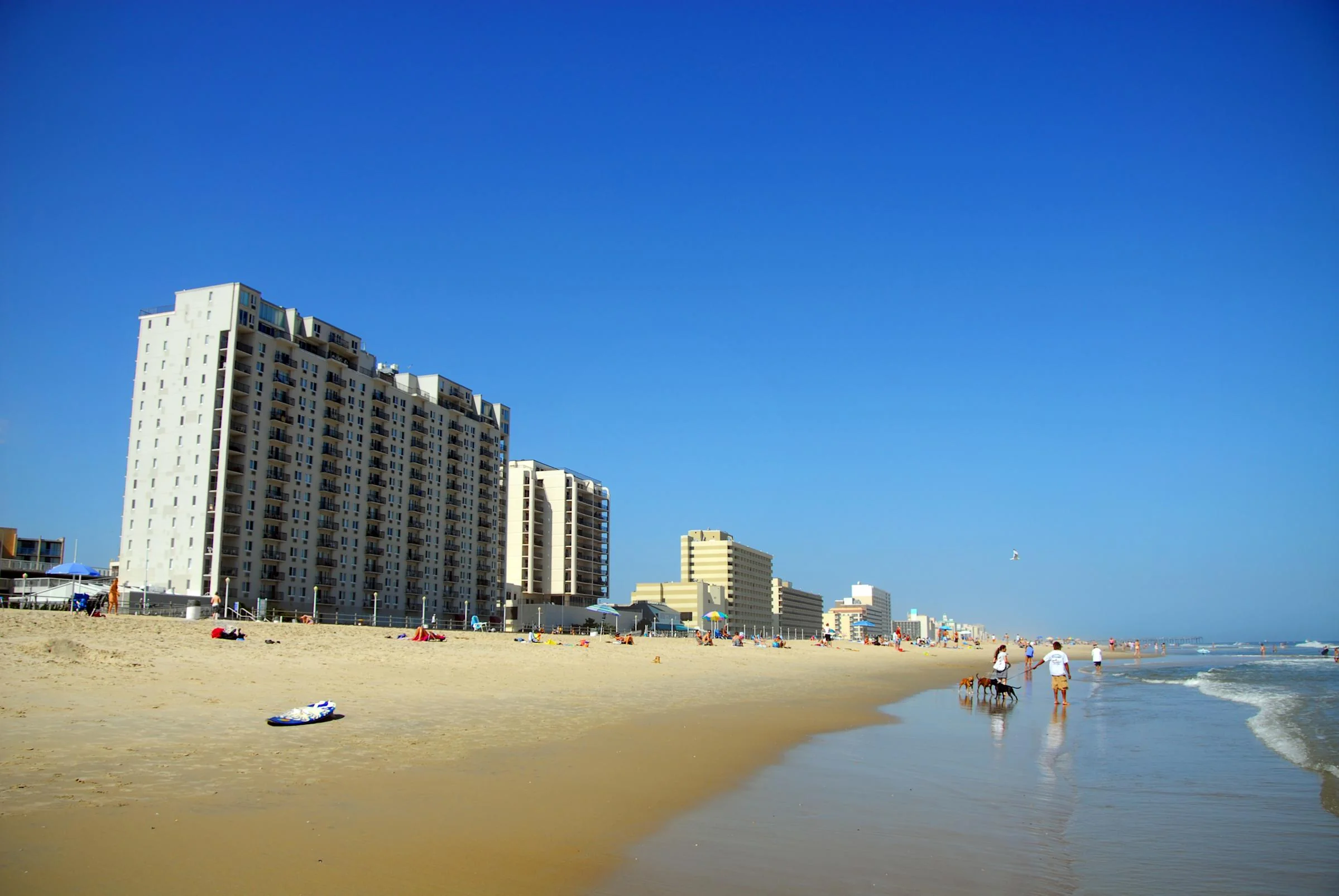 Virginia Beach offers miles of free public beaches and a range of oceanfront resorts at varying price points for families.
Hidden Implications: The Rise of "Skip-Gen" and Household Consolidation
Beyond surface-level destination picks, a deeper structural shift in the leisure sector is emerging: the "Skip-Gen" vacation. Nearly 30% of families are now opting to send children on vacations with grandparents alone. This is not just a bonding exercise but a strategic financial maneuver. By removing the middle generation (the high-earning, high-spending Gen X or Millennial parents) from the equation, families are leveraging the higher disposable income of the Silent Generation and older Boomers to maintain travel traditions without incurring debt.
Furthermore, the "Family 2.0" trend sees parents inviting adult children many of whom have returned to the family home due to housing costs on vacations as a form of subsidized leisure. Only 11% of adult children globally now cover the full cost of their travel. This consolidation of travel parties into larger, multi-generational groups is driving demand for connected hotel rooms and vacation rentals, which can offer up to a 20% saving per head compared to individual hotel bookings.
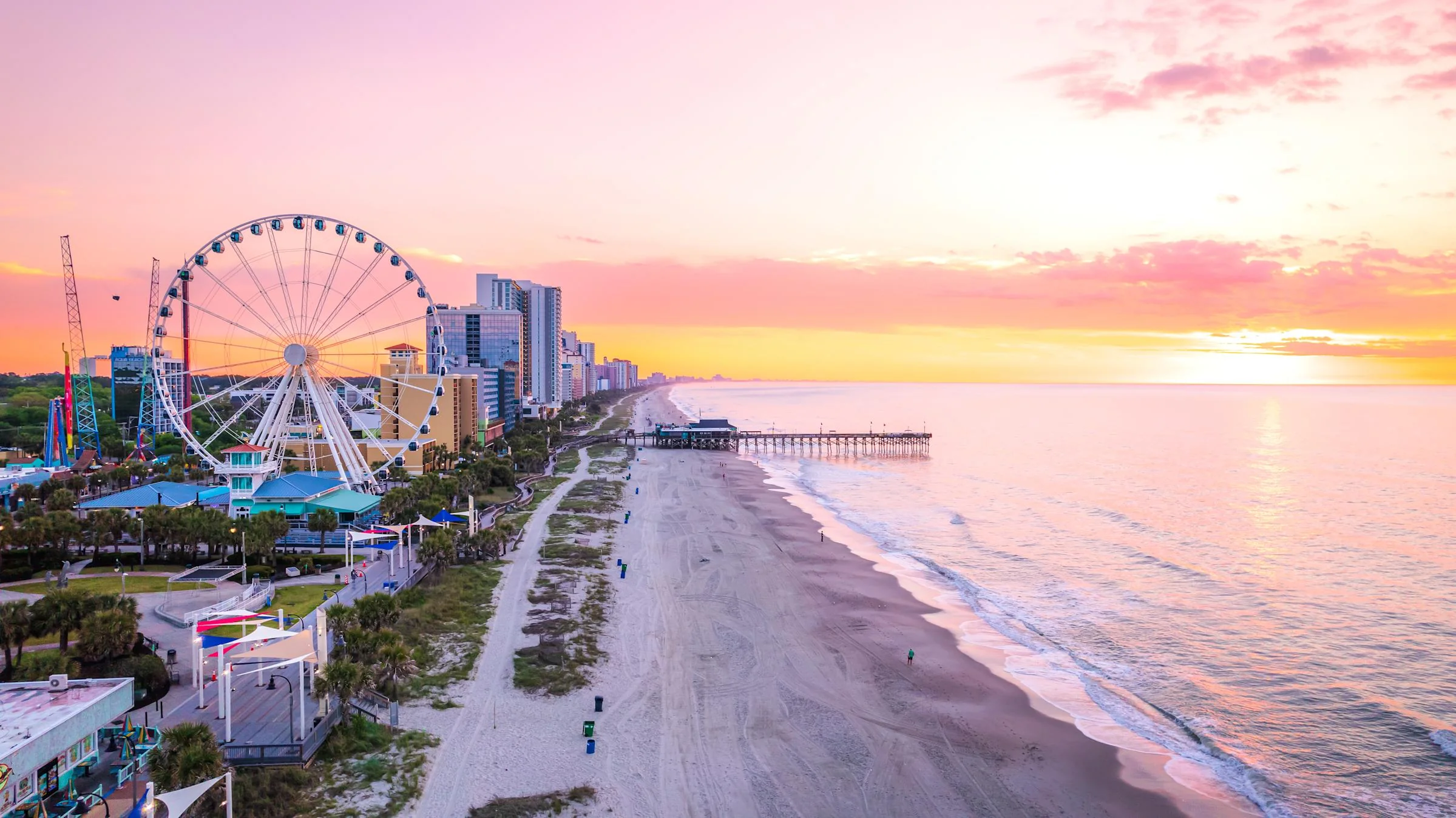 Myrtle Beach combines miles of free public shoreline with a lively boardwalk, making it easy for families to plan affordable beach days.
The Regional Pivot: From "Big Three" to Mid-Tier Gems
While the semiconductor industry hubs and tech centers continue to drive business travel, leisure families are diversifying away from the "Big Three" states of California, New York, and Florida. The secondary market is seeing a massive influx of interest as travelers seek "Information Gain" from their own vacations looking for sites that offer historical depth rather than just commercial entertainment.
-
Philadelphia, Pennsylvania: Leveraging the Semiquincentennial (250th anniversary) celebrations, the city offers high-density history (Independence Hall) with significantly lower ADR (Average Daily Rate) than New York City.
-
Colorado Springs, Colorado: Serving as a budget alternative to Denver, providing access to Garden of the Gods and the San Juan Mountains without the urban price premium.
-
Michigan’s Upper Peninsula: Emerging as a "Blue Health" escape, where the cost of living remains low enough to offset the national rise in food and beverage costs.
 Padre Island National Seashore is a great spot for families with kids of all ages, offering free beach access and outdoor activities.
Strategic Timing and the "Tuesday-Wednesday" Window
The 2026 travel season is punishing the "last-minute" procrastinator more than in previous years. Data from Skyscanner and Amex GBT suggest that the most significant savings are no longer found in "deal-hunting" but in "schedule-shifting." Families are increasingly willing to compromise on weather visiting the Gulf Coast during shoulder seasons or New England in the late spring to avoid the 15% peak-summer premium.
The logistical "sweet spot" for 2026 booking has narrowed to a 60-day window for domestic travel. Those booking midweek (departing Tuesday or Wednesday) are seeing fares up to 40% lower than those seeking Friday departures. This behavioral shift is being facilitated by the continued normalization of remote work, allowing parents to "work from the road" for the first two days of a trip to justify a longer, cheaper stay.
The structural consequence of these trends is a "cautious class" of travelers who, despite having high incomes, are now planning with the scrutiny of budget backpackers. As the year progresses, the primary risk remains the potential for airline consolidation, which could further erode competition and keep base fares high even if demand for mid-scale luxury plateaus.
Comments (0)
Please login to comment
Sign in to share your thoughts and connect with the community
Loading...