

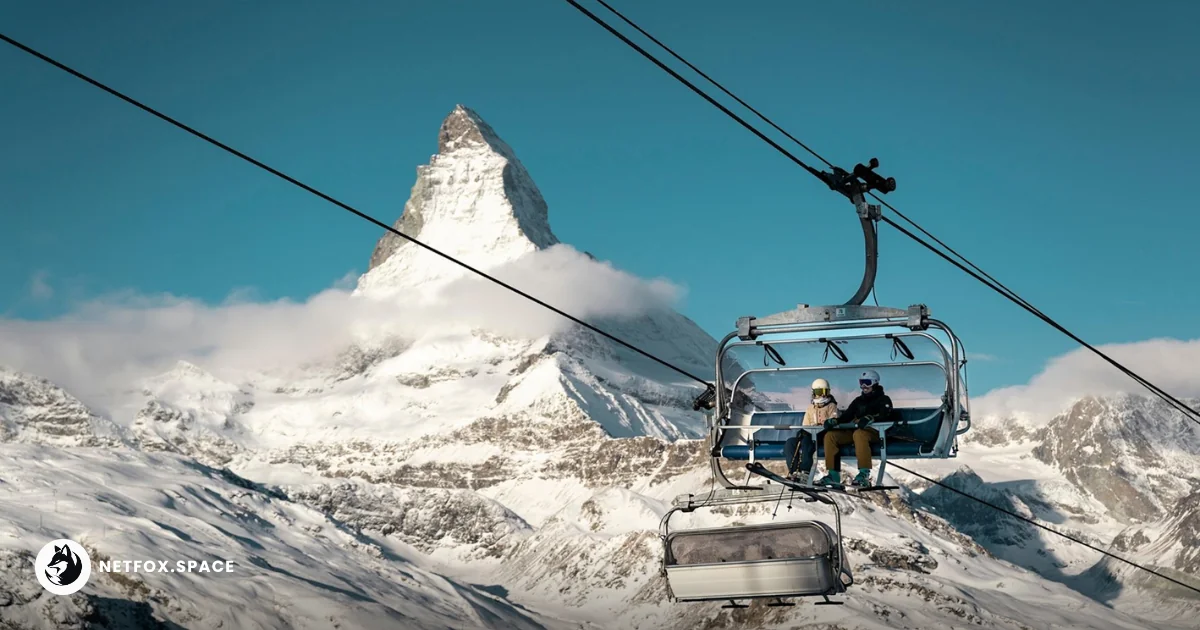
Zermatt remains one of the few global travel destinations where the absence of internal combustion engines is a matter of strict municipal law rather than a modern sustainability trend. Situated at 1,600 meters in the shadow of the Matterhorn, the village requires visitors to navigate a specific logistical chain involving mountain rail and electric transit.
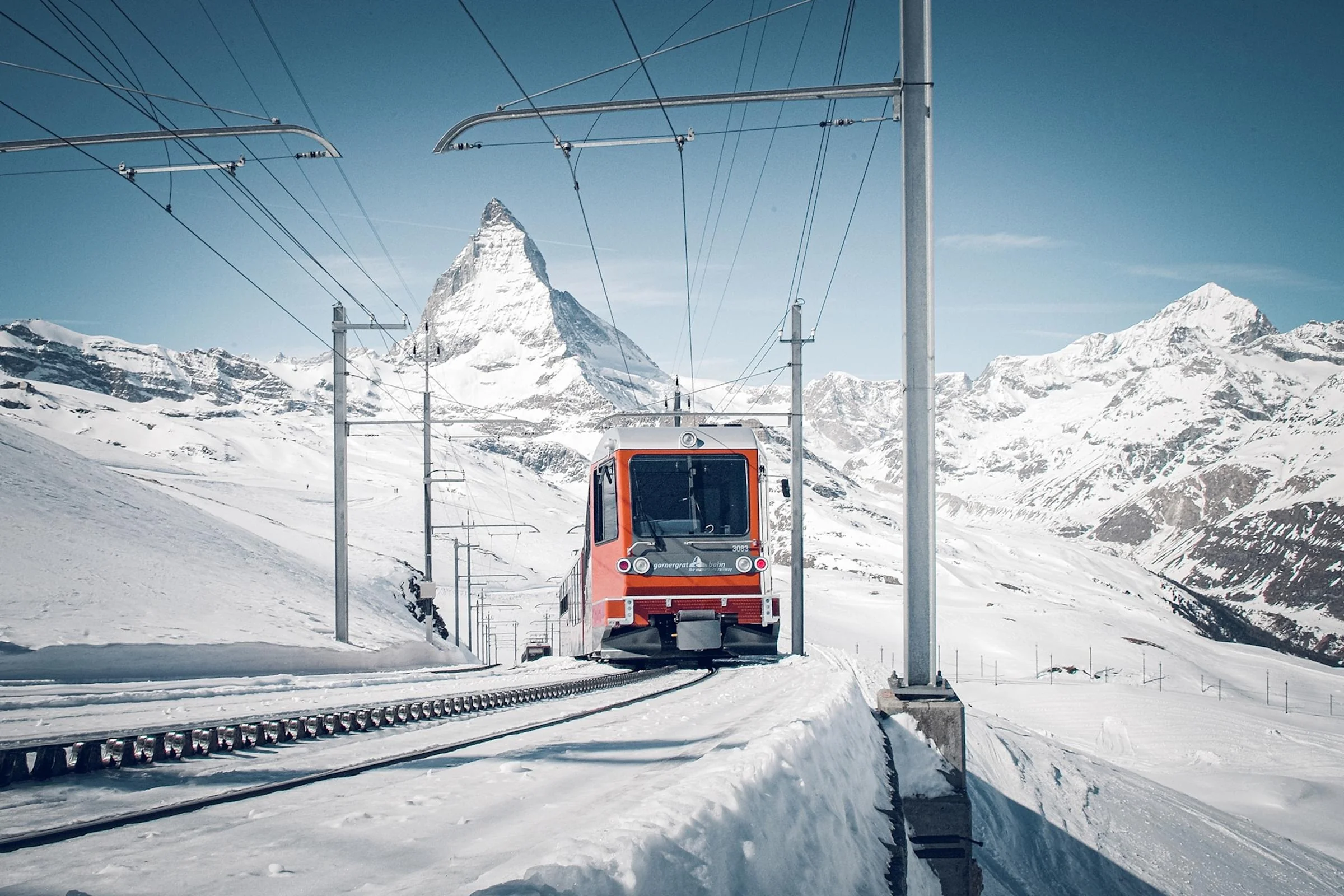 Gornergrat Railway leads directly to the Gornegrat Observatory at 3,089m, featuring plenty of Matterhorn vistas on the way. Kurt Müller
The Täsch Connection and the Car-Free Mandate
The most significant operational constraint for travelers is that Zermatt is not reachable by private vehicle. Drivers must leave their cars in the neighboring village of Täsch, which houses a massive parking facility designed specifically to feed the Zermatt shuttle. From Täsch, the Matterhorn Gotthard Bahn runs every 20 minutes, delivering passengers directly into the center of the resort.
While the village is marketed as "car-free," practitioners of the region note that it is not "vehicle-free." The narrow streets are populated by a high density of silent, fast-moving electric taxis and hotel shuttles. For pedestrians, this creates a unique safety dynamic where situational awareness is required to avoid the specialized local fleet that replaces traditional automobiles.
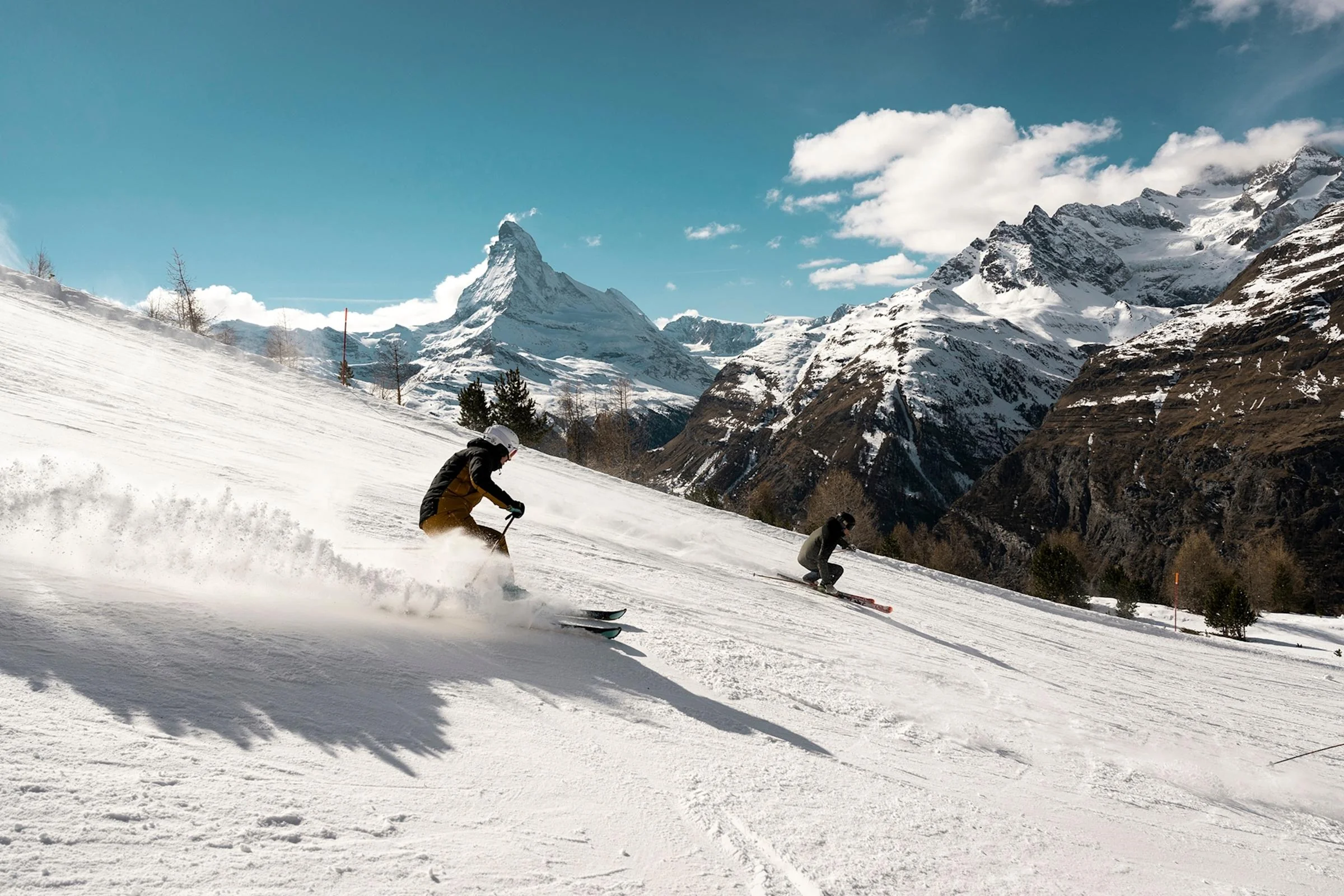 Zermatt’s Schusspiste and Theodulgletscher are long and wide enough to allow for lots of carving and sideslipping downhill. Nicole Schafer, Switzerland Tourism
Vertical Transit via Gornergrat and Sunnegga
Zermatt’s appeal is defined by its verticality, managed through three distinct mountain lift systems. The Gornergrat Railway, a rack railway opened in 1898, remains the primary method for reaching high-altitude viewpoints without professional climbing gear. It ascends to 3,089 meters, providing a constant perspective of the Matterhorn’s North Face.
For those seeking the "Five Lakes" hike or more immediate ski access, the Sunnegga funicular offers a subterranean route that cuts through the mountain rock. This system is often preferred by locals during high-wind scenarios that might ground traditional cable cars, such as those servicing the Matterhorn Glacier Paradise the highest cable car station in Europe at 3,883 meters.
Seasonal Constraints and Shoulder-Season Risks
Prospective visitors must account for the "Interseason" or shoulder periods, typically occurring in May and November. During these windows, Zermatt undergoes a significant operational shift. Many major cable cars, including sections of the Matterhorn Glacier Paradise route, may close for biannual maintenance.
Furthermore, a significant portion of the village’s restaurants and hotels close during these months to allow staff to reset between the winter ski and summer hiking seasons. While the village remains accessible, the utility of a visit is materially reduced for those interested in high-alpine activities or specific culinary experiences. Travelers should verify the maintenance schedule of the Zermatt Bergbahnen (mountain lifts) before booking during these transitional periods.
Strategic Orientation: Bahnhofstrasse to Hinterdorf
The layout of Zermatt is centered on the Bahnhofstrasse, the main commercial artery running from the train station. While this area contains the highest concentration of retail and dining, it also experiences the most significant tourist congestion.
To find the historical core of the village, visitors should navigate toward the Hinterdorf area. This district contains more than 30 traditional structures built from larch wood and supported by stone stilts designed historically to keep grain safe from rodents. This area provides a necessary counterpoint to the modern luxury development that dominates the resort's perimeter, offering a clear view of the architectural evolution required for survival in a high-altitude glacial valley.
Comments (0)
Please login to comment
Sign in to share your thoughts and connect with the community
Loading...