


Fayetteville, West Virginia, positioned on the rim of the New River Gorge, offers a specific logistical advantage for spring travelers seeking high-density access to Appalachian wildflower blooms and peak-flow waterfalls. As the gateway to the nation's newest national park, the town transitions from a winter base for extreme sports into a specialized destination for botanical observation and temperate hiking.
 Scenic view of New River Gorge National Park. Credit: Jordan Charbonneau/Travel + Leisure
New River Gorge serves as a high-biodiversity corridor
The primary draw for spring visitors is the New River Gorge National Park and Preserve, which encompasses over 70,000 acres of protected land. Unlike many plateau-based parks, the Gorge’s dramatic elevation change creates varied microclimates, allowing for a staggered and prolonged blooming season.
Travelers typically find bloodroot, trout lily, and trillium appearing in the lower elevations of the canyon first, with blooms migrating upward toward the Fayetteville rim as the season progresses. This biological diversity is celebrated annually during the Spring Wildflower Pilgrimage, a series of guided events that utilize Fayetteville’s proximity to key trailheads to document the year's specific bloom timing.
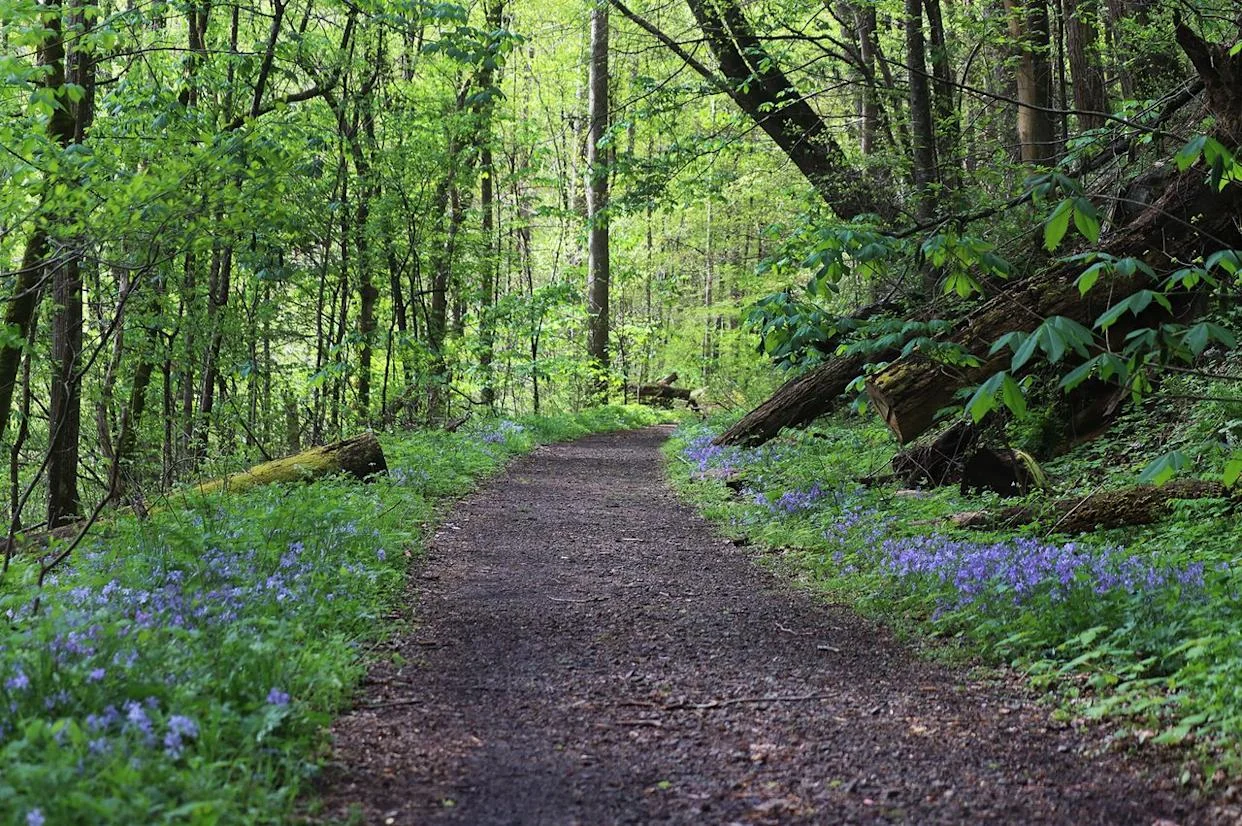 Wildflowers lining a hiking trail. Credit: Jordan Charbonneau/Travel + Leisure
Strategic trail selection for waterfall and bloom density
For visitors with limited time, Fayetteville provides immediate access to trails that combine hydraulic features with botanical interest. The Long Point Trail is frequently cited for its panoramic views of the New River Gorge Bridge, but during the spring months, its understory becomes a primary site for spring ephemeral sightings.
For those prioritizing waterfalls, the nearby Fern Creek and Wolf Creek trails offer the highest "flow-to-effort" ratio. Spring snowmelt and increased precipitation ensure that these falls, which can dwindle to trickles in late summer, reach their maximum aesthetic volume between late March and early May.
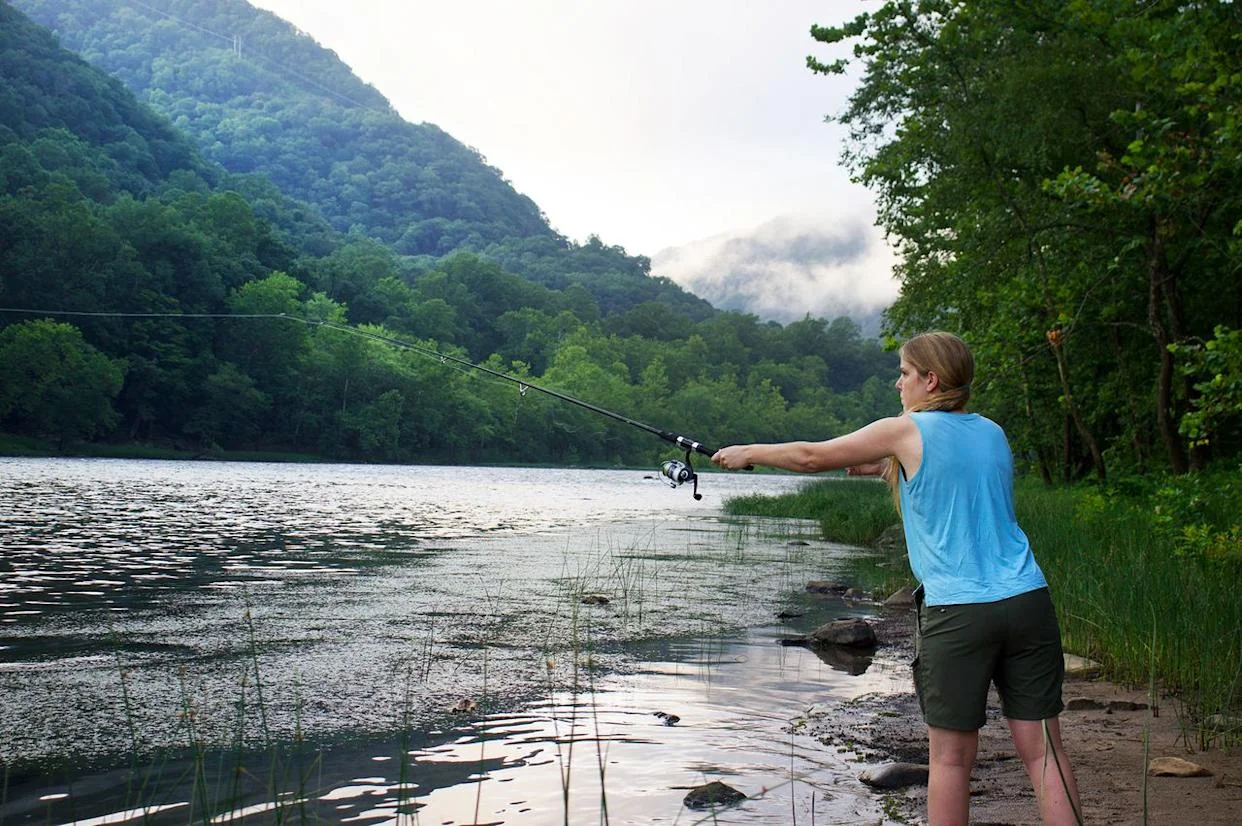 A woman fishing in the New River. Credit: Jordan Charbonneau/Travel + Leisure
Operational considerations for the spring shoulder season
While Fayetteville is a year-round community, its travel infrastructure scales up significantly in the spring. The town's historic district, characterized by independent shops and local eateries, acts as a necessary support system for the park’s rugged terrain.
Prospective visitors should note that while spring offers the best visual conditions for waterfalls and flora, it also brings unpredictable weather patterns typical of the Allegheny Mountains. Successful trips often require "layering" itineraries pairing exposed ridge hikes like Endless Wall with more sheltered, canopy-covered gorge-bottom trails to account for wind and temperature fluctuations at different elevations.
Comments (0)
Please login to comment
Sign in to share your thoughts and connect with the community
Loading...