

The Multi-Layered Heritage of the Nation’s Oldest City
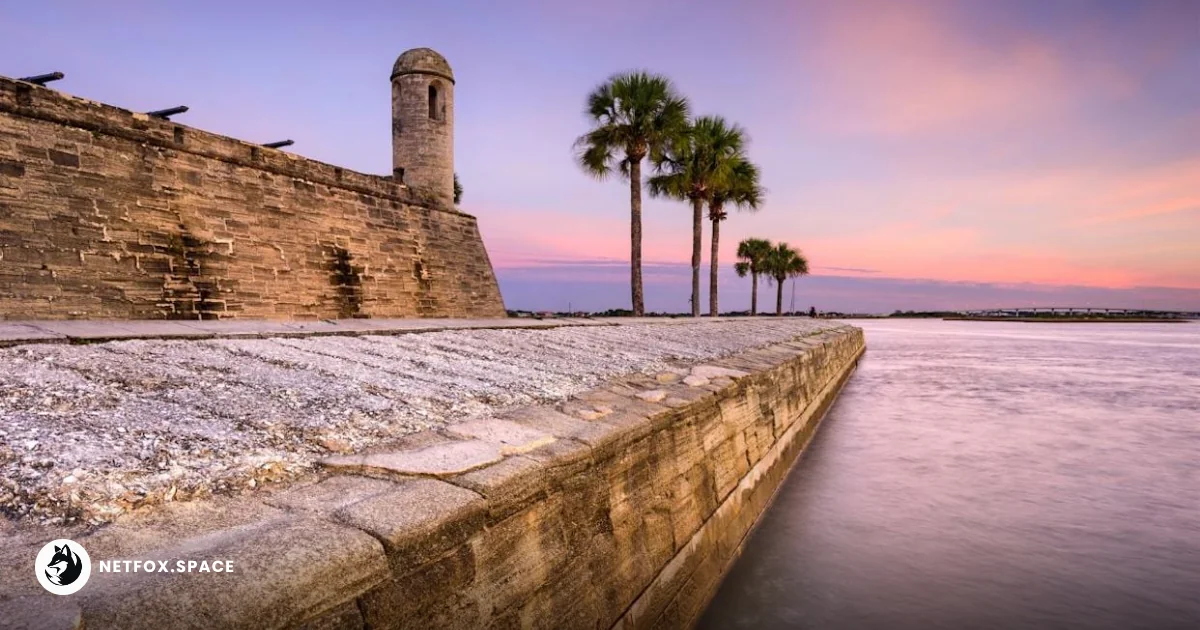
Founded in 1565 by Spanish admiral Pedro Menéndez de Avilés, St. Augustine serves as the primary longitudinal record of European settlement in the North American tourism sector. The city is defined by its unique "coquina" architecture a rare limestone composed of mollusk shells which provided the structural defense for the Castillo de San Marcos National Monument.
Unlike modern coastal developments, the city's layout retains the 16th-century Spanish colonial grid system. This urban design creates a high-density pedestrian environment centered around the St. George Street corridor, necessitating a specialized approach to historic preservation and crowd management that differs significantly from Florida's theme-park-driven markets.
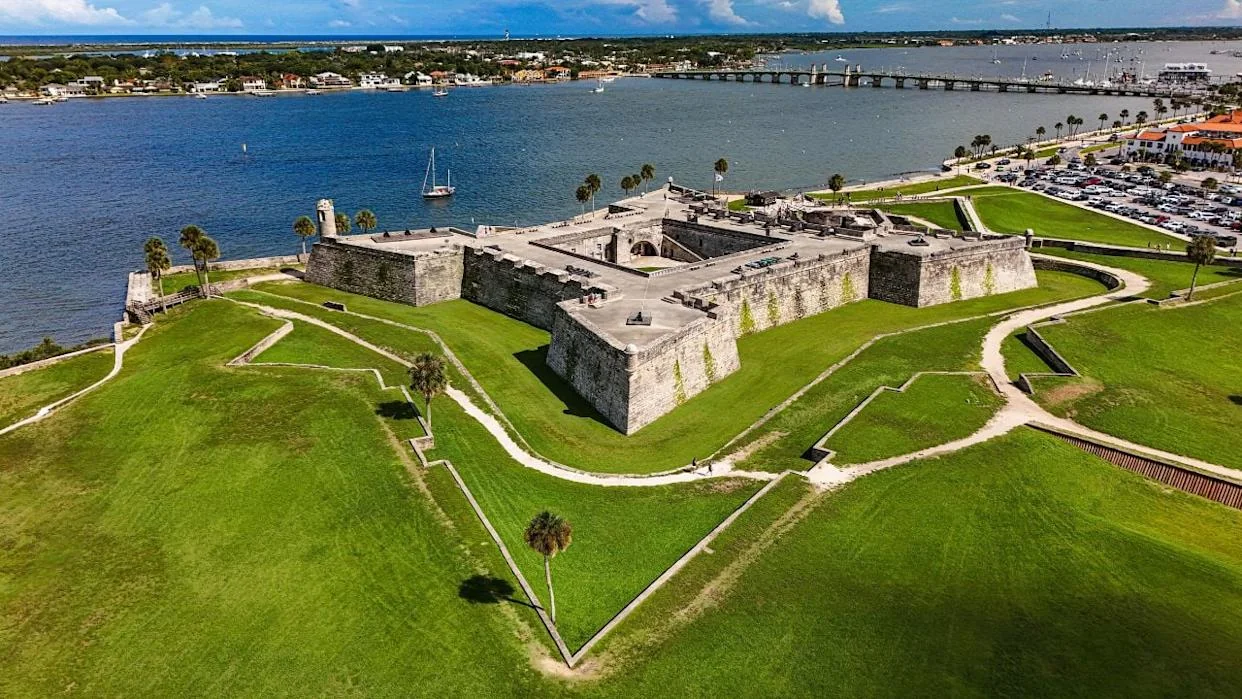 Image Credit: Shutterstock.
Immediate Socio-Economic Impacts of the Heritage Economy
The local economy is heavily indexed to "heritage tourism," where the value is derived from the authenticity of the Colonial Quarter and the Lightner Museum. This sector generates significant revenue but places immense physical stress on the Historic District’s limestone foundations and narrow thoroughfares.
Recent data indicates that the influx of international travelers seeking "old-world" aesthetics has shifted the commercial mix. While traditional sites like the St. Augustine Lighthouse & Maritime Museum remain anchors, the surrounding infrastructure is undergoing a transition to accommodate upscale hospitality, often clashing with strict local zoning laws designed to protect the skyline.
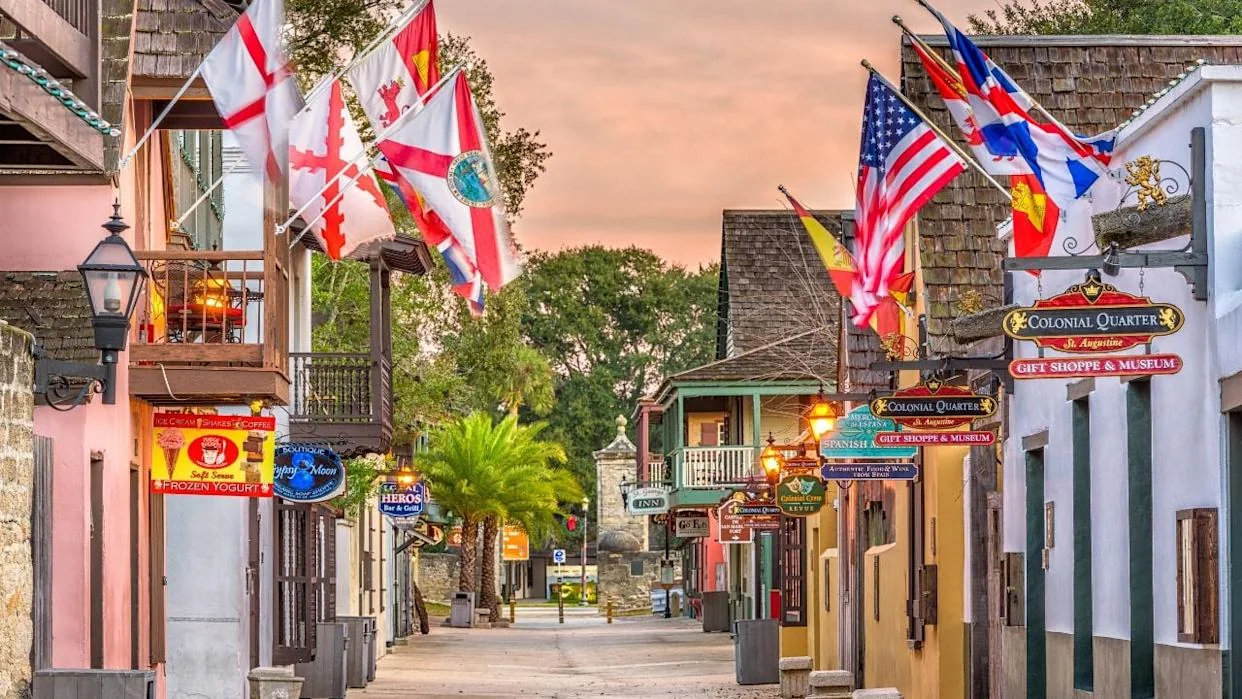 Image Credit: Shutterstock.
The Coquina Paradox: Structural Vulnerability vs. Historical Value
The most significant factor overlooked by general travel guides is the specific degradation risk of coquina structures in a changing climate. While the Castillo de San Marcos survived centuries of cannon fire due to the porous nature of the shell-stone, it is uniquely susceptible to modern environmental stressors.
| Structure Component | Material Type | Primary Risk Factor | Preservation Status |
|---|---|---|---|
| Fortification Walls | Coquina | Salt-spray erosion | High-intervention |
| Gilded Age Hotels | Poured Concrete | Rebar oxidation | Renovated/Active |
| Residential District | Wood/Tabby | Rising water tables | At-risk/Protected |
This "Coquina Paradox" means that the very material that makes St. Augustine a global destination is the most difficult to maintain under modern environmental loads. Preservationists are now forced to choose between original material integrity and the installation of non-native reinforcements to combat increased moisture levels.
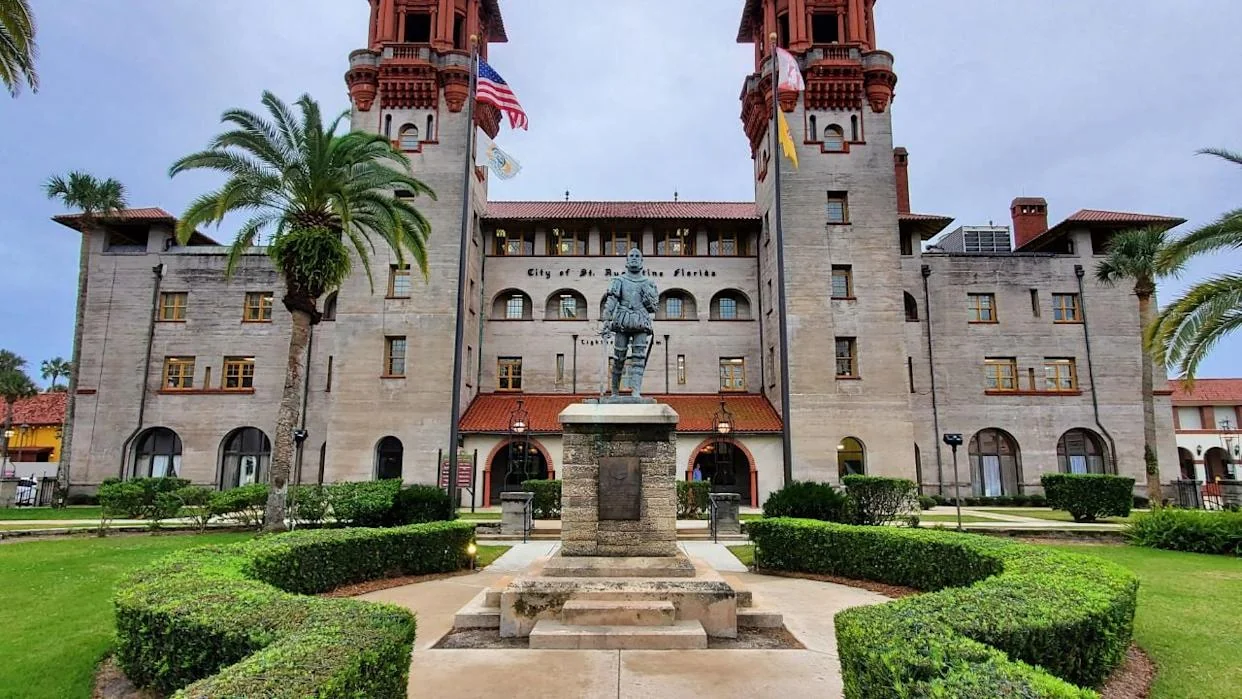 Image Credit: Shutterstock.
Systemic Shifts in the North Florida Tourism Corridor
St. Augustine acts as a critical stabilizer for the Florida Department of Economic Opportunity by providing a counter-cyclical tourism draw. While Orlando’s theme parks are sensitive to shifts in disposable income, St. Augustine’s educational and historical appeal often attracts a more resilient, higher-age-demographic traveler.
However, the city is currently navigating a systemic shift toward "experiential luxury." The conversion of historic landmarks into boutique properties, such as the Casa Monica Resort & Spa, signals a departure from middle-market family day trips toward extended-stay international visitation. This transition is recalibrating the local labor market, placing higher demand on specialized hospitality and curatorial expertise.
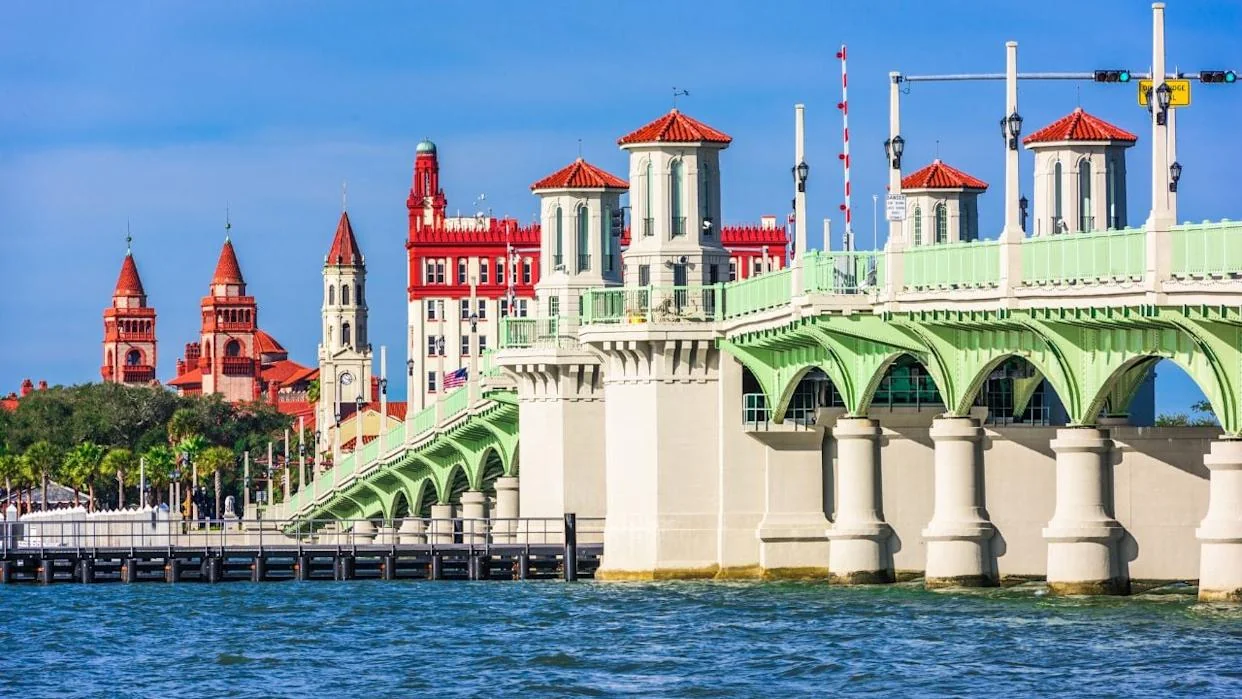 Image Credit: Shutterstock.
Future Projections for Urban Preservation
The next decade for St. Augustine will be defined by its ability to integrate a 450-year-old footprint with 21st-century sea-level mitigation. The City of St. Augustine government faces a looming fiscal challenge: funding massive subterranean drainage and sea-wall projects without compromising the aesthetic integrity that justifies its status as a premier global destination.
Regulatory tension is expected to increase between the Historic Preservation Board and developers seeking to modernize the waterfront. The outcome of these structural debates will determine whether the city remains a functional historic site or evolves into a curated, artificial museum-environment.
Comments (0)
Please login to comment
Sign in to share your thoughts and connect with the community
Loading...