

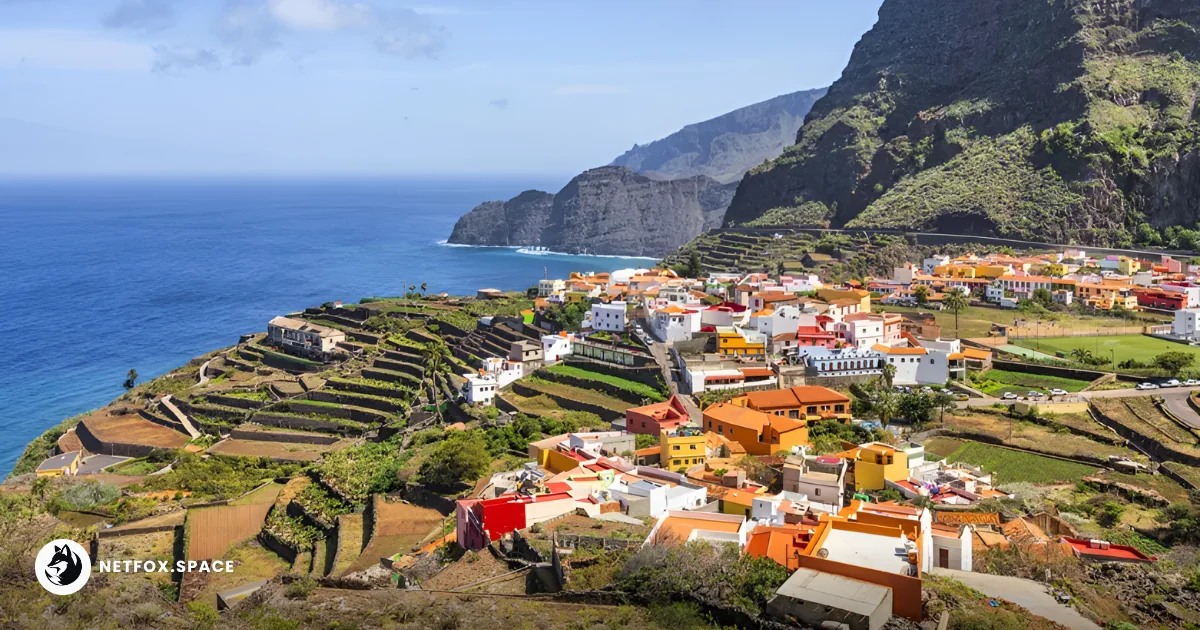
The Canary Islands are increasingly characterized by a tension between record-breaking visitor numbers and the physical limits of their volcanic geography. For travelers planning trips in 2026, the primary concerns shift from simple logistics to rising costs and a shifting social climate regarding international visitors.
Rising social friction and the impact of overtourism protests
Large-scale demonstrations across islands like Tenerife and Gran Canaria have signaled a significant shift in local sentiment. Residents are increasingly vocal about the impact of mass tourism on housing affordability and the degradation of local culture. For the 2026 traveler, this translates into more than just visible protest signs; it may result in restricted access to certain residential areas or a less welcoming atmosphere in non-resort zones.
These protests are not merely aesthetic. They reflect a growing demand for a "tourist moratorium," which could lead to stricter regulations on short-term rentals. Travelers relying on platforms like Airbnb may find significantly reduced inventory or higher prices as local authorities move to reclaim housing for permanent residents, a trend already observed in recent reporting on the region’s social shifts.
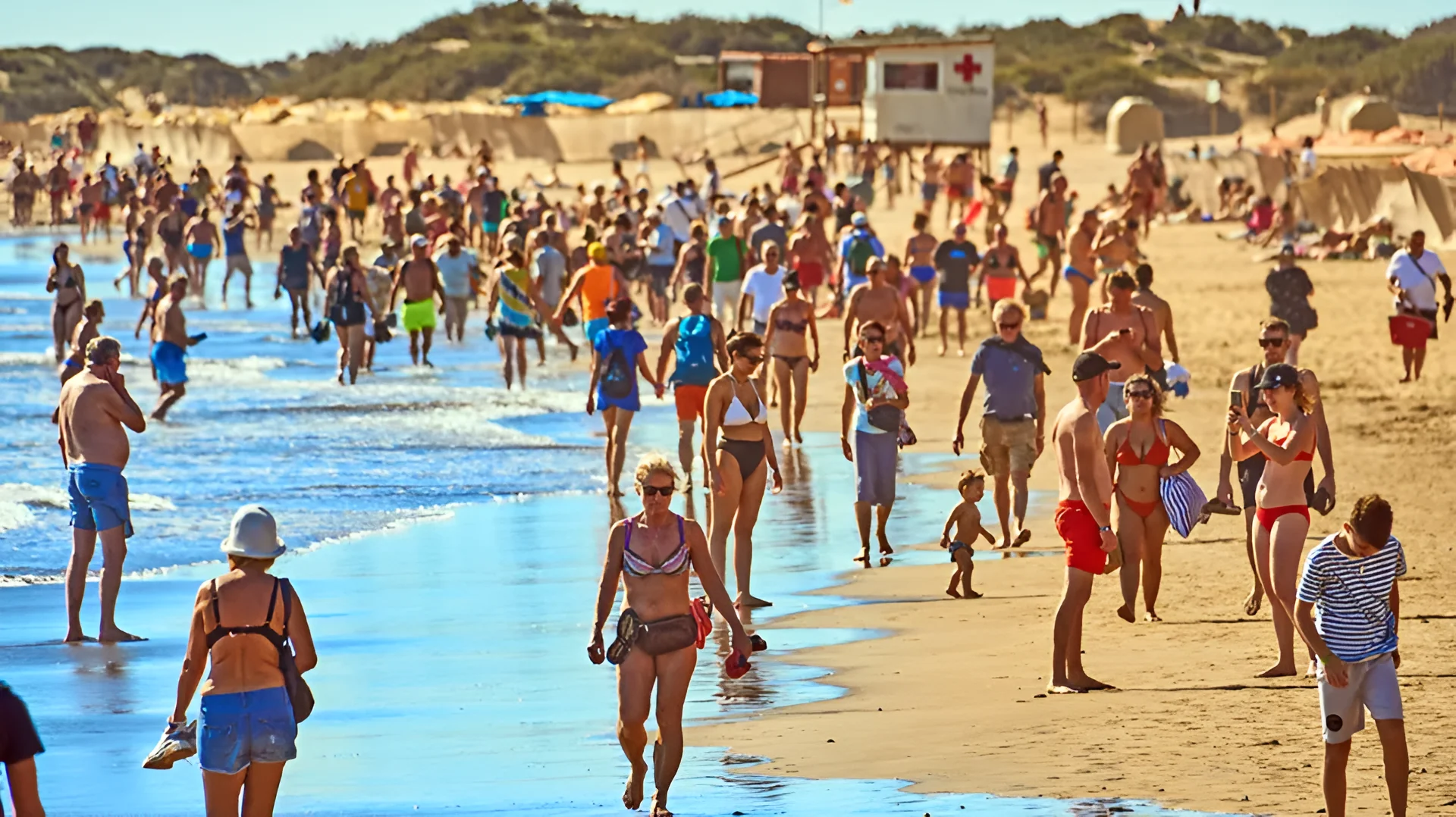 Crowds of holidaymakers on a resort beach in the Canary Islands - Thomas Demarczyk/Getty Images
Critical infrastructure strain and environmental limits
The physical infrastructure of the archipelago ranging from sewage systems to fresh water supply is struggling to keep pace with the influx of millions of tourists. In 2026, visitors may face more frequent service interruptions or water usage restrictions, particularly in the drier southern parts of Lanzarote and Tenerife. These resource constraints are exacerbated by the islands' isolated power grids and limited natural water sources.
Reports indicate that the sheer volume of visitors has led to concerns over sewage treatment and environmental preservation, particularly in sensitive coastal ecosystems. Travelers should expect more rigorous enforcement of rules regarding protected natural parks and potential daily caps on visitors to popular sites like Mount Teide, necessitating much earlier booking windows than in previous years.
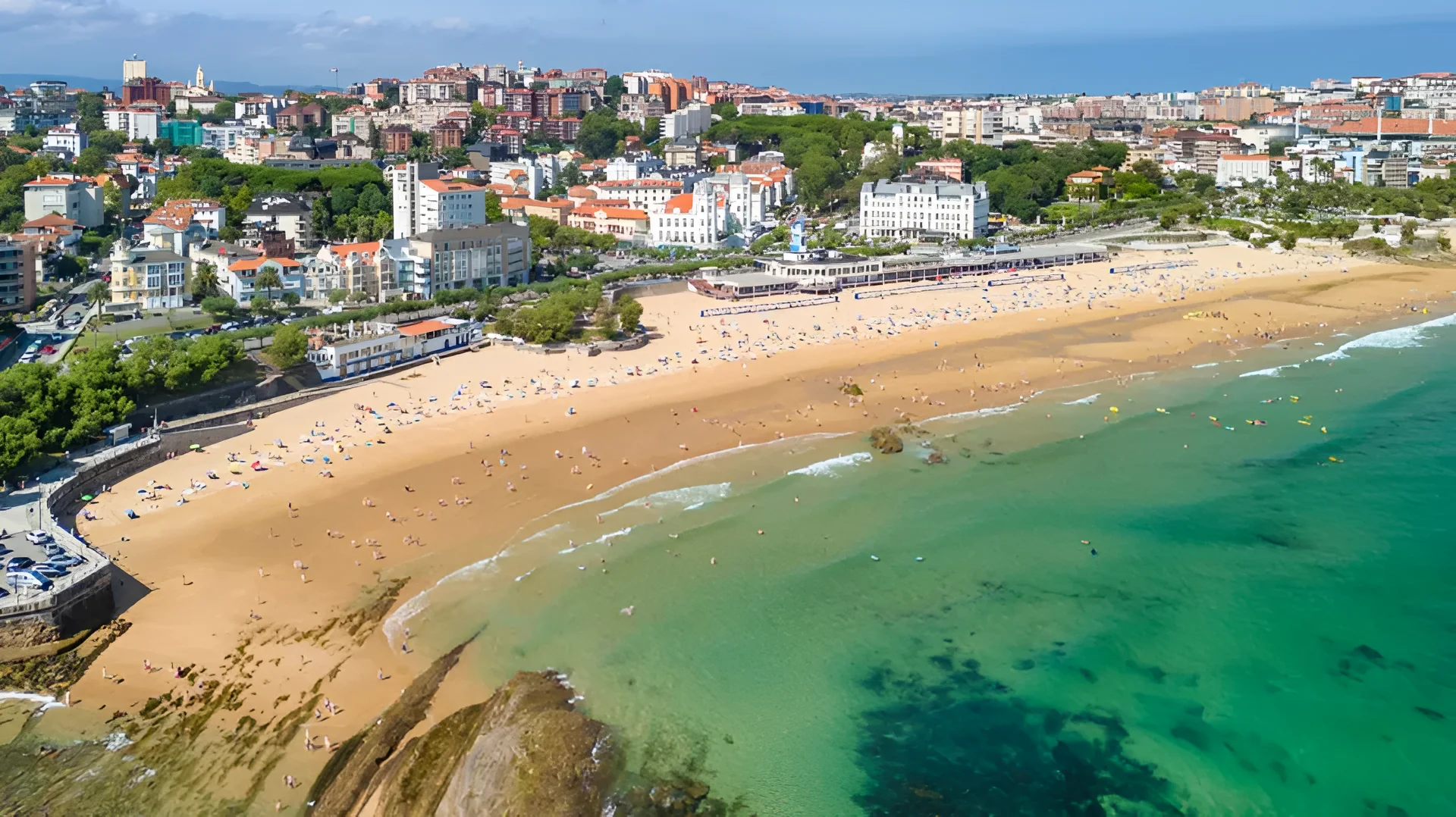 A beach town in Northern Spain - Mazur Travel/Shutterstock
New financial costs and the implementation of tourist taxes
To mitigate these infrastructure costs, the Canary Islands government is moving toward a more expensive tourism model. By 2026, several measures are expected to be fully operational, including the introduction of a daily tourist tax. While specific rates vary by island and accommodation type, this tax is designed to fund environmental restoration and infrastructure upgrades.
This financial shift marks a transition from the "low-cost" reputation the islands once held to a more premium, regulated model. Travelers will need to account for added daily fees and higher service costs that were not present in earlier years. When combined with the rising cost of flights and sustainable fuel mandates in the EU, the total cost of a Canary Islands vacation in 2026 is projected to be materially higher than at any point in the last decade.
Comments (0)
Please login to comment
Sign in to share your thoughts and connect with the community
Loading...