

Navigating 2026 Caribbean Travel: A Guide to US State Department Safety Advisories
The US State Department has updated its guidance for Caribbean destinations in 2026, emphasizing that travelers must distinguish between general country-level risks and specific neighborhood-level dangers. While many islands remain at Level 1, popular hubs like Jamaica and the Bahamas carry higher advisory levels due to localized crime and infrastructure limitations.
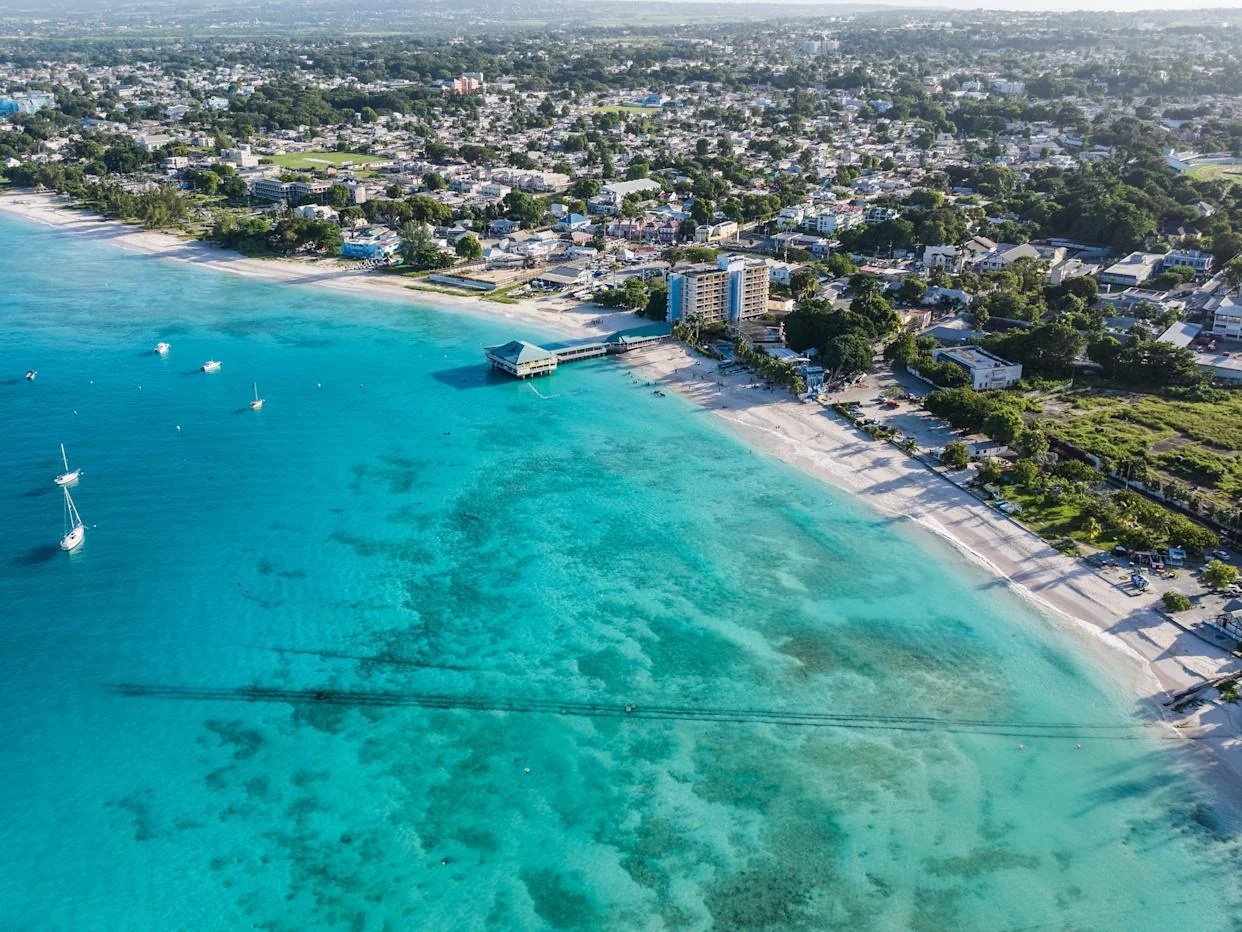 Some crimes of opportunity, like pickpocketing, occur in Barbados.Mario Hagen/Shutterstock
Deciphering the 2026 Level 2 and Level 3 Designations
The State Department utilizes a four-tier system to communicate risk, and for 2026, several Caribbean staples remain under heightened scrutiny. A Level 2 "Exercise Increased Caution" advisory, currently applied to the Bahamas, suggests that while the destination is generally open, specific threats like gang-related violence in non-tourist areas of Nassau require vigilance.
Jamaica remains at a Level 3 "Reconsider Travel" status, a designation that often triggers concern for vacationers. However, a closer look at the specific safety data reveals that the advisory is heavily weighted by high homicide rates in areas rarely frequented by tourists. For travelers, the operational takeaway is not necessarily to cancel trips, but to restrict movement to "all-inclusive" perimeters and vetted transportation corridors, as the State Department notes that local police often lack the resources to respond effectively to serious crimes.
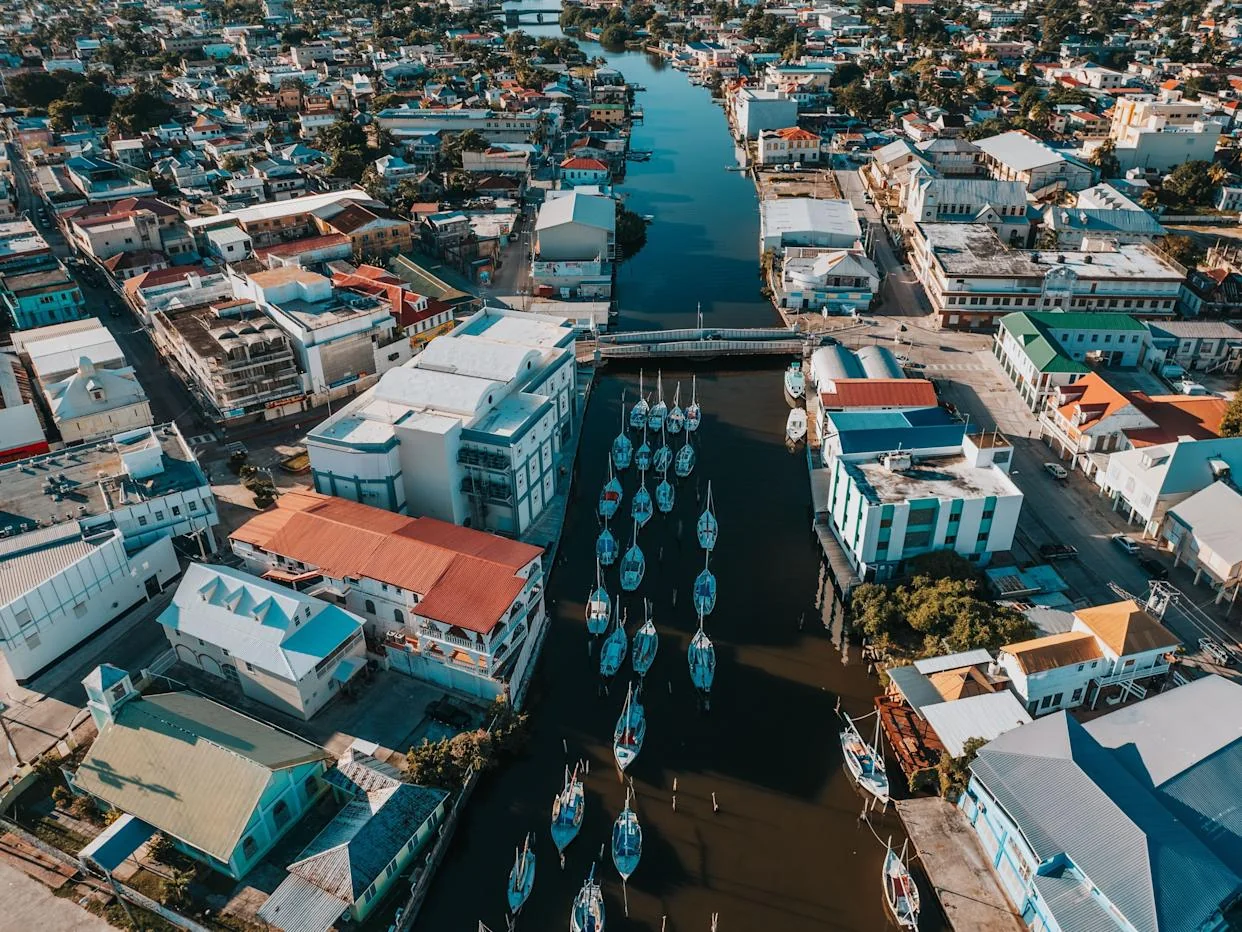 The State Department advises increased caution in Belize.Wirestock Creators/Shutterstock
Infrastructure Gaps and Medical Evacuation Constraints
Beyond the headlines of violent crime, the 2026 advisories highlight a more practical risk for travelers: varying levels of medical infrastructure. In many Caribbean nations, private clinics are the only reliable option for non-residents, and these facilities often require immediate payment in cash or proof of insurance before providing treatment.
The State Department specifically warns that US medical insurance is rarely accepted abroad, and Medicare does not provide coverage outside the United States. For travelers heading to Level 3 zones or remote islands, the lack of Level 1 trauma centers means that a serious injury may necessitate a medical evacuation flight to Florida, which can cost upwards of $50,000. This makes the acquisition of supplemental travel insurance with evacuation coverage a logistical necessity rather than a mere recommendation.
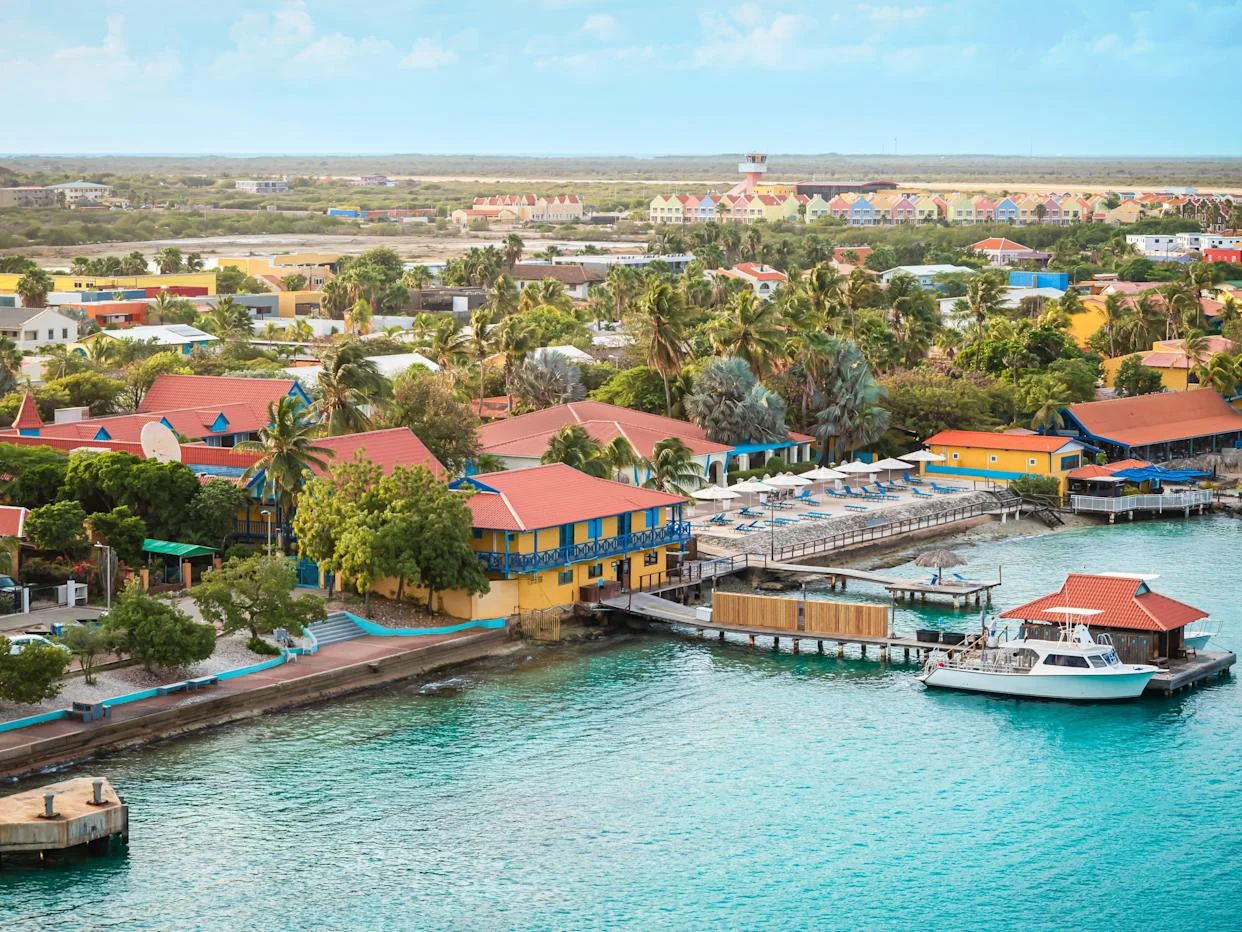 Nancy Pauwels/Shutterstock
Localized Environmental and Water Safety Risks
Safety in the Caribbean also encompasses environmental factors that are often overlooked in favor of crime statistics. The State Department has increased its focus on water safety and rip currents, noting that many popular beaches do not have lifeguards or clear warning flags.
Furthermore, road conditions and public transportation present a consistent physical risk. In destinations like the Dominican Republic, the advisory points to high traffic fatality rates and poorly maintained infrastructure as primary concerns for those considering car rentals. Travelers are encouraged to utilize regulated "Turismo" taxis or hotel-sanctioned shuttles rather than flagging down independent drivers, as these regulated services provide a layer of accountability and vehicle safety standards that are not guaranteed in the broader market.
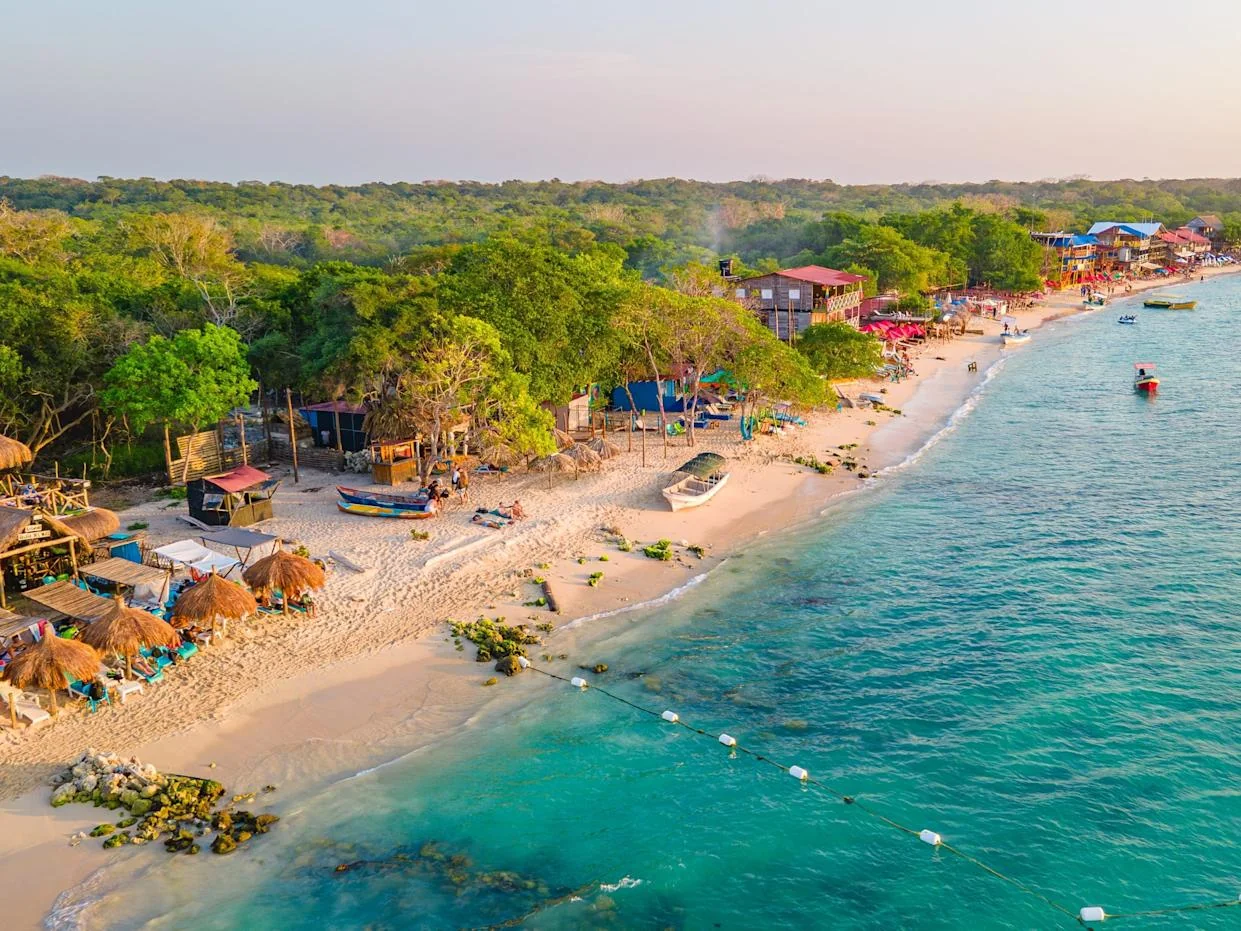 The US advises travelers to reconsider travel to Colombia due to crime, terrorism, unrest, and kidnapping.Jhampier Giron M/Shutterstock
Proactive Verification for 2026 Travelers
The most effective tool for any 2026 traveler is the Smart Traveler Enrollment Program (STEP). By registering travel plans with the local embassy, US citizens receive real-time alerts regarding localized demonstrations, weather events, or shifts in the security landscape.
Before departure, travelers should verify the specific "D" (Crime), "K" (Kidnapping), and "H" (Health) indicators attached to their destination's advisory. These tags provide a more granular understanding of why a level was assigned. For instance, a Level 2 rating triggered by "Health" infrastructure requires a different preparation strategy such as packing an extensive first-aid kit than a Level 2 triggered by "Crime," which necessitates stricter nighttime curfews and digital security measures.
 Solarisys/Shutterstock
Comments (0)
Please login to comment
Sign in to share your thoughts and connect with the community
Loading...