
Northern Europe Dominates Quality of Life Indexes
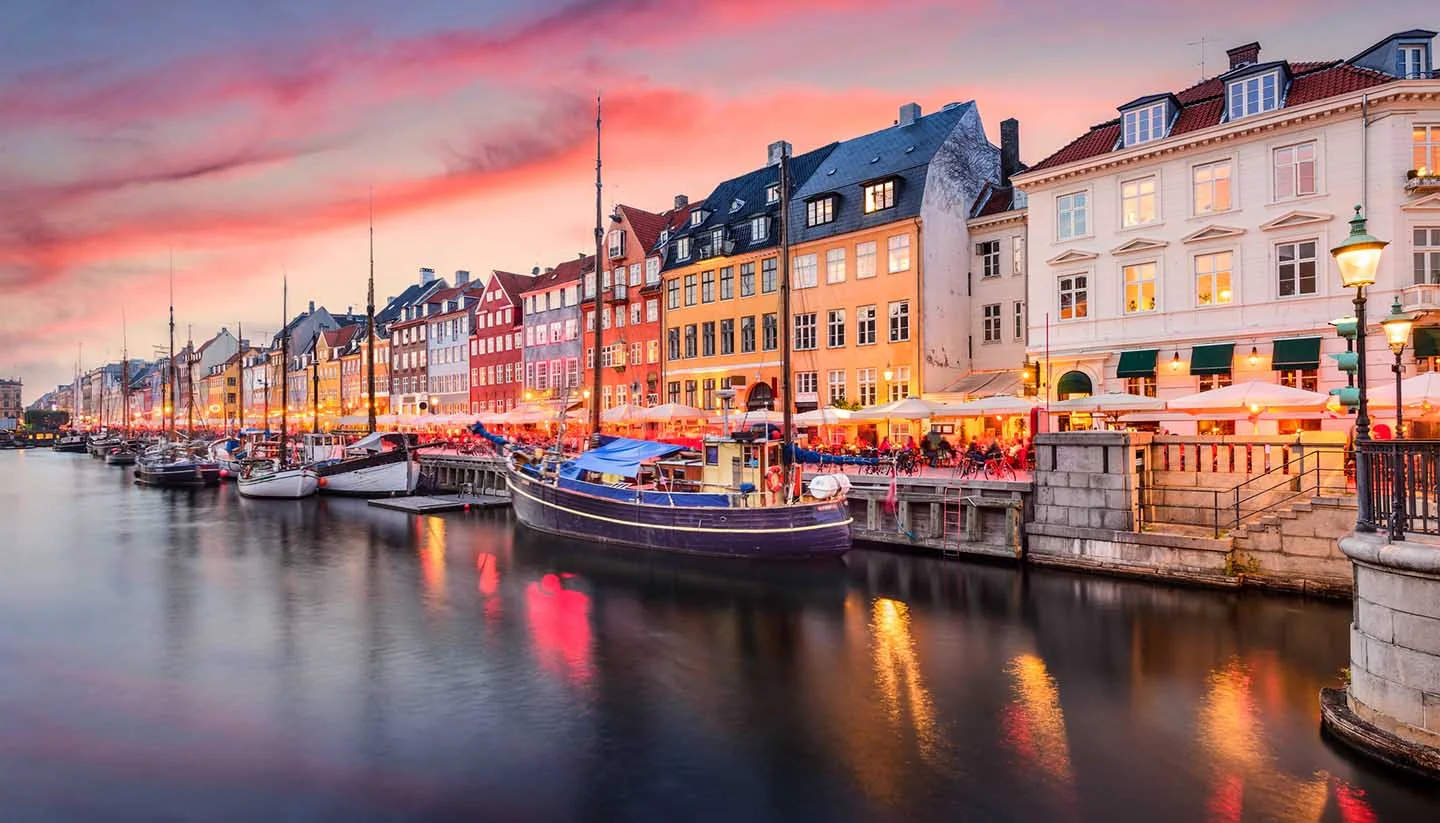
Denmark, Norway, and Sweden consistently secure the highest positions in global assessments for family welfare. These rankings evaluate specific metrics including public education quality, safety, and the affordability of healthcare services. Denmark currently holds the top spot, largely due to its robust social safety net and emphasis on work-life balance.
Norway and Sweden follow closely, distinguished by generous parental leave policies that allow both parents significant time off with pay. These structural supports are cited by researchers as primary drivers for high levels of child well-being and maternal health. For travelers considering a move or long-term stay, these regions offer a blueprint for social stability.
 Spain
Spain
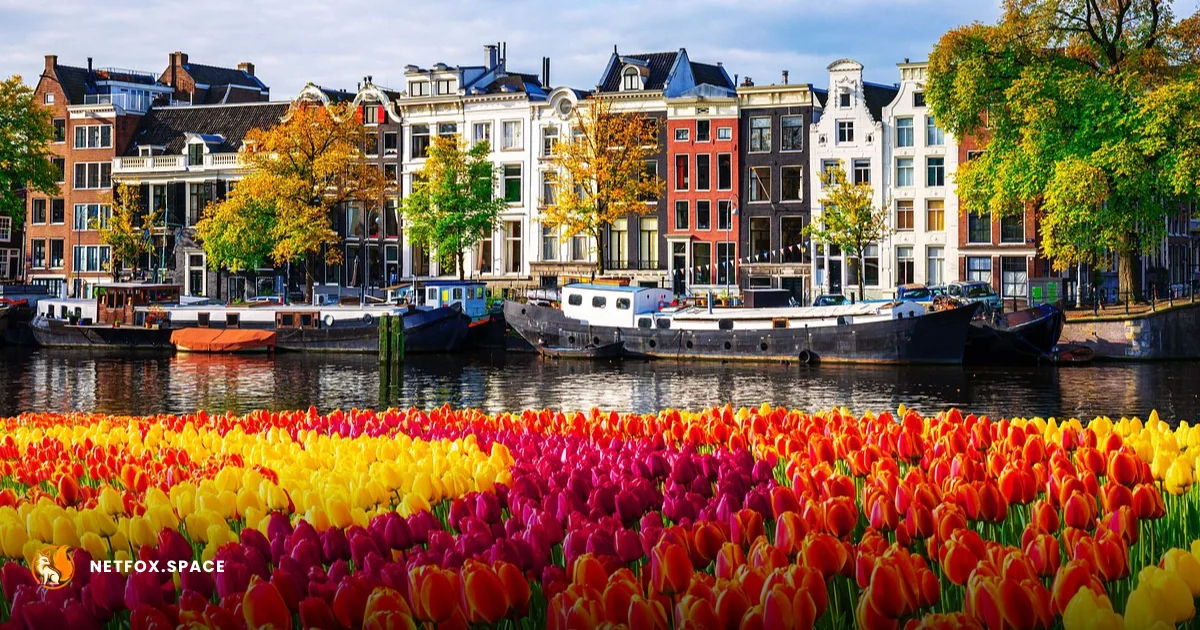
Switzerland and Netherlands Lead in Education and Safety
Beyond Scandinavia, Switzerland and the Netherlands emerge as premier destinations for expatriates and local families alike. Switzerland is frequently recognized for its elite linguistic diversity and high-tier secondary education systems. Although the cost of living remains among the highest globally, the country's economic stability provides a predictable environment for long-term planning.
The Netherlands earns its ranking through a combination of high safety ratings and a "child-centric" cultural approach. Dutch children are statistically among the happiest in the world, benefiting from high-quality outdoor spaces and independent transport infrastructure. This focus on environment-based development is a key factor for families prioritizing mental health and physical activity.
 Denmark
Evaluating Financial and Social Infrastructure
The ranking of these seven nations relies heavily on the "purchasing power" of the average household and the accessibility of essential services. Countries like Canada and Finland round out the top tier by offering high-quality public services that reduce the financial burden on individual parents. Finland, in particular, remains a global leader in pedagogical innovation and student outcomes.
| Country | Primary Strength | Key Policy Feature |
|---|---|---|
| Denmark | Social Equality | Universal healthcare and subsidized childcare |
| Norway | Parental Support | 49 weeks of parental leave at 100% pay |
| Sweden | Environmental Quality | Extensive public parks and clean energy |
| Switzerland | Economic Stability | High median income and safety |
| Netherlands | Child Happiness | Excellent cycling infrastructure and autonomy |
| Canada | Diversity & Inclusion | Multiculturalism and strong public schools |
| Finland | Education System | No tuition fees from primary to university |
 France
Global Shifts in Family Relocation Trends
As remote work becomes a permanent fixture for the international workforce, families are increasingly looking beyond traditional hubs. Many are seeking environments that combine the natural beauty found in Wyoming’s most colorful natural landmarks with the logistical ease of European social systems. This shift is driving a "quality of life" migration toward nations that guarantee health and safety.
While many travelers focus on short-term stays in must-visit Caribbean gems, the long-term trend favors nations with sustainable social infrastructure. Governments in the top-ranked countries continue to invest in "future-proofing" their populations through early childhood intervention. The widening gap between these leaders and the rest of the world suggests that social policy is now the primary export of the world’s most successful states.
 Portugal
Long-Term Implications for Global Mobility
The dominance of these seven nations suggests that the "ideal" environment for children is increasingly tied to state-funded support rather than individual wealth. As geopolitical instability rises, the value of safety and social cohesion becomes the ultimate luxury for modern families. Whether these nations can maintain these high standards amidst aging populations and shifting demographics remains the critical question for the next decade of global rankings.
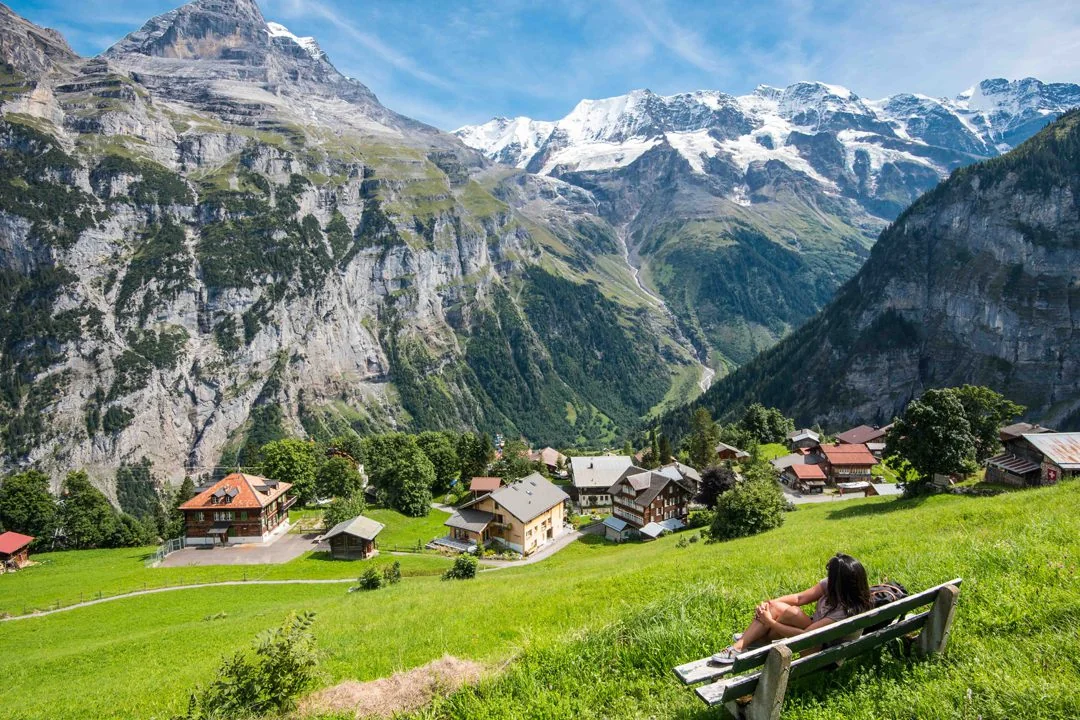 Switzerland
Comments (0)
Please login to comment
Sign in to share your thoughts and connect with the community
Loading...