


Geographic Compactness and the 400-Mile Coastline
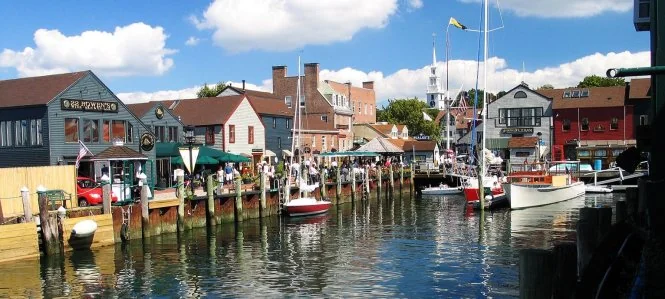
The primary driver of the Rhode Island retirement migration is its unique ratio of shoreline to total landmass. Unlike larger coastal states where ocean access requires significant travel, the "Ocean State" provides nearly universal proximity to the Atlantic.
This creates a high-density lifestyle where retirees can maintain a suburban or rural residence while remaining within a 20-minute drive of major maritime hubs like Newport or Narragansett. The state’s small footprint acts as a functional "15-minute city" on a statewide scale, reducing the logistical friction of aging.
Specialized Healthcare Access and Infrastructure
 Rhode Island’s healthcare sector, particularly within the Lifespan and Care New England systems,...
Rhode Island’s healthcare sector, particularly within the Lifespan and Care New England systems, offers a density of geriatric and specialized care rarely found outside of major metropolitan centers. The proximity to Brown University’s Alpert Medical School ensures a steady pipeline of medical innovation and clinical trials.
For the international or out-of-state retiree, this means the high-level medical infrastructure of Providence is accessible without the congestion or cost of living associated with Boston or New York. The integration of academic medicine into local community health networks provides a significant safety net for long-term aging in place.
The "Tax-Friendly" Pivot: A Deep Dive into Fiscal Shifts
 While traditionally viewed as a high-tax environment, the Rhode Island General Assembly has...
While traditionally viewed as a high-tax environment, the Rhode Island General Assembly has implemented specific structural changes to attract and retain the silver economy. These legislative adjustments target the primary pain points of fixed-income residents.
| Provision | Impact on Retirees | Eligibility/Notes |
|---|---|---|
| Social Security Exemption | Reduces state income tax burden | Income thresholds apply (approx. 125k) |
| Pension/Annuity Income | First $20,000 exempt from state tax | For qualifying retirement plans |
| Estate Tax Threshold | Prevents immediate wealth erosion | Indexed annually for inflation |
This fiscal evolution represents a calculated effort to compete with lower-tax jurisdictions in the Sun Belt by balancing high-quality public services with targeted senior tax relief.
The Economic Impact of "Coastal Urbanism"
 The convergence of historical preservation and modern luxury development in cities like Westerly has created a resilient real estate market.
The convergence of historical preservation and modern luxury development in cities like Westerly has created a resilient real estate market. The hospitality industry and maritime sector provide a robust local economy that supports high-end amenities, from world-class dining to cultural institutions like the Rhode Island School of Design (RISD) Museum.
This "Coastal Urbanism" allows retirees to exit high-stress professional environments without sacrificing the intellectual and social stimulation of a city. The state's investment in the Blue Economy further stabilizes property values, ensuring that residential investments in coastal communities remain liquid and appreciative.
Future Risk: Climate Adaptation and Insurance Volatility
The long-term viability of Rhode Island as a retirement haven faces a critical challenge in the form of rising sea levels and intensifying coastal storms. As the Rhode Island Coastal Resources Management Council (CRMC) updates its "STORMTOOLS" mapping, property owners in low-lying areas face escalating flood insurance premiums.
The structural tension between the state's geographic beauty and its environmental vulnerability will likely dictate the next decade of real estate development. Retirees must now weigh the immediate lifestyle benefits against the potential for decreased coastal accessibility and the rising cost of climate-resilient infrastructure.
Comments (0)
Please login to comment
Sign in to share your thoughts and connect with the community
Loading...