

The Geographical Significance of Stintino’s Crown Jewel
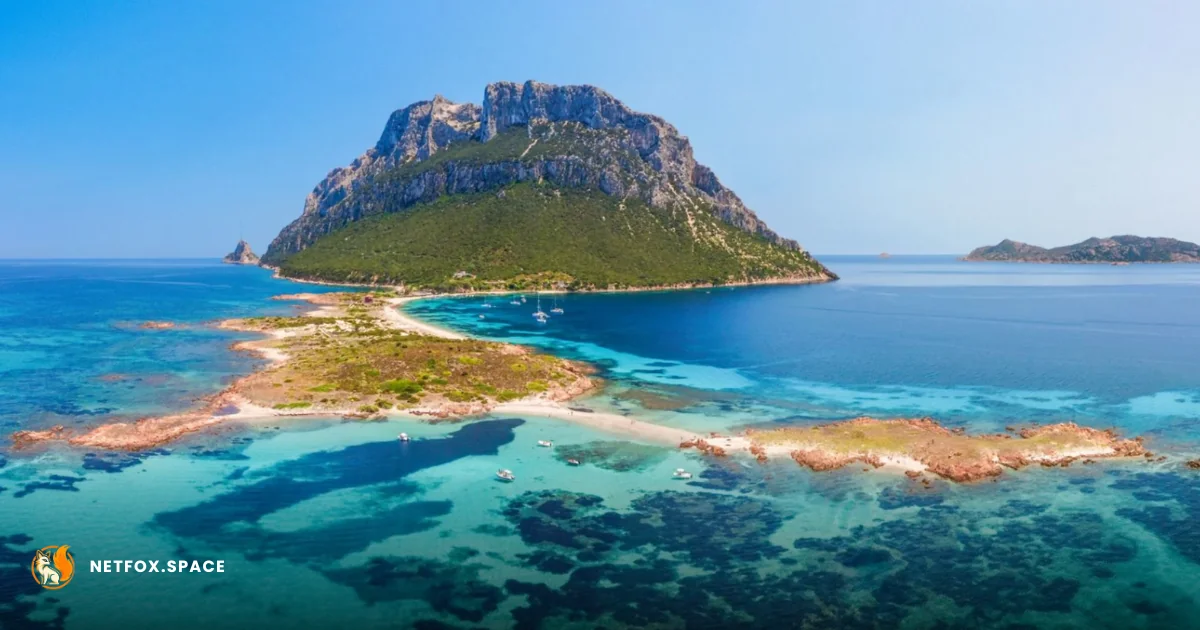
Located on the northwestern tip of Sardinia within the province of Sassari, Spiaggia la Pelosa is more than a scenic destination; it is a delicate geological formation. The beach faces the Isola Piana and the rugged Asinara National Park, creating a natural barrier that results in its signature shallow, crystalline waters.
The site is defined by the Torre della Pelosa, a 16th-century Aragonese watchtower that serves as a sentinel over the Strait of Asinara. Unlike the rocky outcrops typical of the Costa Smeralda, the sand here is exceptionally fine and volcanic in origin, making it highly susceptible to wind-driven erosion and human displacement.
Immediate Impact of Human Footprint Management
In response to years of environmental degradation, the local municipality of Stintino has transitioned from a traditional tourism model to a "limited access" framework. This is not merely a preference for exclusivity but a biological necessity to prevent the permanent loss of the beach's profile.
Currently, access is restricted to approximately 1,500 visitors per day during the peak season (June to September). Visitors must secure a digital QR code via an official booking platform, and a nominal entry fee is reinvested into the maintenance of the boardwalks and ecological monitoring. This shift has successfully reduced the physical pressure on the primary dune systems.
The Invisible Crisis: Sand Theft and "Matting" Protocols
While international media focuses on the aesthetics of the water, the primary structural challenge at Spiaggia la Pelosa is the "mechanical" loss of sand. Research by the University of Sassari previously indicated that kilograms of sand were being inadvertently removed daily by wet towels and beach bags.
To combat this, the local government has mandated the use of straw mats instead of traditional fabric towels. Fabric fibers trap the fine-grained quartz sand, which is then lost to the ecosystem when towels are shaken out elsewhere. By enforcing the mat-only rule, the municipality ensures that sand remains on the shore. Furthermore, "feet-washing" stations are positioned at every exit to ensure that the mineral content of the beach stays within the designated coastal zone.
Systemic Implications for Mediterranean Coastal Policy
The "Pelosa Model" is now being studied by other Mediterranean nations, including Greece and Spain, as a blueprint for sustainable coastal management. It represents a shift in the European Union's broader blue economy strategy prioritizing long-term environmental stability over short-term tourism revenue.
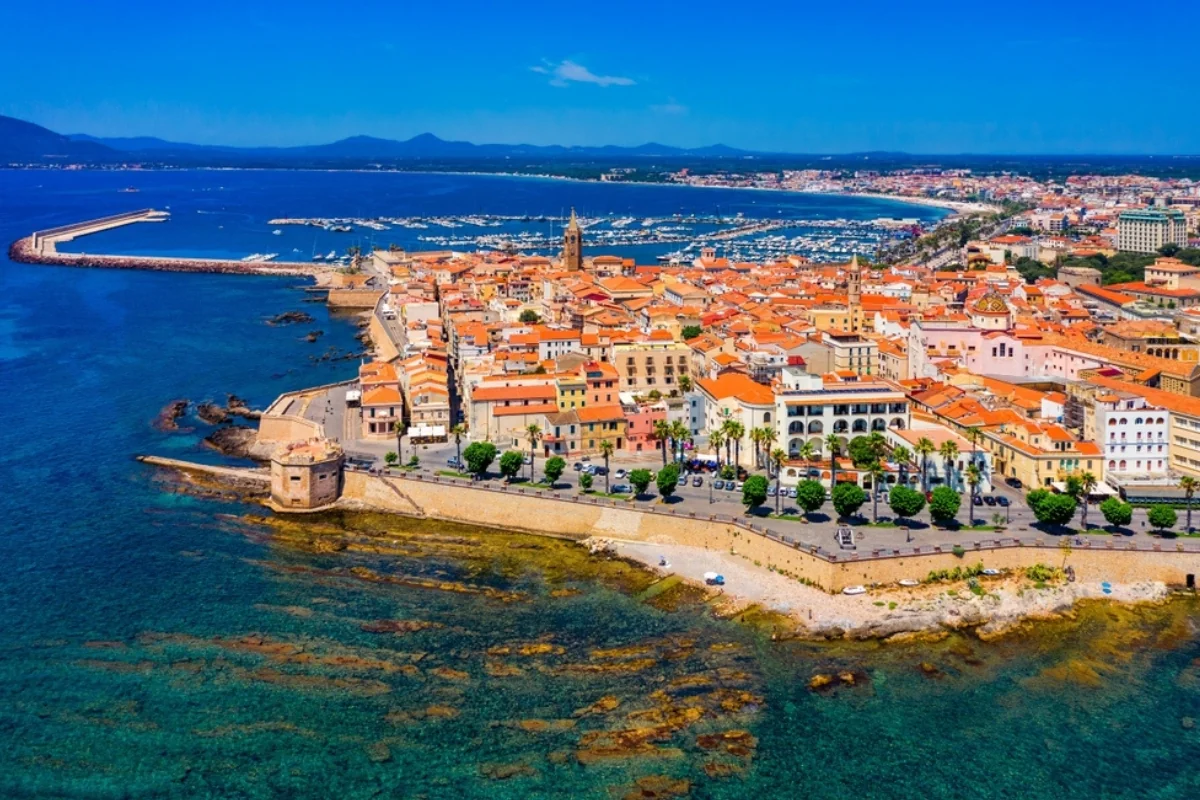
This regulatory framework creates a ripple effect in the regional economy. It shifts the tourism demographic from "mass-market" to "high-intent," where visitors are willing to comply with strict behavioral protocols in exchange for a preserved natural environment. This has led to an increase in value for nearby hospitality assets in Porto Torres and the Alghero region, as the scarcity of access increases the perceived value of the destination.
Comparative Framework of Sardinian Beach Regulations
| Regulation Type | Protocol Requirement | Environmental Objective |
|---|---|---|
| Access Control | Mandatory QR Code Booking | Reduce dune compaction and human density |
| Substrate Protection | Prohibited Fabric Towels (Mats only) | Prevent inadvertent sand theft and mineral loss |
| Waste Mitigation | Zero-Smoking & Plastic Ban | Maintain water purity and protect marine flora |
| Buffer Zones | Elevated Wooden Boardwalks | Allow natural sand movement and flora regrowth |
Future Outlook: The Asinara Expansion
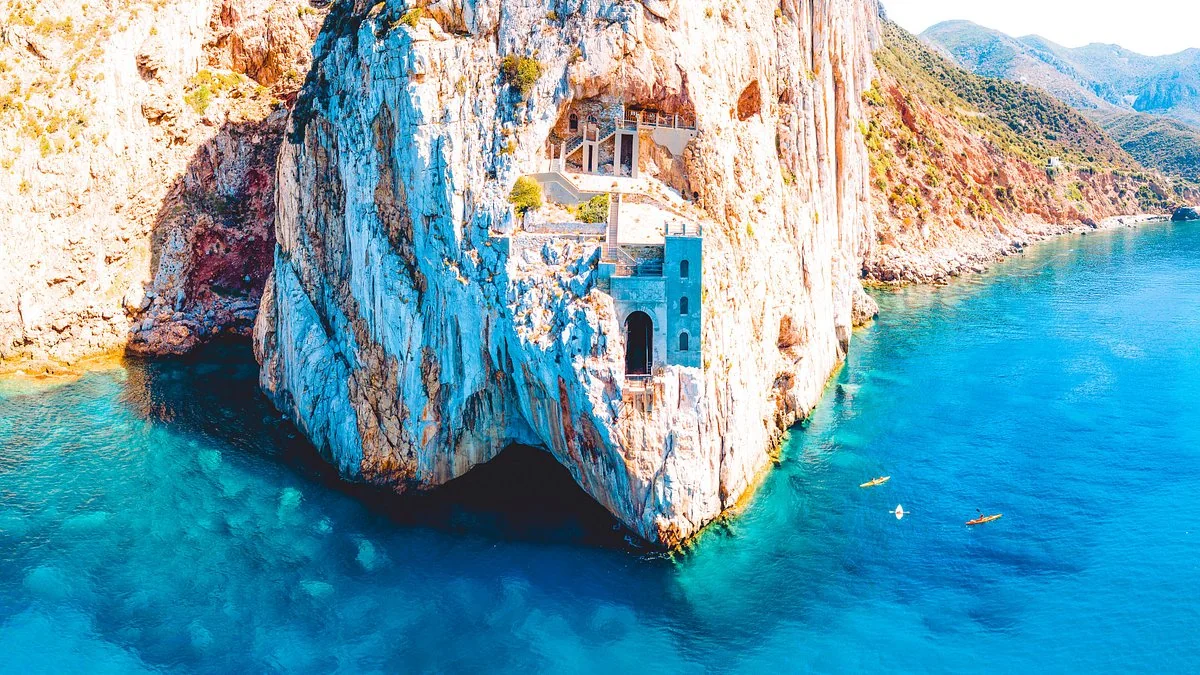
The future of travel in this sector involves a deeper integration with Asinara National Park. Previously a high-security prison island, Asinara now serves as a protected sanctuary for the rare albino donkey and endemic botanical species. Analysts expect a "corridor" approach to tourism, where Spiaggia la Pelosa serves as the regulated gateway to the larger, more rugged wilderness of the northern archipelago.
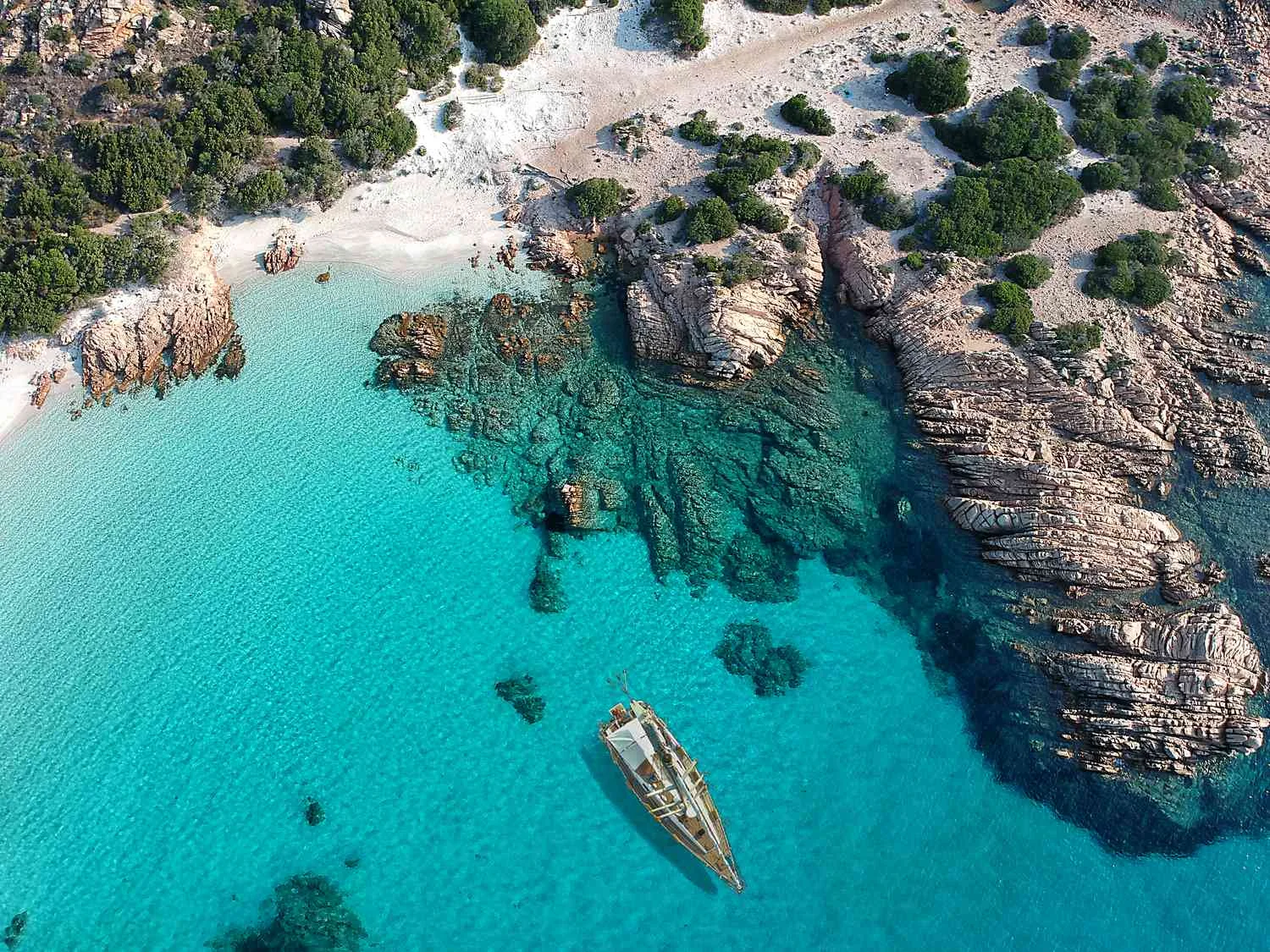
Regulatory uncertainty remains regarding the potential for further capacity reductions as sea levels rise. If the current rate of erosion continues despite the matting protocols, the municipality may face the political challenge of transitioning the beach to a "viewing only" site, similar to the Spiaggia Rosa on Budelli, where walking on the sand is now strictly forbidden to allow for total ecological recovery.
Comments (0)
Please login to comment
Sign in to share your thoughts and connect with the community
Loading...