

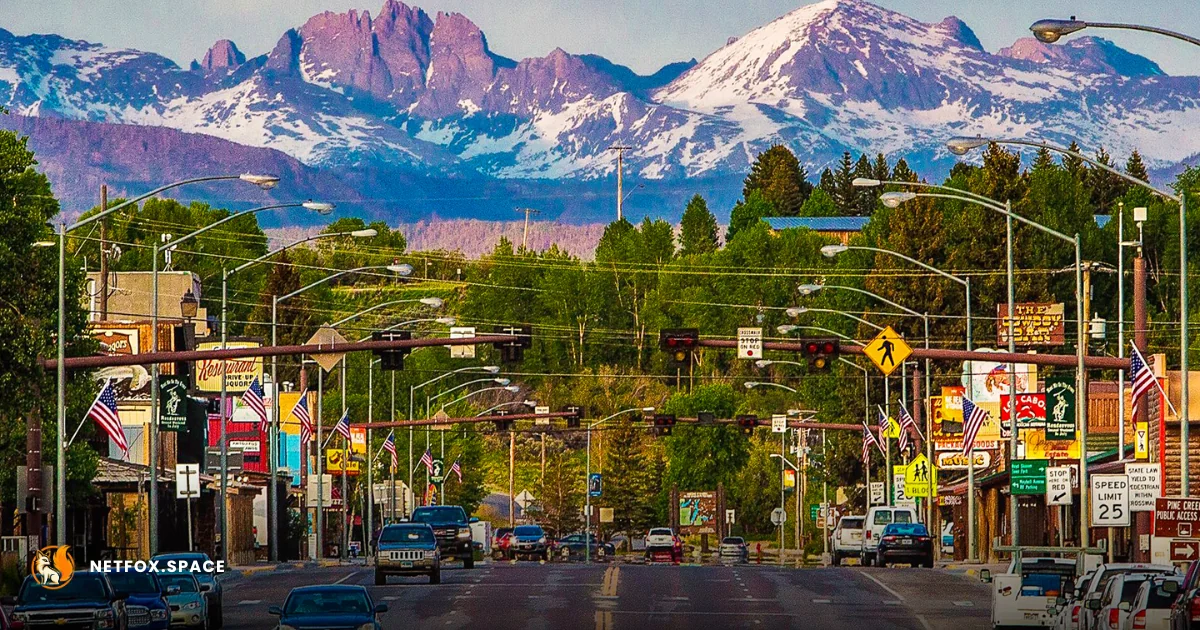
Grand Prismatic Spring Exhibits Biological Color Spectrum
Located in the Midway Geyser Basin of Yellowstone National Park, the Grand Prismatic Spring remains the largest hot spring in the United States. The pool is renowned for its striking concentric rings of color, which transition from deep blues in the center to brilliant oranges and reds along the edges.
These hues are produced by thermophilic bacteria heat-loving organisms that thrive in the mineral-rich waters. The blue center results from the depth of the water and the scattering of light, while the outer bands change based on the ratio of chlorophyll to carotenoids in the bacterial mats. The intensity of these colors often fluctuates with the seasons, appearing more vivid in the summer months.
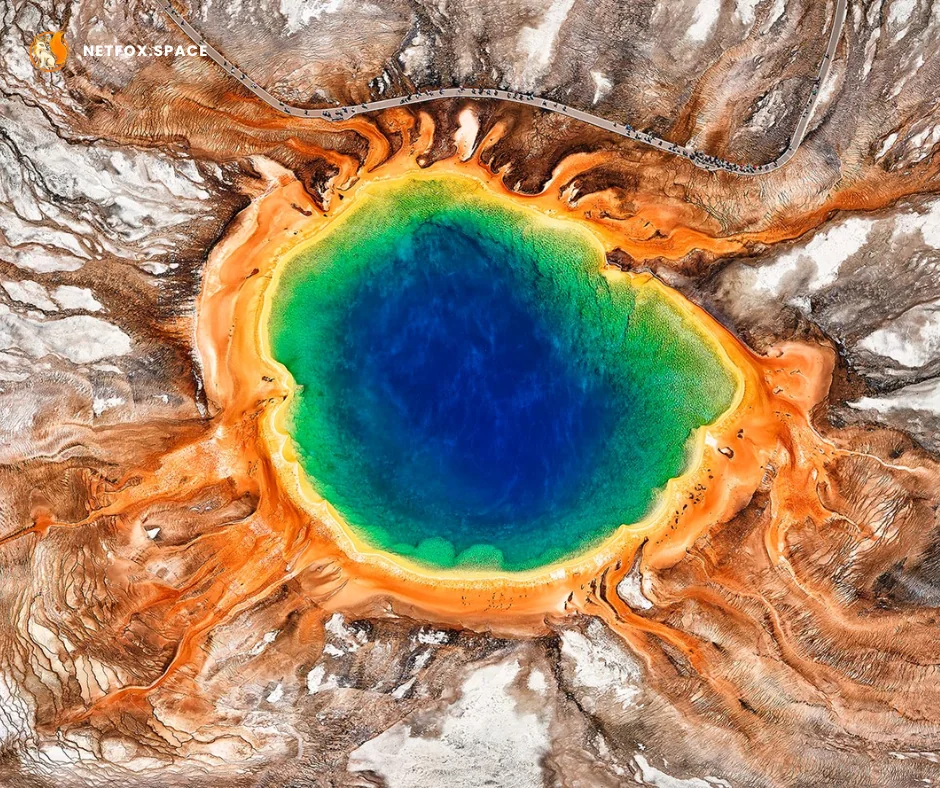 Red Desert Features Rare High-Altitude Dune Systems
Red Desert Features Rare High-Altitude Dune Systems
The Red Desert in south-central Wyoming represents one of the last high-elevation aquatic ecosystems in the United States. Spanning approximately 9,300 square miles, the region is defined by its eroded badlands, colorful buttes, and the Killpecker Sand Dunes.
The landscape derives its name from the high concentration of iron oxides and volcanic ash within the soil, creating a palette of deep reds, purples, and ochres. Beyond its visual appeal, the area serves as a critical migration corridor for the Desert Elk and the largest migratory herd of Pronghorn in the lower 48 states.
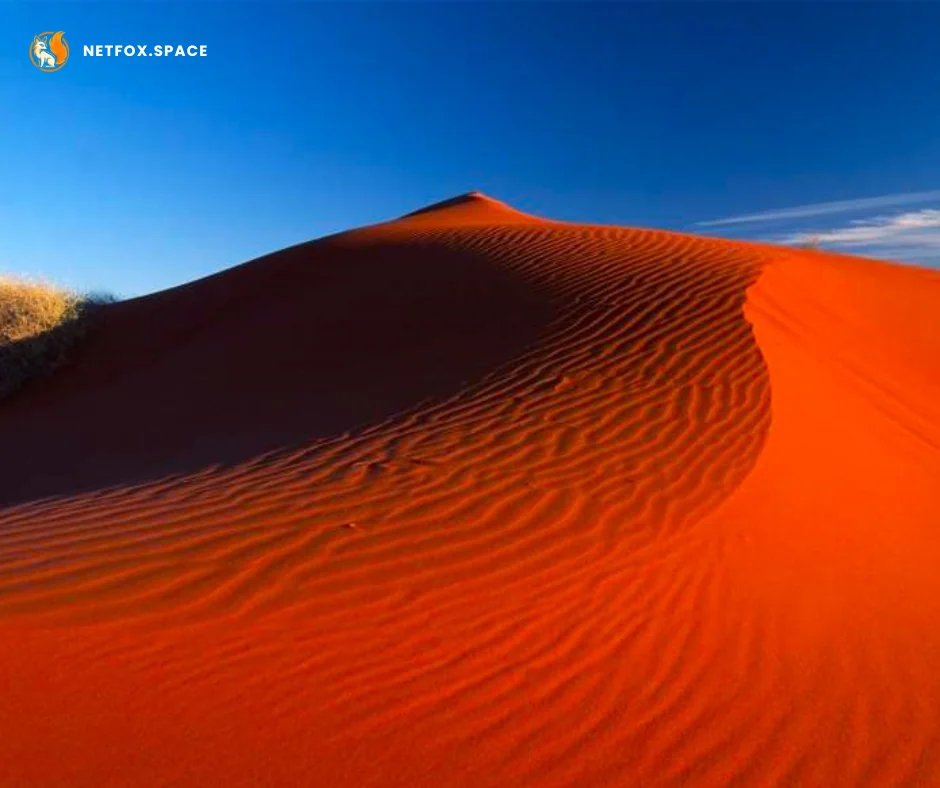 Painted Desert and Adobe Town Display Ancient Strata
Painted Desert and Adobe Town Display Ancient Strata
Near the Colorado border lies Adobe Town, the centerpiece of Wyoming’s desert wilderness. This region features a "painted" landscape characterized by towering rimrocks and intricate hoodoos sculpted by millennia of wind and water erosion.
The sedimentary layers exposed in these formations reveal millions of years of geological history, displaying distinct bands of lavender, maroon, and cream. These colors are the result of varying mineral content and the oxidation of clay-heavy soils. The area is currently recognized as a Wilderness Study Area due to its significant fossil deposits and unique topographical features.
| Feature | Primary Location | Primary Color Drivers | Key Landmark |
|---|---|---|---|
| Geothermal Pools | Yellowstone | Thermophilic Bacteria | Grand Prismatic Spring |
| High Desert | South-Central WY | Iron Oxide / Volcanic Ash | Killpecker Sand Dunes |
| Badlands | Sweetwater County | Sedimentary Minerals | Adobe Town |
 Conservation Efforts Amid Rising Tourism
Conservation Efforts Amid Rising Tourism
As international interest in these colorful landmarks grows, the National Park Service and the Bureau of Land Management face increasing pressure to balance visitor access with environmental preservation. The fragile bacterial mats in Yellowstone and the easily eroded formations of Adobe Town are susceptible to human impact.
Future management plans are expected to focus on expanded boardwalk systems and stricter vehicle regulations in desert regions to ensure these geological anomalies remain intact for future scientific study and tourism.
Comments (0)
Please login to comment
Sign in to share your thoughts and connect with the community
Loading...