

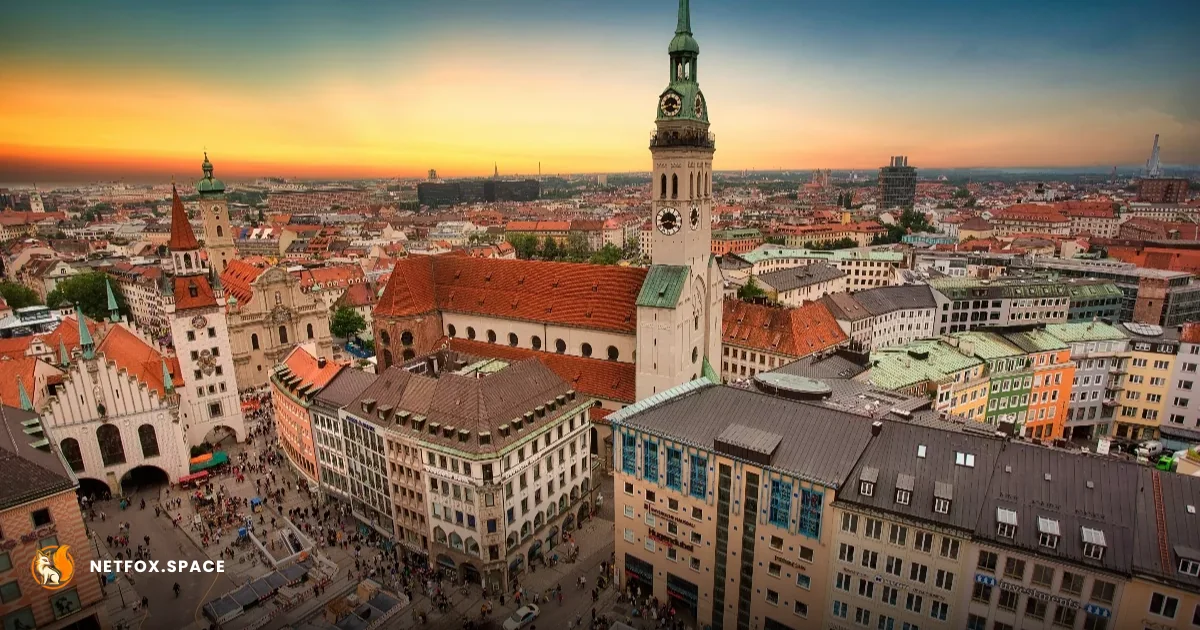
The Municipal Blueprint of the "15-Minute City"
Vienna’s reputation as a premier destination for long-term living is not a product of aesthetic charm alone, but of rigorous urban planning. The city operates on a decentralized "15-minute city" model, where essential services healthcare, education, and groceries are strategically distributed within a short walk or transit ride from any residential block.
Unlike many North American or Western European hubs facing urban sprawl, the City of Vienna (Stadt Wien) maintains strict zoning laws that prioritize high-density, mixed-use developments. This ensures that even the outer districts maintain a level of vibrancy and accessibility usually reserved for historic city centers.
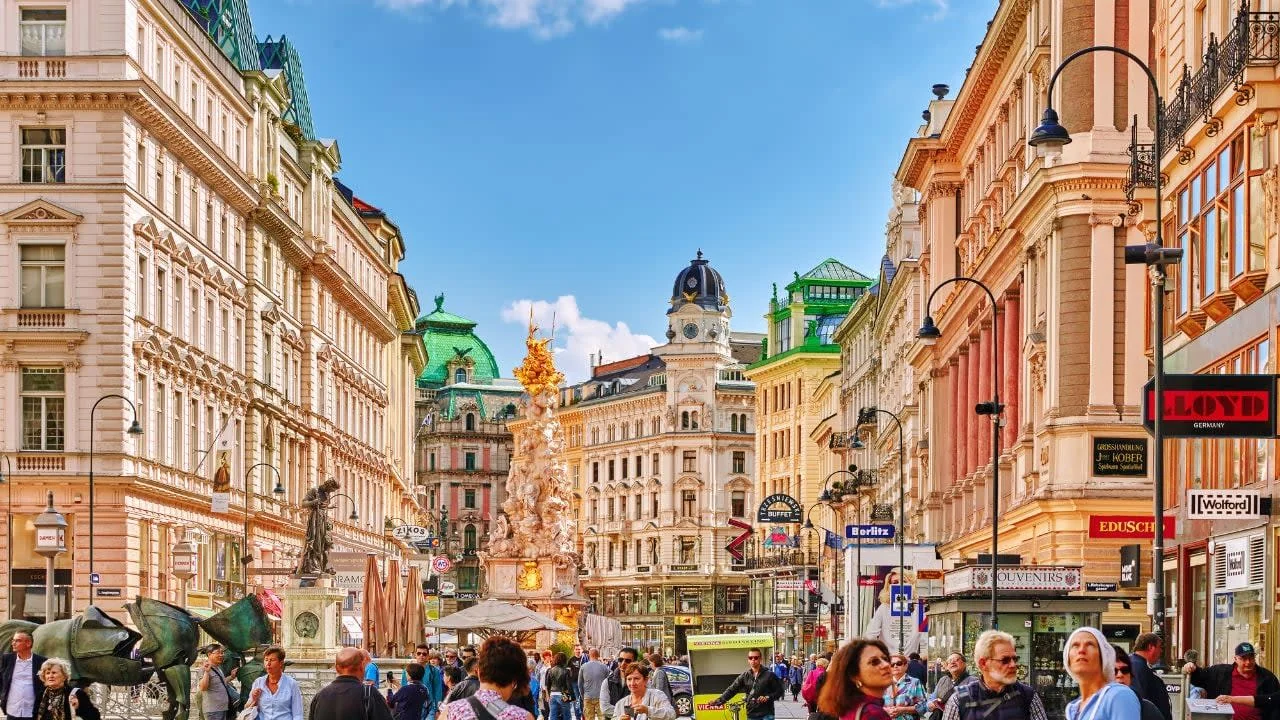 Image Credit: Shutterstock.
Climate-Resilient Transit and the €1-a-Day Metric
Mobility in the Austrian capital is defined by the Jahreskarte, an annual public transport pass costing exactly €365. This pricing strategy, maintained by Wiener Linien, serves as a massive subsidy for the middle class, effectively decoupling social mobility from car ownership.
The infrastructure supporting this is a dense web of U-Bahn (subway), tram, and S-Bahn (suburban rail) lines that prioritize frequency and reliability. By incentivizing mass transit over private vehicles, the city has successfully reduced urban heat island effects and reclaimed significant "gray space" for pedestrian plazas and green belts, enhancing the physical health of long-term residents.
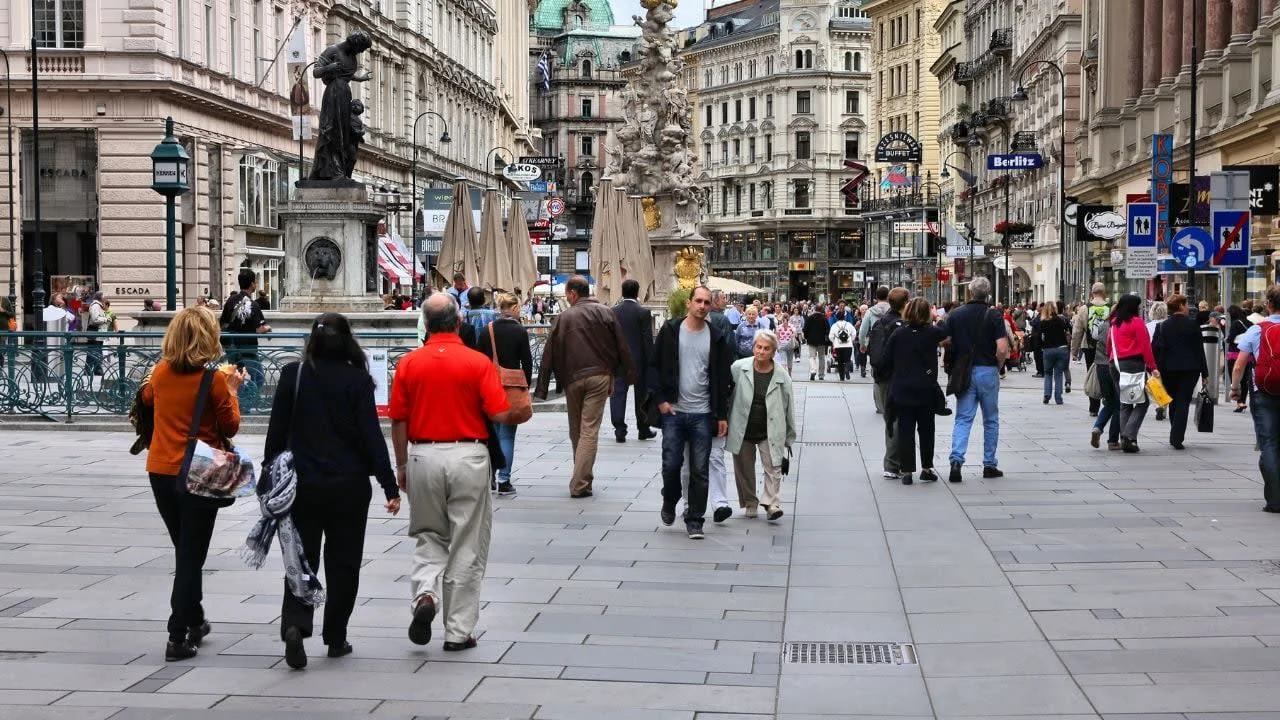 Image Credit: Shutterstock.
The "Red Vienna" Legacy: De-Commodifying the Housing Market
While global metropolises struggle with "touristification" and soaring rents, Vienna remains an outlier due to its century-old social housing program. Roughly 60% of the city’s population lives in subsidized or municipal housing, a legacy of the Interwar Period (1918–1934) often referred to as "Red Vienna."
The differentiation here lies in the lack of social stigma; these are not "projects" for the impoverished but high-quality estates for the broad middle class. Because the municipality is the city’s largest landlord, it exerts downward pressure on the private rental market. This structural decoupling of housing from speculative investment allows residents to allocate more disposable income to the local economy, fostering the very "vibrancy" travelers observe.
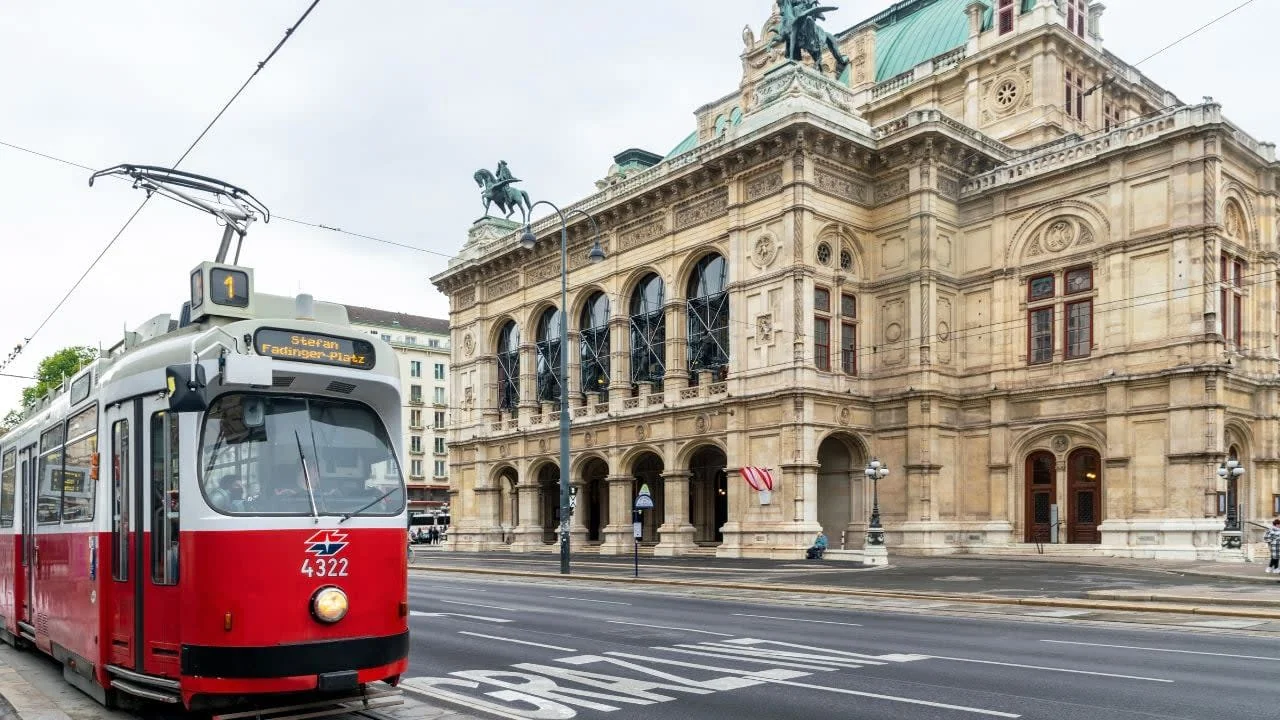 Image Credit: Shutterstock.
Economic Stability Through the Social Partnership Model
The appeal for long-term settlers is bolstered by Austria’s Sozialpartnerschaft (Social Partnership), a system of institutionalized cooperation between labor unions, employers, and the government. This framework minimizes industrial action and ensures predictable wage growth and robust social safety nets.
For international professionals and "digital nomads," this translates to a high level of systemic predictability. The Austrian Federal Economic Chamber (WKO) and the Chamber of Labour (AK) provide a dual-layered protection system that stabilizes the local labor market, making the city a low-risk environment for career transitions and family rearing compared to more volatile Anglo-American labor markets.
Navigating the Integration and Bureaucratic Threshold
Despite its high rankings, the transition to Viennese life involves a significant "integration tax" in the form of rigorous bureaucracy and cultural norms. The city’s administrative processes, governed by the Magistrat der Stadt Wien, are highly efficient but require strict adherence to documentation and German-language proficiency for full civic participation.
Furthermore, Vienna’s famous Gemuetlichkeit (coziness/friendliness) is balanced by a cultural reservedness that can be a barrier to social integration for expats. The city’s long-term sustainability depends on its ability to modernize these administrative hurdles to attract global talent in the biotech and information technology sectors, which are currently being prioritized to diversify the economy beyond tourism and international diplomacy.
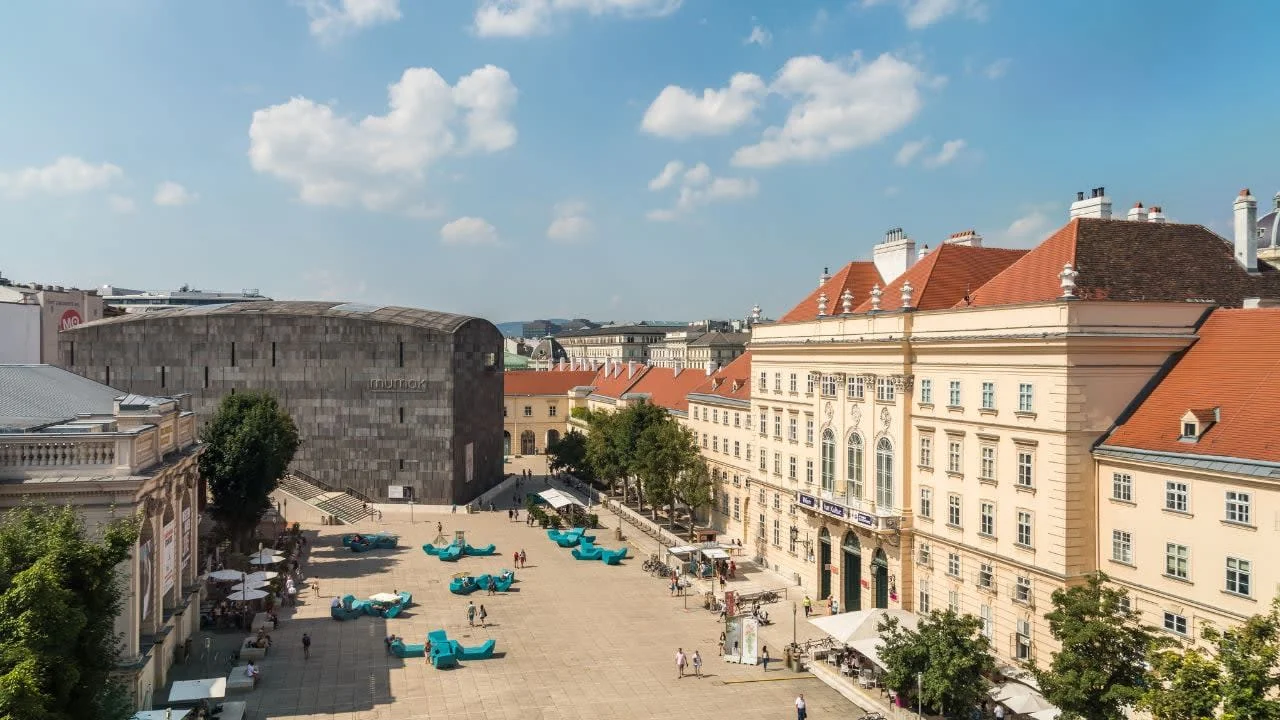 Image Credit: Shutterstock.
Comparative Urban Infrastructure Data
| Feature | Vienna (Global Model) | Typical Tier-1 Global City |
|---|---|---|
| Housing Ownership | 60% Municipal/Subsidized | <10% Public/Subsidized |
| Annual Transit Cost | €365 (Fixed) | €1,200 - €2,800 (Variable) |
| Public Green Space | ~50% of Total Area | 15% - 25% of Total Area |
| Primary Transit Mode | Public/Walking (70%+) | Private Vehicle (50%+) |
The tension for Vienna’s future lies in its capacity to maintain this subsidized high-quality lifestyle amidst rising EU-wide inflation and a demographic shift toward an aging population. As the city expands into new districts like Aspern Seestadt, the challenge will be replicating the historical social cohesion of the inner districts within the constraints of modern fiscal austerity.
Comments (0)
Please login to comment
Sign in to share your thoughts and connect with the community
Loading...