

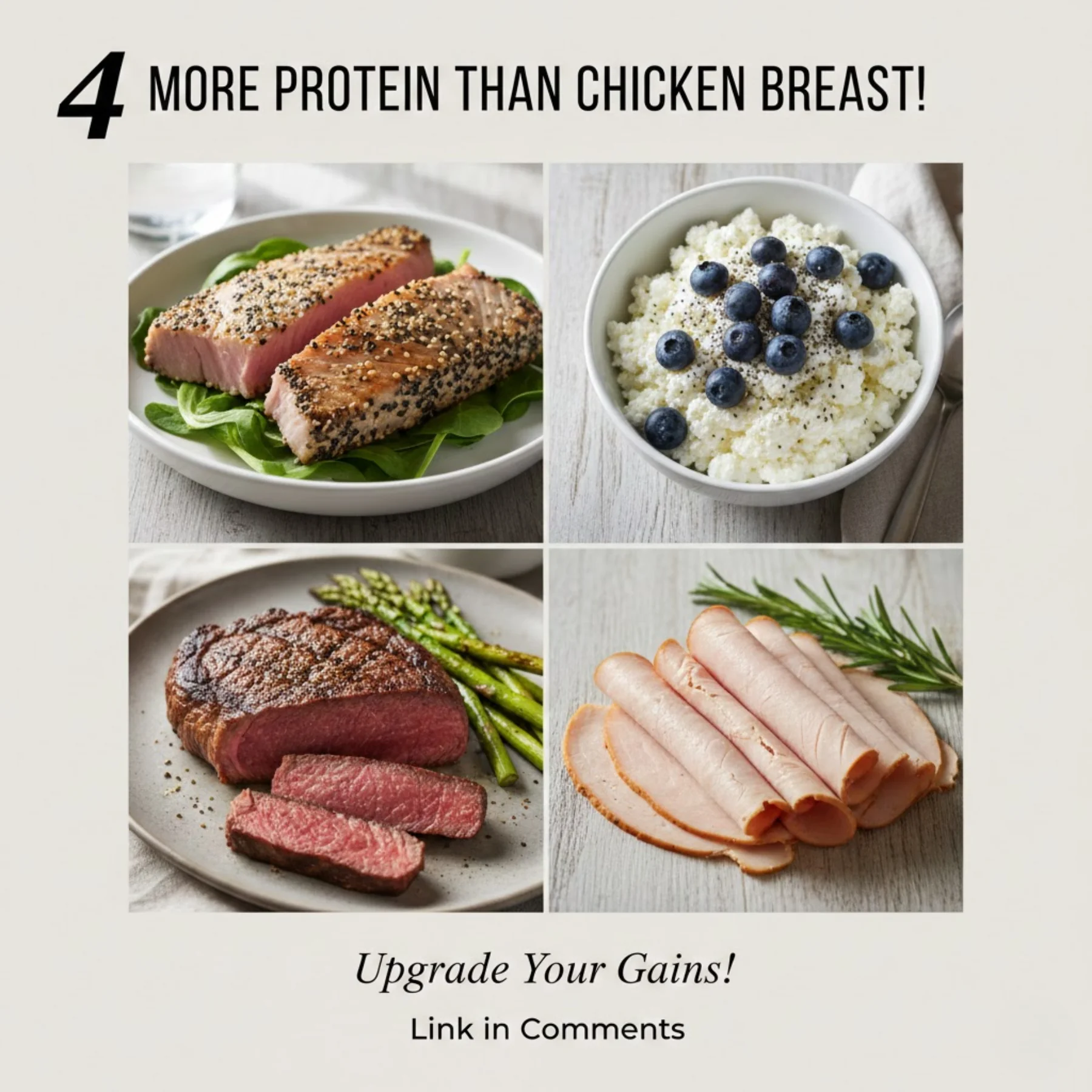
4 Nutrient-Dense Foods With More Protein Than Chicken Breast
While chicken breast has long been the gold standard for lean protein in fitness and nutrition circles, a growing body of nutritional data suggests that several whole food alternatives offer even higher protein concentrations. Diversifying protein sources is increasingly recommended by dietitians to ensure a broader intake of essential minerals and phytonutrients.
A standard 3-ounce serving of cooked chicken breast provides approximately 26 grams of protein. However, specific plant-based and animal-derived alternatives can surpass this figure, often while providing additional benefits such as fiber, healthy fats, or essential omega-3 fatty acids.
 Concentrated Protein Powerhouses
Concentrated Protein Powerhouses
The search for superior protein density often leads to specialized dairy and plant extracts. These foods provide the necessary amino acids for muscle synthesis and metabolic health, sometimes with fewer calories or more complex nutritional profiles than poultry.
Seitan (Vital Wheat Gluten)
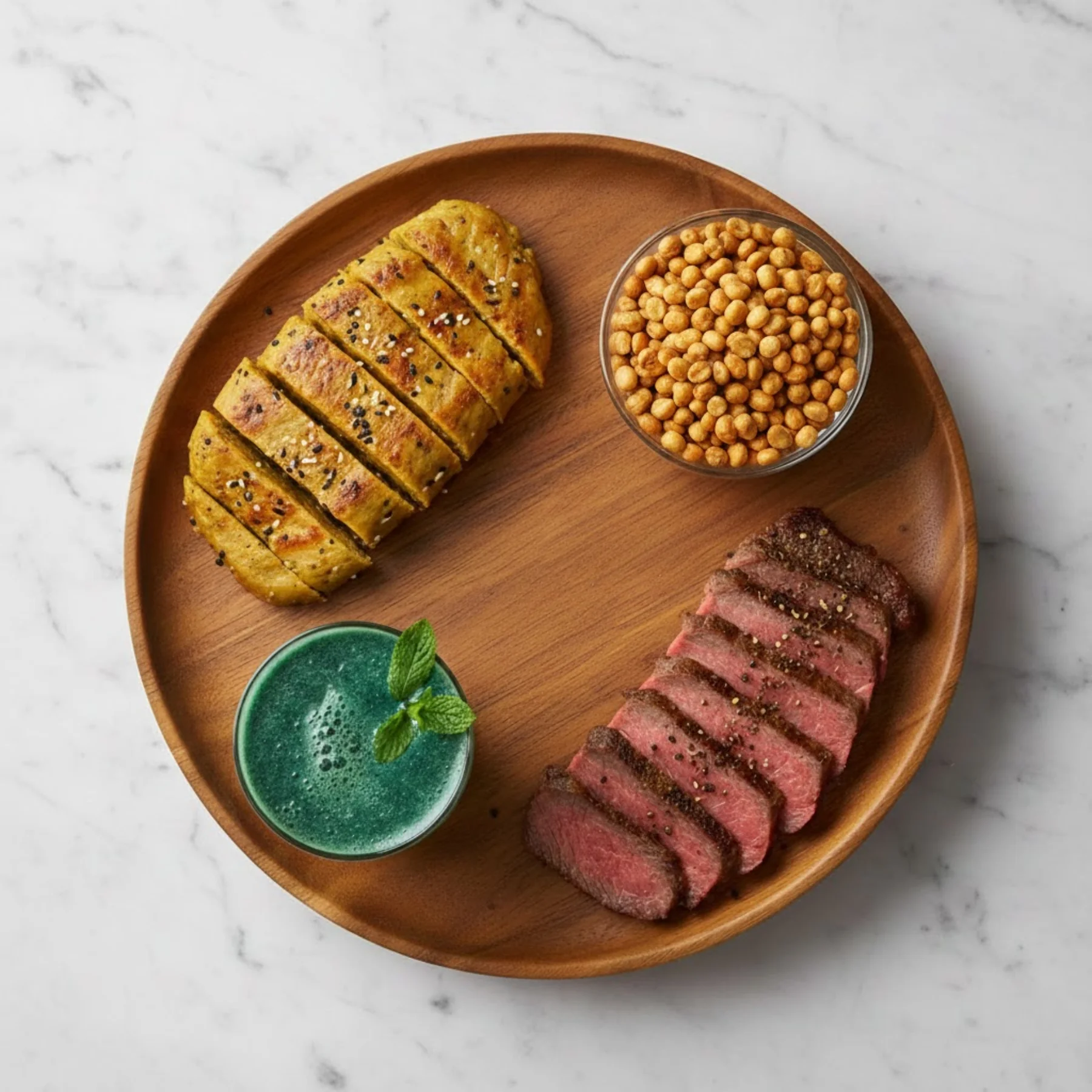
Seitan is a prominent plant-based protein made from hydrated gluten, the main protein found in wheat. It is particularly valued in vegan and vegetarian diets for its dense, meat-like texture. A 3-ounce serving of seitan can contain upwards of 46 grams of protein, nearly double that of a comparable serving of chicken. It is also an excellent source of selenium and iron.
 Spirulina
Spirulina
Though often categorized as a supplement, this blue-green algae is one of the most nutrient-dense substances on Earth. In its dried form, spirulina consists of approximately 60% to 70% protein. While typically consumed in smaller quantities, gram-for-gram, it significantly outpaces animal proteins. It also carries high levels of antioxidants, such as phycocyanin, which helps combat oxidative stress.
Roasted Soybeans (Soya Nuts)
Soy is one of the few plant sources that qualifies as a complete protein, containing all nine essential amino acids. When roasted, soybeans become a concentrated protein snack. A half-cup serving can provide approximately 34 grams of protein. Beyond the protein content, soy consumption is linked to improved cardiovascular health due to its high fiber and isoflavone content.
Specific Lean Beef Cuts
While many associate beef with higher fat content, specific lean cuts such as skirt steak or top round can offer higher protein density than chicken. A 3-ounce portion of lean beef can provide roughly 30 grams of protein. These cuts are also rich in Vitamin B12 and zinc, which are critical for immune function and energy metabolism.
Comparative Protein Density
The following data illustrates how these alternatives compare to the standard 3-ounce serving of cooked chicken breast.
| Food Item | Serving Size | Protein Content (Approx.) |
|---|---|---|
| Seitan | 3 oz | 46g |
| Roasted Soybeans | 1/2 cup | 34g |
| Lean Beef | 3 oz | 30g |
| Chicken Breast | 3 oz | 26g |
 The Role of Bioavailability and Micronutrients
The Role of Bioavailability and Micronutrients
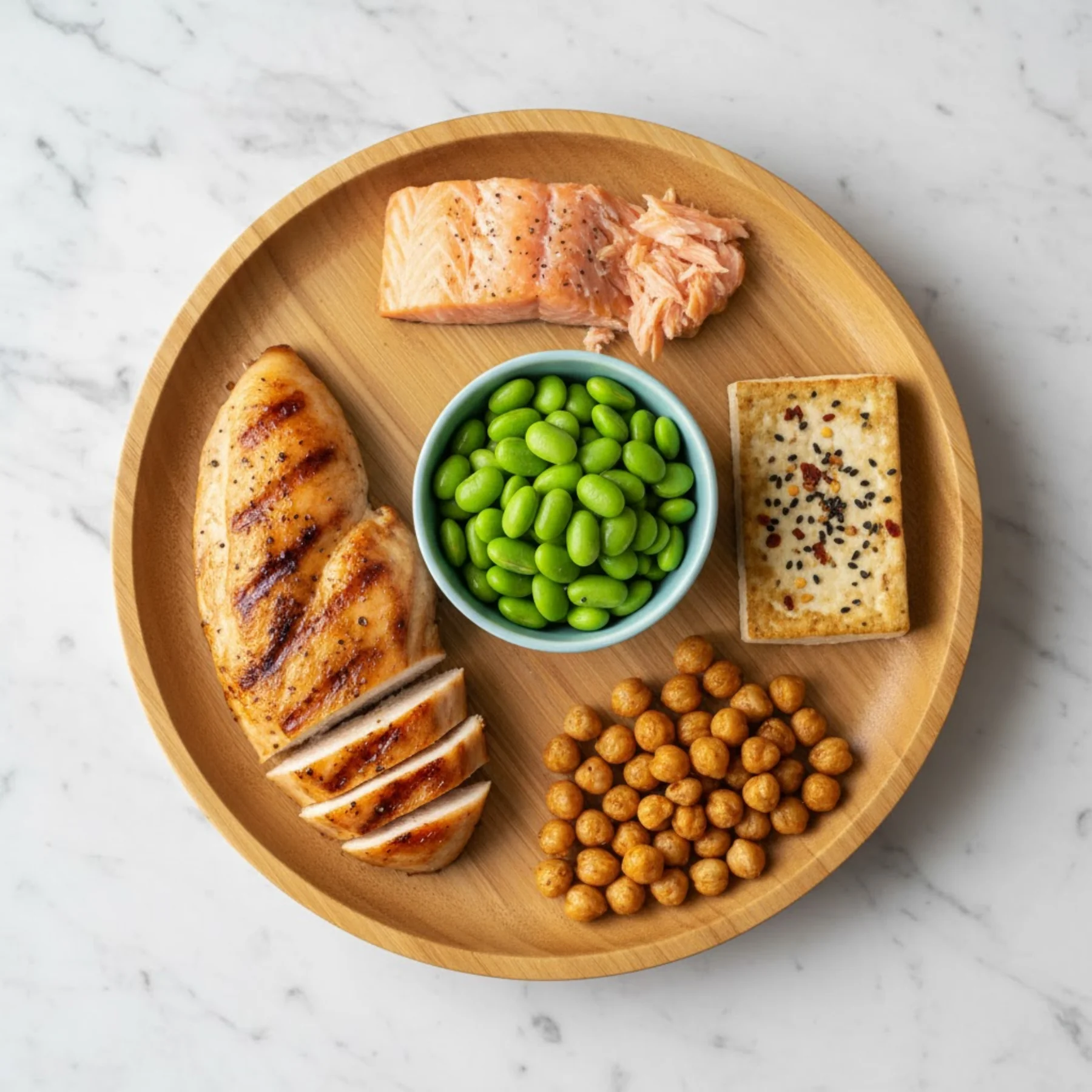
When evaluating protein sources, the Digestible Indispensable Amino Acid Score (DIAAS) is a critical metric used by nutritionists to determine how efficiently the body can utilize the protein. While animal proteins like beef and chicken typically score higher in bioavailability, pairing different plant proteins such as seitan with legumes can create a complete amino acid profile.
Furthermore, moving beyond a chicken-centric diet introduces the body to "secondary" nutrients. For example, opting for plant-based proteins like soybeans adds dietary fiber, which is entirely absent from animal meats. This fiber is essential for maintaining a healthy gut microbiome and regulating blood sugar levels.
Future Implications for Global Nutrition
The shift toward identifying high-protein alternatives reflects a broader movement in nutritional science toward "functional eating." As global food systems face increasing pressure, understanding how to extract maximum nutritional value from diverse sources especially plant-based concentrates like seitan and algae is no longer just a niche fitness trend. It represents a necessary evolution in how humans meet their metabolic requirements. The integration of these high-density proteins suggests a future where the "meat-and-potatoes" plate is replaced by a more sophisticated, nutrient-dense array of global staples.
Comments (0)
Please login to comment
Sign in to share your thoughts and connect with the community
Loading...