
Netfox
HomeQ&AAnti-ScamNotifications
© 2026 Netfox. All rights reserved.
Terms of ServicePrivacy PolicyAbout UsEditorial Policy
Comment
Health

5 Supplements You Should Never Mix With Protein Powder

Hana Than
Hana Than
Jan 22, 20264 min
0
0
0
79
Wondering what to mix with your protein? Discover the 5 supplements you should never mix with protein powder to avoid side effects and maximize absorption.

5 Supplements You Should Never Mix With Your Protein Powder

Protein powder is the ultimate staple for fitness enthusiasts, but did you know that what you mix into your shake could be doing more harm than good? While it’s tempting to create an "all-in-one" super drink, certain supplements can interfere with protein absorption or lead to unpleasant side effects.

If you want to maximize your gains and protect your health, here are the 5 supplements you should avoid mixing with protein powder.


1. Iron Supplements: The Absorption Blocker

One of the most common mistakes is taking iron at the same time as a whey protein shake.

Why it’s a bad idea: Most protein powders (especially whey and casein) are derived from dairy and are high in calcium. Calcium and iron compete for the same receptors in your body. When taken together, the calcium significantly inhibits your body’s ability to absorb iron, making your iron supplement far less effective.

  • The Fix: Take your iron supplement at least two hours before or after consuming a dairy-based protein shake.

2. Certain Antibiotics: A Dangerous Interaction

If you are currently on a course of antibiotics, you need to be extremely careful with your protein timing.

Why it’s a bad idea: Specific antibiotics, such as tetracyclines and fluoroquinolones, can bind to the calcium and magnesium found in many protein powders. This creates a "complex" that your body cannot absorb, meaning the medicine won't work to fight your infection.

  • The Fix: Always consult your doctor, but generally, it is best to avoid protein shakes for a few hours around your medication window.
High-Fiber Supplements (In Excess)High-Fiber Supplements (In Excess)

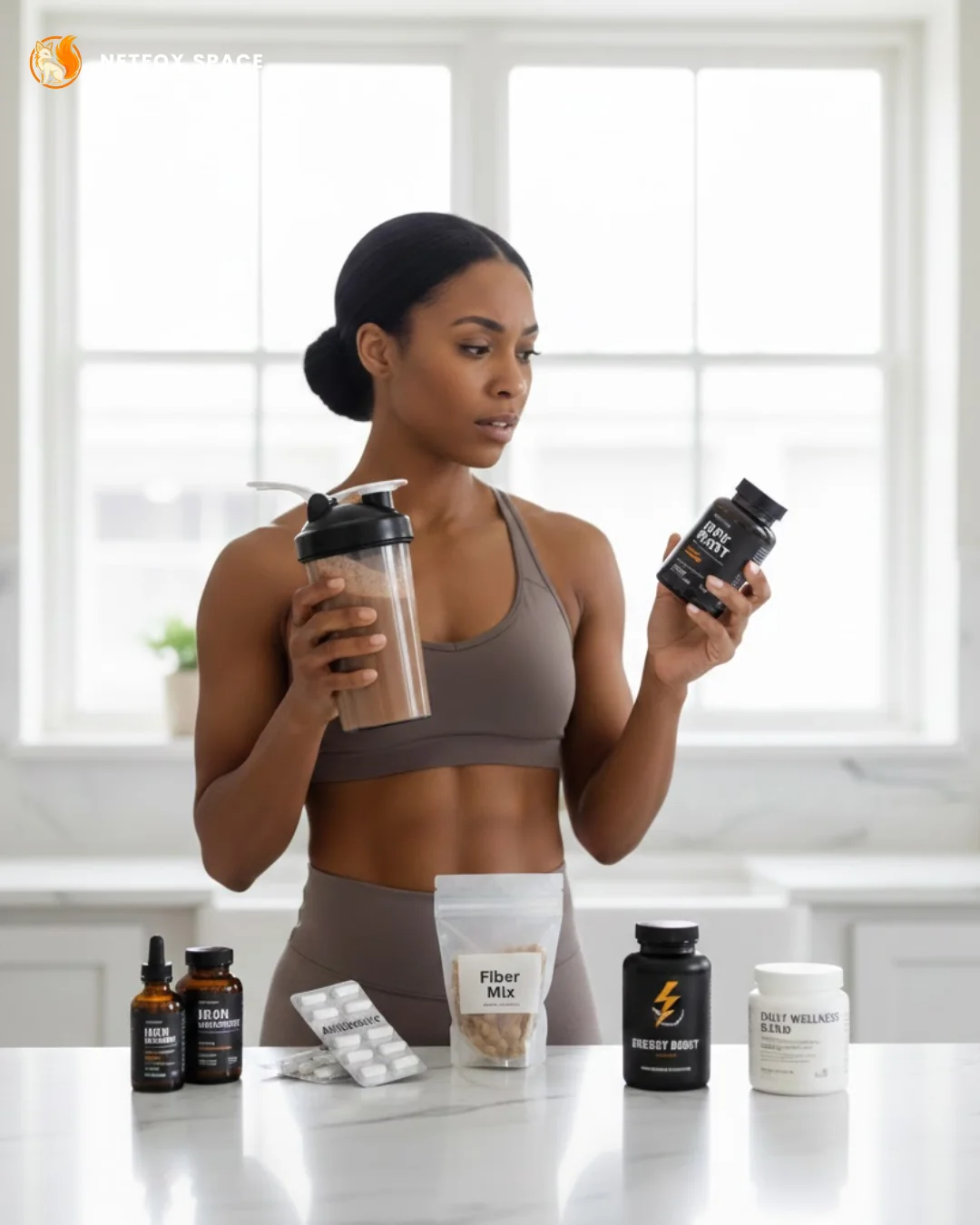
3. High-Fiber Supplements (In Excess)

Adding a scoop of fiber to your protein shake sounds like a health win, but timing is everything.

Why it’s a bad idea: Excessive fiber can slow down the digestion process significantly. While fiber is healthy, taking too much at once with your protein can lead to severe bloating, gas, and stomach cramps. Furthermore, very high doses of insoluble fiber may slightly interfere with the rapid absorption of amino acids, which is often the goal of a post-workout shake.

  • The Fix: Get your fiber from whole foods throughout the day rather than dumping it all into one shake.

4. Caffeine or Fat Burners (Before Bed)

Many people mix protein with "pre-workout" or fat-burning supplements to save time.

Why it’s a bad idea: If you drink your protein shake in the evening to aid muscle recovery overnight, adding a stimulant-heavy supplement can ruin your sleep cycle. Sleep is when the actual muscle repair happens. By over-stimulating your nervous system, you're counteracting the recovery benefits of the protein.

  • The Fix: Keep your stimulants for the morning and your pure protein for the evening.

5. Multiple "Proprietary Blends"

Many protein powders today aren't just protein; they are "meal replacements" containing added vitamins and minerals.

Why it’s a bad idea: If you mix a multi-ingredient protein powder with another multi-vitamin or a "greens" powder, you risk Toxicity or Overconsumption. For example, getting too much Vitamin A, Vitamin D, or Zinc consistently can lead to adverse health effects.

  • The Fix: Read the labels carefully. If your protein powder already provides 50% of your daily vitamins, don't add more supplements to the mix.
How to Build a Better ShakeHow to Build a Better Shake

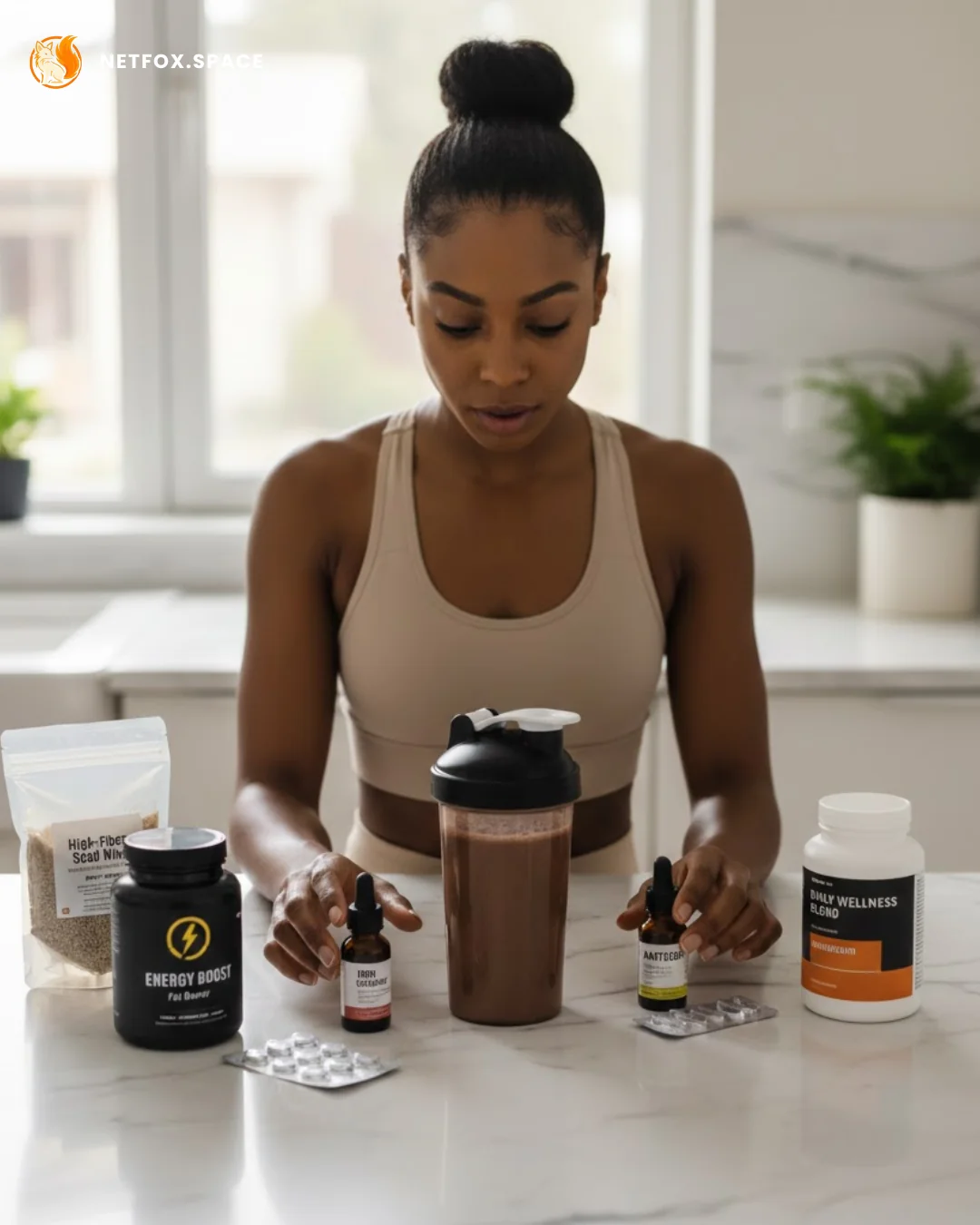
How to Build a Better Shake

To get the most out of your protein, simplicity is often key. Stick to these safe mixers:

  • Creatine Monohydrate: Generally safe and effective when mixed with protein.

  • Carbohydrates: Adding a banana or oats helps with energy and protein transport.

  • Water or Plant Milk: If you are sensitive to calcium/iron interactions, use water or almond milk.

The Bottom Line

Protein powder is a powerful tool, but it isn't a "universal solvent" for all your supplements. To ensure you’re getting the full nutritional value of everything you take, keep your iron and medications separate from your shakes, and always check the ingredient list for overlapping nutrients.

Comments (0)

Sort by

Please login to comment

Sign in to share your thoughts and connect with the community

Loading...

Related news

Leading cardiology groups advise a shift toward home cooking to reduce reliance on ultra-processed foods (UPFs), citing cardiovascular risks and health impacts.

Cardiologists Urge Home Cooking to Cut UPF Intake

52 views•3 min
Health officials are monitoring passengers from the MV Hondius for hantavirus. Learn about the transmission risks, symptoms, and current status of the investigation.

Hantavirus Cruise Monitoring: Risk and Transmission Facts

62 views•4 min
Discover why clinical dietitians emphasize protein at breakfast for blood sugar stability, satiety hormone regulation, and muscle protein synthesis maintenance.

Why Dietitians Recommend High-Protein Breakfasts

92 views•3 min
New research suggests frequent daytime napping may be linked to higher risks of hypertension and stroke. Learn the difference between restorative and reactive sleep.

Frequent Napping Linked to Health Risks in New Study

69 views•3 min
Recent research suggests a link between pesticide residues on fruits and vegetables and increased lung cancer risk in non-smokers under 50. Learn the study's findings.

Pesticide Risks in Produce and Lung Cancer in Non-Smokers

67 views•3 min
A breakdown of the Mediterranean diet’s evidence base, its impact on chronic disease risk, and how to implement its core components according to Harvard health data.

Mediterranean Diet Evidence and Implementation Guide

46 views•3 min
Nutrition experts prioritize small, fatty fish like sardines for high omega-3 content and low mercury levels. Learn how to optimize your seafood intake safely.

The Healthiest Fish to Eat for Longevity and Brain Health

52 views•3 min
A new study of 50,000 adults suggests a correlation between high fruit and vegetable intake and certain lung cancer risks. Experts urge caution in interpreting the data.

Fruit and Vegetable Intake Linked to Specific Lung Cancer Risk

76 views•3 min
mRNA vaccines show durable immune responses in pancreatic and melanoma trials, marking a shift toward personalized immunotherapy despite logistical hurdles.

mRNA Cancer Vaccines Show Promise in Early Clinical Trials

75 views•4 min
A systematic review of donanemab and lecanemab finds that despite reducing amyloid plaques, the drugs do not offer clinically significant cognitive improvements.

New Alzheimer's Drugs Lack Clinical Benefit, Review Finds

67 views•3 min
San Francisco health officials have confirmed the city's first case of Clade I mpox. Learn about the strain's severity, local risks, and how to access vaccines.

SF Reports First Clade I Mpox Case: What to Know

73 views•3 min
New research suggests sodium levels in drinking water, driven by rising sea levels, may contribute significantly to hypertension in coastal communities.

Drinking Water Sodium May Impact Blood Pressure

67 views•3 min
Learn how to reduce tick populations in your yard using moisture management, wood chip barriers, and strategic landscape design based on CDC and health data.

How to tick-proof your yard: Science-backed prevention steps

70 views•3 min
Over 350,000 supplement bottles have been recalled due to a failure in child-resistant packaging requirements, posing risks of poisoning and serious injury.

350,000 Supplement Bottles Recalled for Safety Risks

85 views•3 min
Scientists have identified the specific transport mechanism that allows Vitamin B1 to enter mitochondria, confirming a biological theory first proposed in 1959.

Vitamin B1 Hypothesis Proven After 67 Years

73 views•3 min
Research indicates that exceeding recommended Vitamin D levels can lead to hypercalcemia and bone health risks, challenging the "more is better" supplement trend.

Risks of Excessive Vitamin D Supplementation Explained

87 views•3 min
Experts warn that high doses of vitamins can lead to toxicity. Learn the six clinical signs of supplement overdose, from skin changes to nerve damage.

Signs of Vitamin Overdose: 6 Symptoms of Toxicity

84 views•3 min
While lemons and limes share a citrus lineage, their nutritional profiles and vitamin C levels differ. Learn which fruit offers higher acidity and specific health benefits.

Lemons vs. Limes: Nutritional Differences and Health Benefits

75 views•3 min
Not all "health" foods are equal. Nutritionists flag granola bars, flavored yogurt, and fruit juices as ultra-processed items that may hinder health goals.

6 'Healthy' Foods Classified as Ultra-Processed

92 views•3 min
A recent study found that NMN supplements may reduce systolic blood pressure and arterial stiffness. Learn about the study limitations and clinical relevance.

Can NMN Lower Blood Pressure? New Study Results

75 views•3 min