

Why Southern Africa is leading the shift in family expeditions
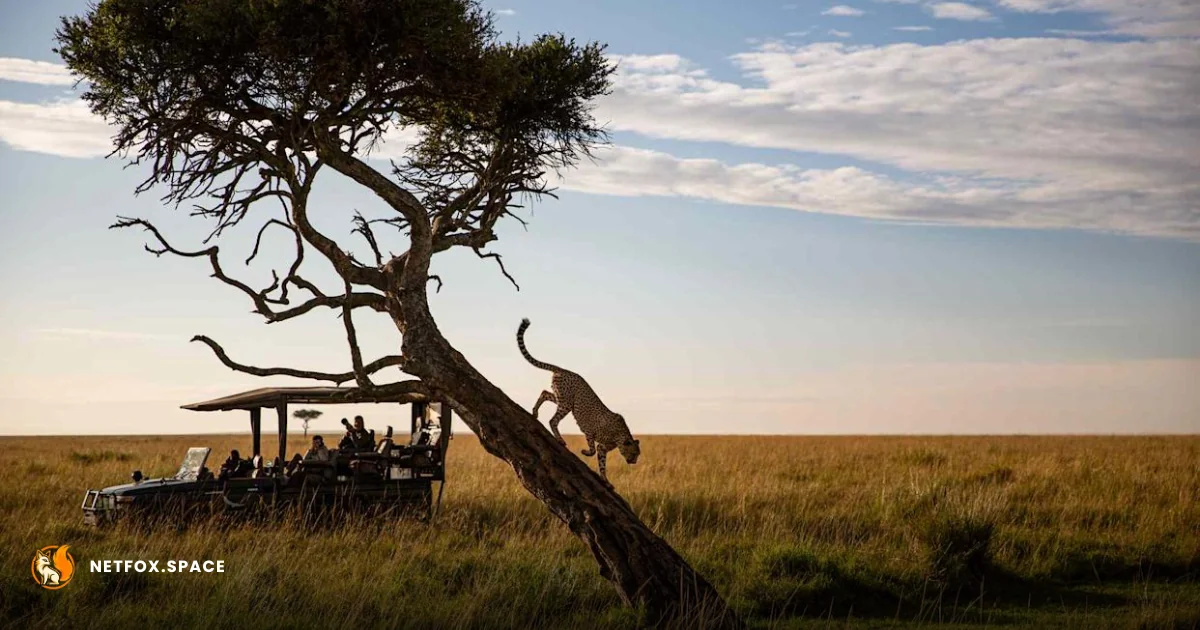
An increasing number of families are choosing African safaris as a primary vacation model, moving away from traditional resort-style travel toward immersive wildlife education. Recent travel data indicates that specialized lodges in countries like South Africa and Botswana are tailoring operations to accommodate children, providing structured environments where wildlife conservation meets luxury hospitality. This shift is driven by a desire for "transformative travel," where the objective is to disconnect from digital environments and engage with the natural world.
 Logistics of navigating the bush with young travelers
Logistics of navigating the bush with young travelers
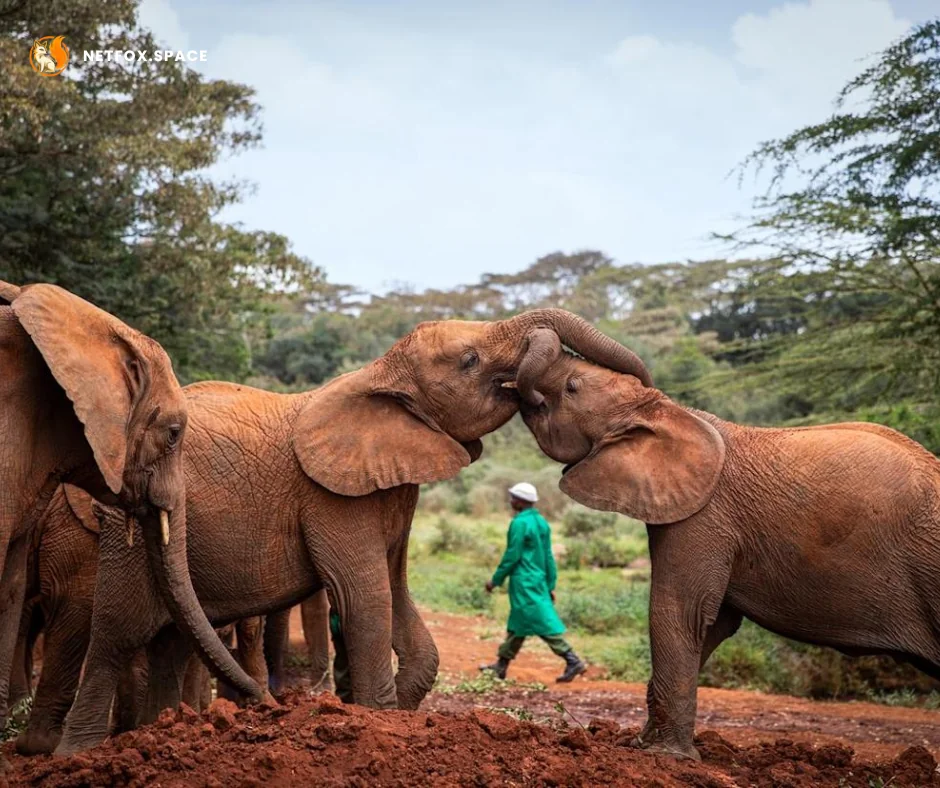
Planning a successful family safari requires rigorous attention to regional health requirements and lodge policies. Many premier camps, such as those in the Kruger National Park region or the Okavango Delta, have lowered age restrictions or introduced "Junior Ranger" programs to engage younger guests during game drives. Travelers must prioritize malaria-free zones, such as the Madikwe Game Reserve, to simplify medical preparations. Experts recommend booking private vehicles to allow families flexibility in timing, as standard six-hour game drives can be taxing for children.
| Safari Feature | Benefit for Families | Recommended Region |
|---|---|---|
| Malaria-Free Zones | No prophylactic medication required | Eastern Cape, South Africa |
| Private Concessions | Off-road tracking and flexible hours | Sabi Sands, South Africa |
| Educational Camps | Specialized conservation curricula | Masai Mara, Kenya |
| Walking Safaris | Close-range insect and plant study | South Luangwa, Zambia |
 The educational impact of wildlife conservation on children
The educational impact of wildlife conservation on children
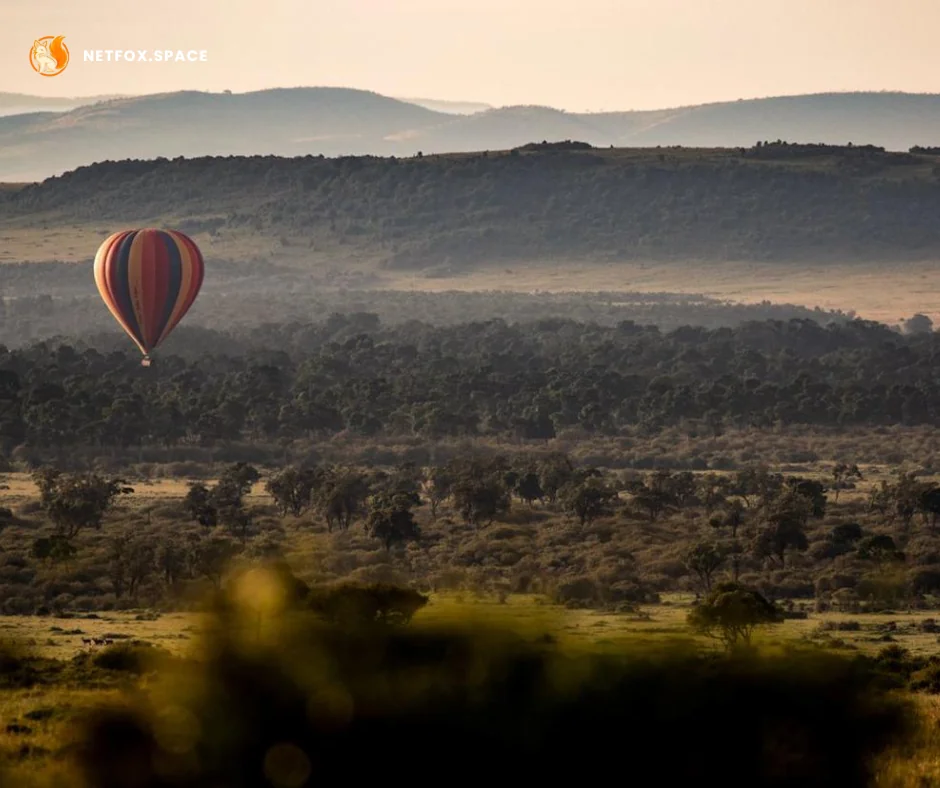
Beyond the visual spectacle of the Big Five lions, leopards, elephants, buffalo, and rhinos the true value of the safari lies in environmental literacy. Professional guides now incorporate lessons on tracking, spoors, and ecosystem interconnectedness into their daily routines. Witnessing predator-prey dynamics and the realities of the food chain provides a visceral education that traditional classrooms cannot replicate. This exposure often fosters a lifelong commitment to global conservation efforts and a deeper understanding of biodiversity.
 Balancing luxury amenities with authentic wilderness immersion
Balancing luxury amenities with authentic wilderness immersion
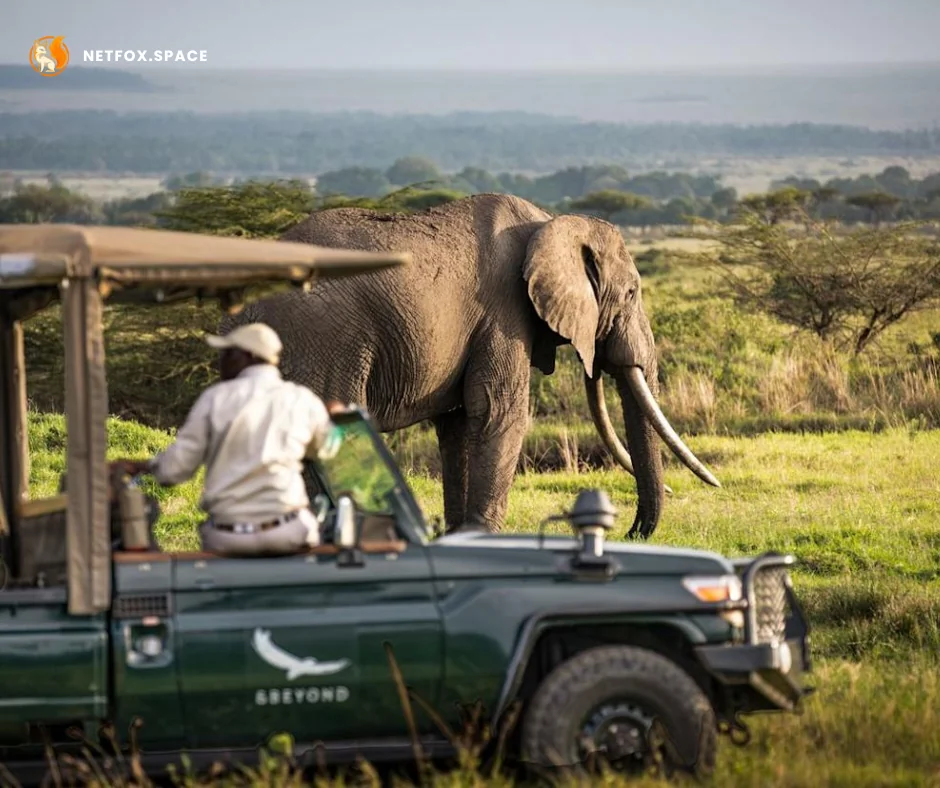
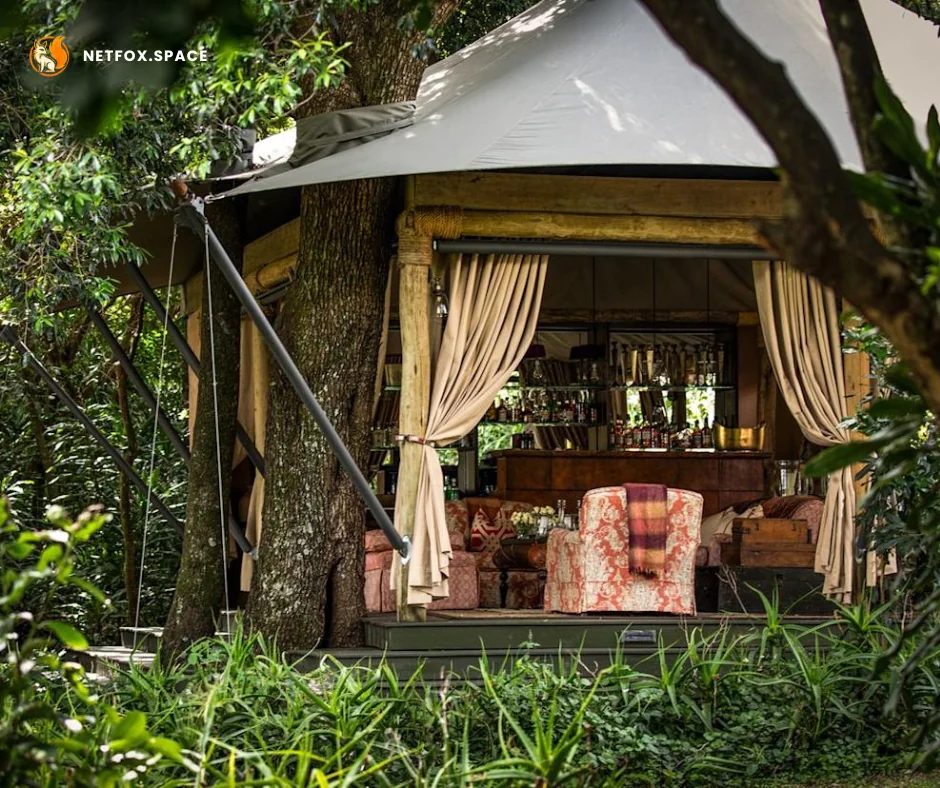
Modern safari lodges have evolved to bridge the gap between rugged adventure and high-end comfort. Families now have access to multi-bedroom villas, private pools, and dedicated "bush chefs" who can cater to specific dietary needs. These amenities allow parents to manage the exhaustion that comes with early 5:00 AM wake-up calls while ensuring children remain comfortable. The integration of "Kids' Clubs" that focus on traditional craft-making and local culture ensures that the cultural heritage of the region is respected and shared, rather than just the wildlife.
 Long-term implications for global tourism trends
Long-term implications for global tourism trends
The rise of the family safari marks a significant turn in the global tourism industry toward sustainable, high-value, low-impact travel. As travelers increasingly seek out experiences that offer both personal growth and ecological responsibility, the African safari industry is positioned to become the gold standard for multi-generational engagement. The ultimate question for the industry remains how to scale this growth while maintaining the delicate balance of the ecosystems that make these journeys possible.
Comments (0)
Please login to comment
Sign in to share your thoughts and connect with the community
Loading...