
Apple MacBook Neo and OLED MacBook Air Roadmap Insights

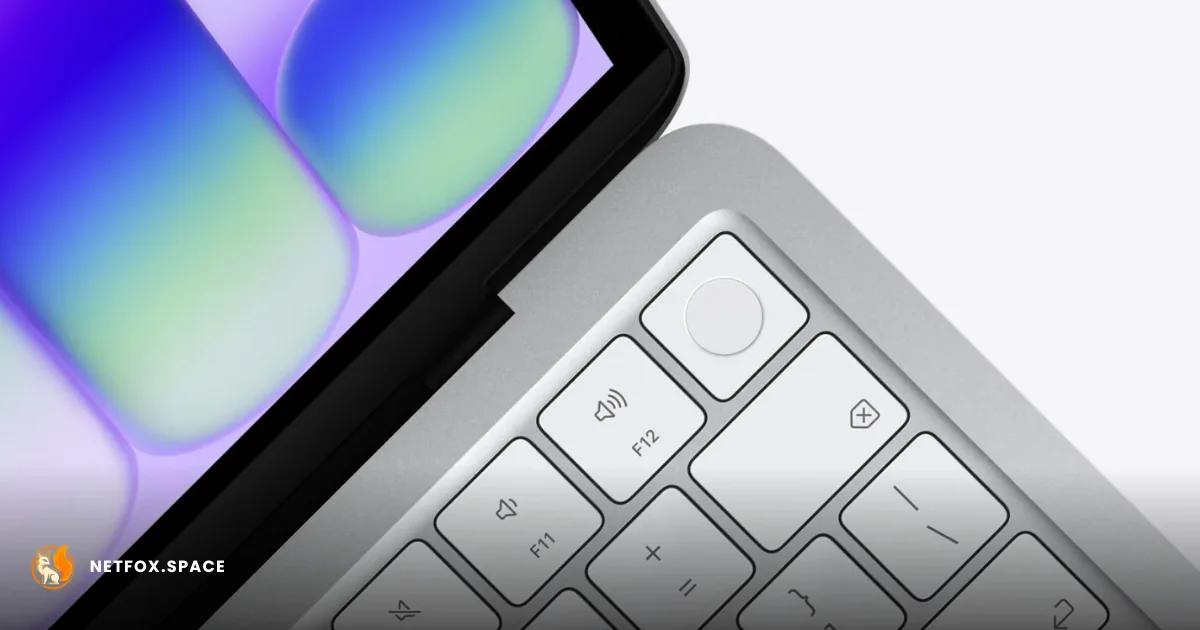
Apple targets massive MacBook Neo volume for 2026 launch
Renowned supply chain analyst Ming-Chi Kuo of TF International Securities has released new data regarding Apple’s upcoming "MacBook Neo." This device represents a significant departure from traditional design, reportedly featuring a touchscreen interface a first for the company’s laptop line.
Initial shipment estimates for the MacBook Neo are set between 6 million and 7 million units for its debut year in 2026. This aggressive volume suggests that Apple does not view the Neo as a niche experimental product, but as a primary driver of the consumer electronics upgrade cycle.
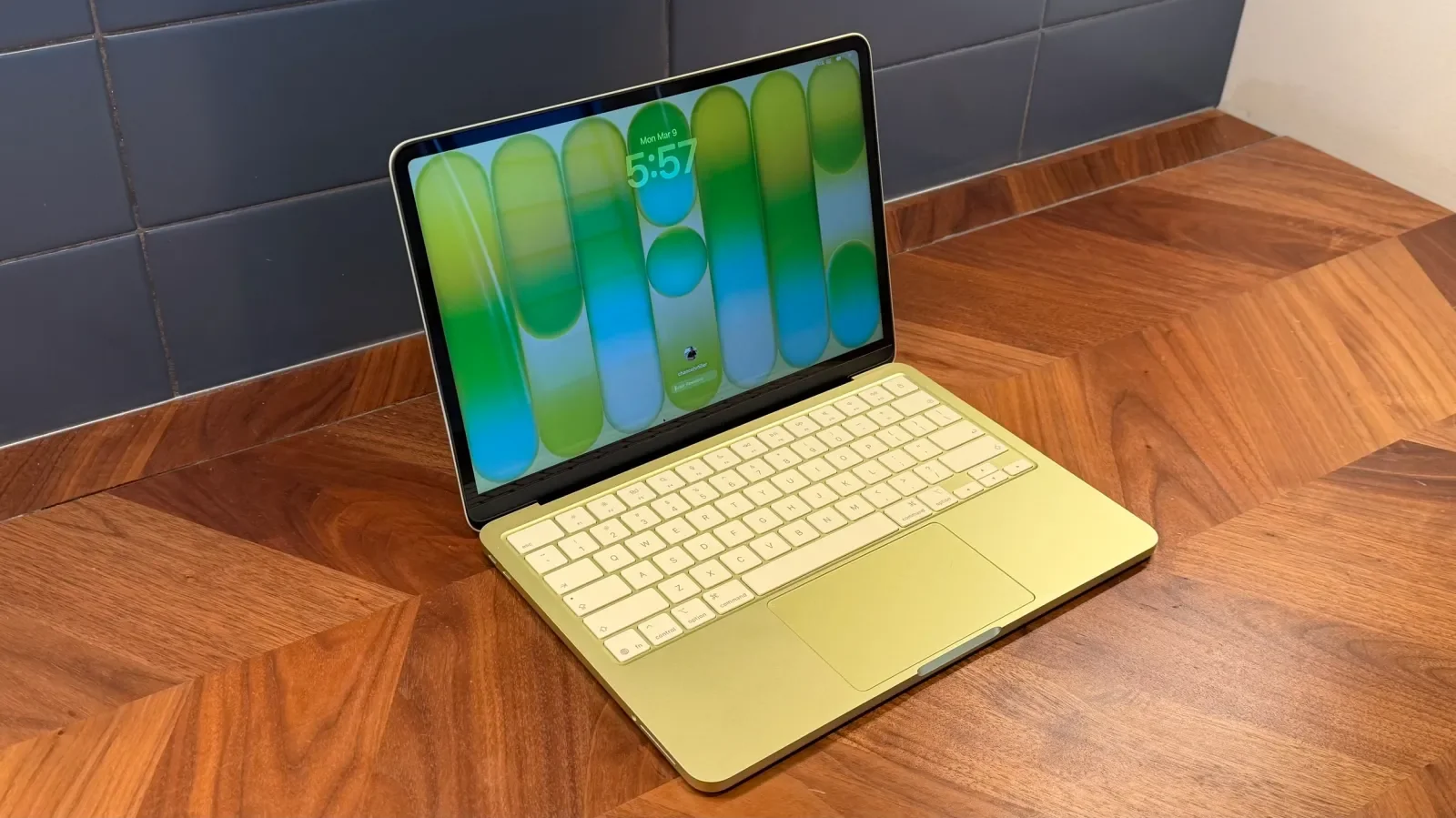
OLED MacBook Air faces production pushback to 2027
While the touchscreen transition accelerates, the much-anticipated transition to Organic Light-Emitting Diode (OLED) technology for the MacBook Air has encountered a setback. Originally rumored for a 2026 release, Kuo indicates that mass production has been deferred to 2027.
The delay is attributed to the high cost of OLED panels and the technical challenge of maintaining the Air’s thin profile while integrating new display architecture. This leaves the current M3 and upcoming M4 Liquid Retina models as the flagship offerings for the medium-term market.
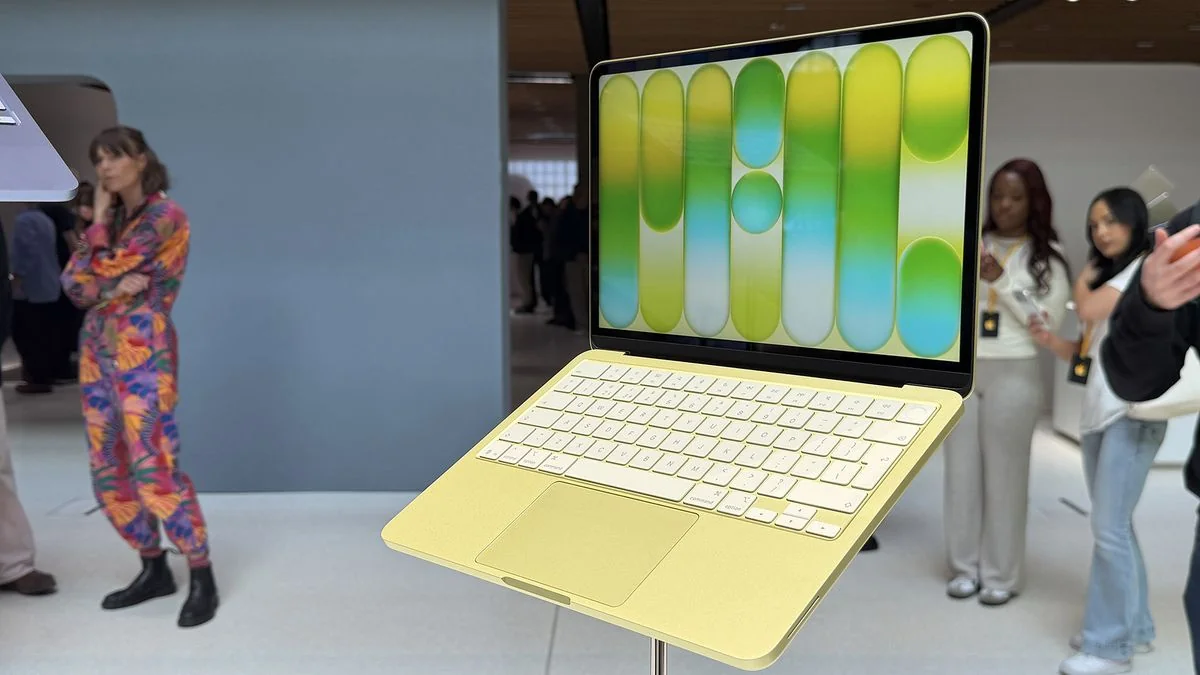
The Cannibalization Risk: Why Neo Precedes OLED Air
Most market reports focus solely on the technical specs of these devices, but the timing of these releases reveals a calculated defensive strategy by Apple Inc. to protect its profit margins. By launching the MacBook Neo in 2026 while delaying the OLED MacBook Air, Apple is intentionally creating a "feature gap."
If Apple released a cheaper, OLED-equipped MacBook Air at the same time as a premium touchscreen MacBook Neo, the Air would likely cannibalize Neo sales due to the visual appeal of OLED at a lower price point. By staggering the releases, Apple forces early adopters and power users toward the higher-margin Neo, ensuring the new product category gains a foothold before the "standard" Air receives its most significant visual upgrade in a decade.
Structural shifts in the global display supply chain
The revised timeline creates a ripple effect across the semiconductor and display industries, specifically affecting partners like Samsung Display and LG Display. These manufacturers have been scaling up "8.6-generation" OLED production lines specifically for IT products in anticipation of Apple's transition.
The 2027 delay for the Air model suggests that yields for large-scale OLED panels remain insufficient to meet Apple’s pricing requirements for mass-market laptops. Consequently, the industry may see a temporary oversupply of OLED panels in 2026, potentially benefiting competitors who are quicker to adopt the technology in the Windows PC ecosystem.
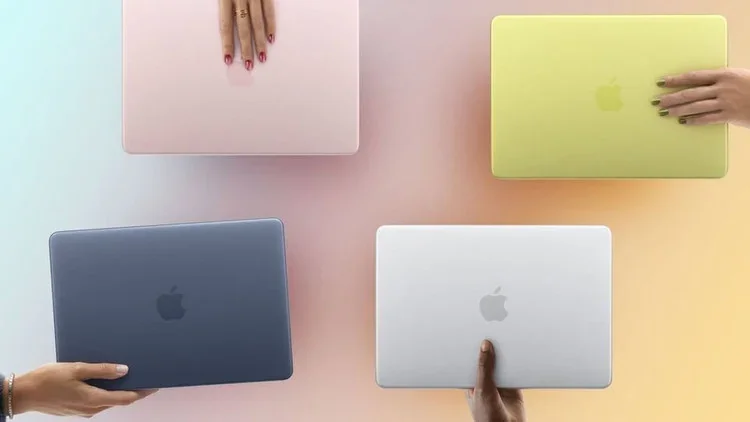
Projected Apple Silicon Laptop Evolution (2025–2027)
| Feature / Model | MacBook Pro (M4/M5) | MacBook Neo | MacBook Air (OLED) |
|---|---|---|---|
| Primary Innovation | Performance / Tandem OLED | Touchscreen / Form Factor | Display Efficiency / Weight |
| Est. Launch | Late 2024 / 2025 | 2026 | 2027 |
| Target Segment | Creative Professionals | "Prosumers" & Early Adopters | Students / General Users |
| Display Tech | Mini-LED / OLED | Variable | Single-stack OLED |
Future trajectory of the macOS ecosystem
The introduction of the MacBook Neo confirms that Apple is finally bridging the gap between iPadOS and macOS. This shift necessitates a structural overhaul of the software interface, which has historically resisted touch input in favor of precision trackpad navigation.
As developers begin optimizing apps for a dual-input environment, the traditional laptop form factor faces its most significant identity crisis since the introduction of the Retina display. The success of this transition depends entirely on whether the "Neo" branding signifies a new tier of computing or a total replacement for the existing MacBook Pro aesthetic.
Comments (0)
Please login to comment
Sign in to share your thoughts and connect with the community
Loading...