

Rapid Market Withdrawal of the Triple-Fold Flagship
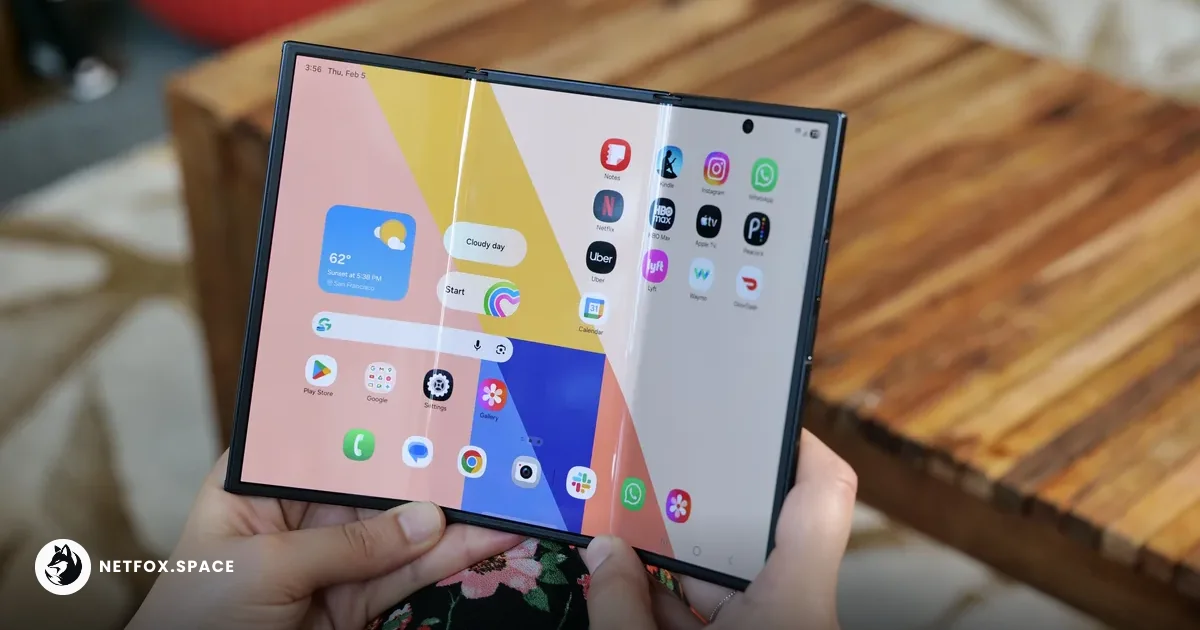
On March 18, 2026, Samsung Electronics officially halted global sales of the Galaxy Z TriFold, a premium $2,800 device featuring a dual-hinge, triple-display architecture. Launched less than 90 days ago, the device represented the South Korean conglomerate’s bid to dominate the ultra-premium "tablet-to-phone" hybrid category.
Retail partners in North America, Europe, and Asia have been instructed to remove display units immediately. While the company has not issued a formal "recall" in the style of the 2016 Note 7 crisis, it has paused all new shipments, citing a need for "comprehensive structural optimization."
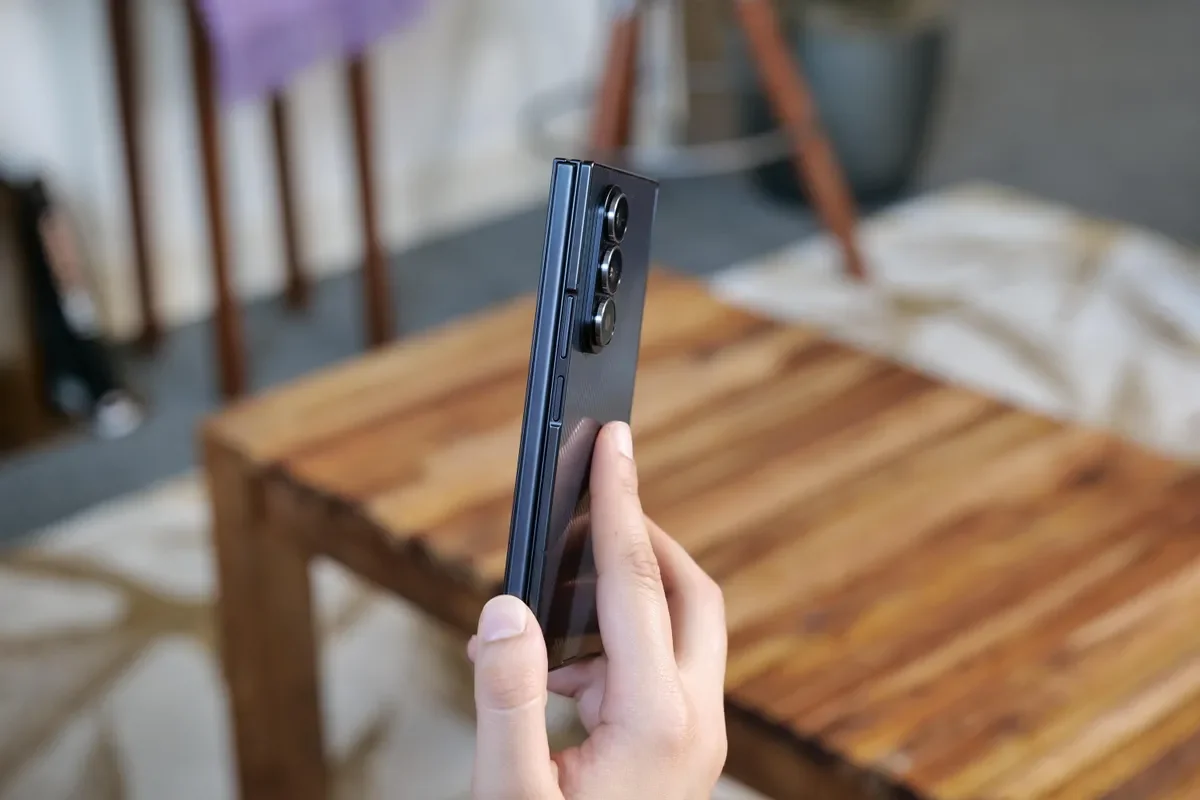 The TriFold is 12.9mm thick when closed, which CNET reviewer Abrar Al-Heeti says "can feel a little clunky."
Immediate Consumer Response and Warranty Liabilities
Early adopters report a significant failure rate regarding the device’s "inner-flex" hinge system, which relies on a complex series of micro-gears to support a 10.2-inch continuous display. Reports of "micro-fracturing" at the secondary fold point began surfacing in late February, primarily in colder climates where OLED flexibility is naturally compromised.
Third-party insurance providers have seen a 400% spike in claims related to display delamination on the Z TriFold compared to the standard Z Fold series. This surge in warranty liability poses a direct threat to the mobile division's Q1 and Q2 margins, as the cost of out-of-warranty screen replacements exceeds $900 per unit.

The Yield-Durability Paradox: What Competitors Are Not Discussing
While industry analysts focus on hinge failure, the underlying crisis involves Ultra Thin Glass (UTG) yield rates. Sources within the display panel industry indicate that Samsung’s current manufacturing process for triple-fold panels suffers from a yield rate below 40%, making the device commercially unviable at scale.
Unlike dual-fold devices, a triple-fold architecture subjects the central panel section to bidirectional tension stretching on one side and compressing on the other. This "opposing force" fatigue was underestimated in lab environments that did not account for the high-frequency folding patterns of power users who utilize the device as a primary workstation.
Systemic Risk to the Foldable Smartphone Sector
The suspension of the Z TriFold creates a vacuum in the high-end mobile hardware market, potentially damaging consumer confidence in the "Tri-Fold" form factor across all brands. This move directly benefits competitors like Huawei and Honor, who are currently scaling their own multi-fold solutions.
There is a significant risk that the foldable smartphone category may bifurcate into "stable" dual-folds and "experimental" multi-folds, with the latter relegated back to concept status. This retreat could delay the broader industry's transition to foldable-only flagship lineups by at least two fiscal years as standards for hinge longevity are rewritten.

Critical Timeline of the Z TriFold Lifecycle
| Date | Milestone | Status |
|---|---|---|
| Dec 15, 2025 | Global Launch | Commercial Release |
| Jan 20, 2026 | First reports of "crease fatigue" | Investigation Initiated |
| Feb 12, 2026 | Firmware update to limit fold speed | Soft Mitigation |
| Mar 05, 2026 | Supply chain halts panel production | Internal Stop |
| Mar 18, 2026 | Full sales suspension | Market Exit |
Forward Structural Consequences
Samsung now faces a strategic crossroads: re-engineer the existing chassis or abandon the triple-fold format until 2027. The financial fallout extends to Samsung Display, which had allocated significant production lines to the Z TriFold's unique panels. If the hardware flaws are found to be fundamental to the chemistry of the flexible substrates, the entire roadmap for foldable tablets across the consumer electronics industry will require a massive technological pivot toward new composite materials.
Comments (0)
Please login to comment
Sign in to share your thoughts and connect with the community
Loading...