


Expansion of Generative Intelligence in Workspace Core
Google has officially deployed a significant update to its Google Workspace ecosystem, integrating Gemini capabilities directly into Docs, Sheets, Slides, and Drive. This rollout transitions the AI from a sidebar experimental feature to a foundational layer of the user interface. In Google Docs, the update introduces enhanced contextual drafting, while Google Sheets receives automated data classification and formula generation. These tools are designed to reduce manual "drudge work," allowing users to synthesize information from disparate files within the biotech, finance, and legal sectors more efficiently.
Technical Synchronization Between Drive and Creation Tools
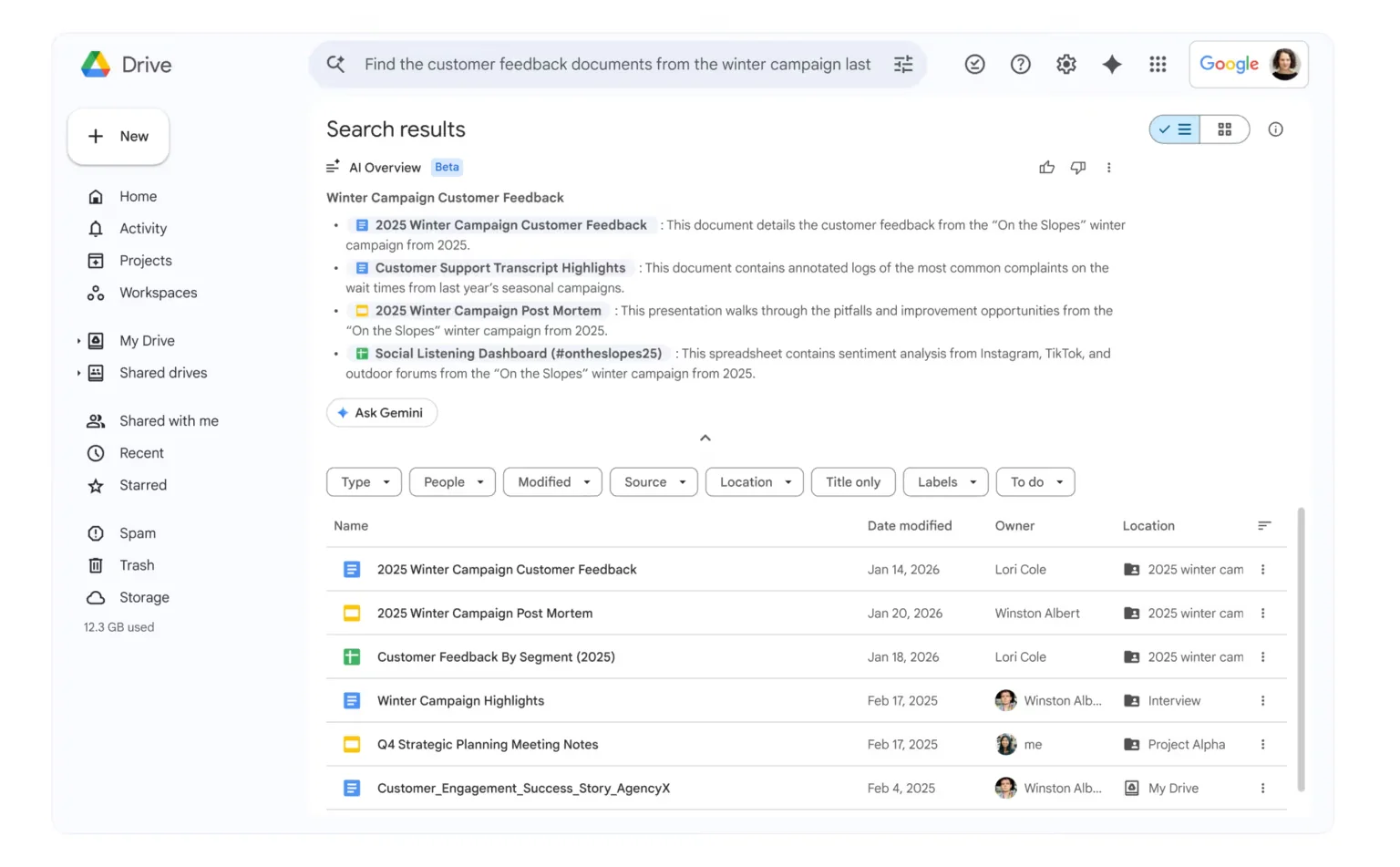
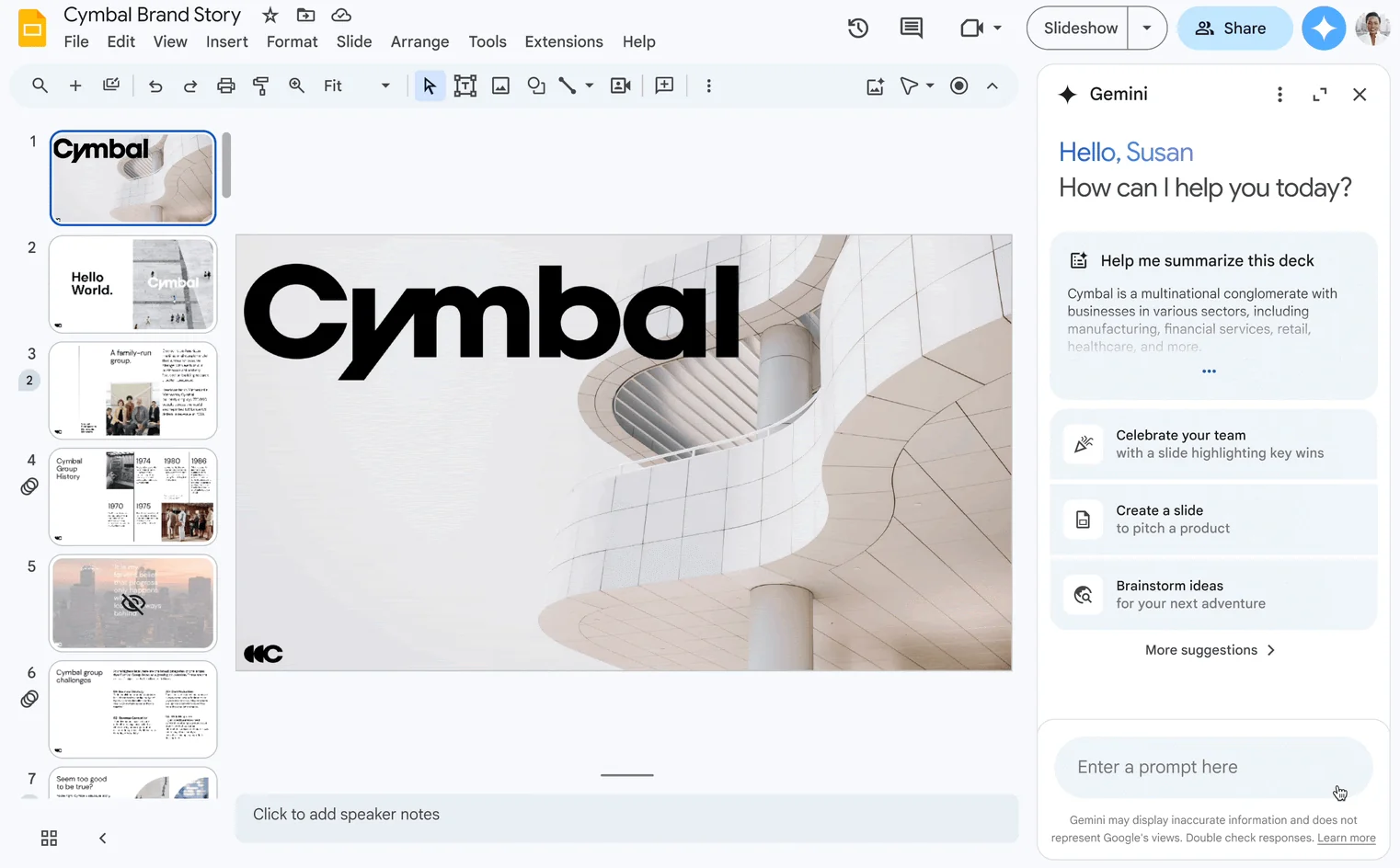
The integration provides a seamless bridge between file storage and content generation. Within Google Drive, Gemini can now analyze the content of multiple PDF and text documents to generate executive summaries without the user opening individual files. This structural change targets the "information silos" often found in large-scale corporate environments. In Google Slides, the AI now supports advanced image generation and slide-deck outlining based on brief textual prompts, leveraging the Imagen 3 model architecture to improve visual fidelity and brand consistency.
The Semantic Shift: Moving Beyond Generative Text
While many competitors focus on simple text generation, this update introduces a "semantic understanding" layer that distinguishes it from basic LLM wrappers. Google is leveraging its proprietary Knowledge Graph to ensure that when Gemini operates within Google Sheets, it understands the relationship between entities such as identifying that a list of names refers to specific corporate clients rather than generic strings. This technical mechanism allows for "Smart Fill" capabilities that can predict and populate data based on inferred patterns rather than just explicit instructions, a critical advantage for data-heavy industries.
Competitive Pressure and the Enterprise AI Race
The timing of this rollout reflects the intensifying competition between Google Cloud and Microsoft 365 Copilot. By embedding AI into the free and business tiers of Workspace, Google is attempting to defend its market share in the collaborative software sector. The primary differentiation here is the speed of retrieval; because Google owns the indexing infrastructure of Drive, the latency for AI-assisted file searching is significantly lower than third-party integrations. This move forces a shift in the "productivity tax" model, where AI is no longer an add-on but an expected standard of enterprise software.
| Feature | Primary Function | Key Benefit |
|---|---|---|
| Docs Integration | Contextual "Help me write" | Narrative structure generation |
| Sheets Automation | Conditional formatting & Labelling | Automated data cleansing |
| Drive Synthesis | Multi-file interrogation | Rapid cross-document analysis |
| Slides Visuals | Imagen-powered asset creation | Rapid prototyping of presentations |
Structural Risks and the Data Privacy Paradox
As Gemini gains deeper access to sensitive organizational data within Drive, the focus shifts toward the regulatory implications of "AI data leakage." Although Google maintains that enterprise data is not used to train its foundation models, the increased autonomy of the AI in handling internal documents raises new questions for Information Security (InfoSec) teams. Organizations must now navigate the tension between the productivity gains of automated synthesis and the potential for AI-generated hallucinations to be codified into official corporate records. This tension is expected to drive a surge in demand for localized AI governance frameworks as the line between human-authored and AI-synthesized content continues to blur.
Comments (0)
Please login to comment
Sign in to share your thoughts and connect with the community
Loading...