

The Collision of DAG Titans: BlockDAG and Keeta
As of March 1, 2026, the blockchain sector has moved beyond the "Solana vs Ethereum" narrative into a specialized competition for high-velocity transaction throughput. BlockDAG (BDAG) has officially confirmed its public exchange debut for March 4, 2026, following a multi-year presale that reportedly raised over $450 million. While BlockDAG aims to bridge Proof-of-Work (PoW) security with a DAG framework achieving 15,000 TPS, it faces a formidable technical challenger in Keeta Network.
Keeta, a Layer-1 blockchain backed by former Google CEO Eric Schmidt, emerged from stealth in 2025 with a "hybrid DAG" architecture. In a verified stress test conducted on Google Cloud Spanner, Keeta achieved a sustained 11.1 million transactions per second (TPS). This leap in performance shifts the focus from "fast" blockchains to "limitless" ledger systems capable of handling the entire global volume of traditional payment networks like Visa and Mastercard.
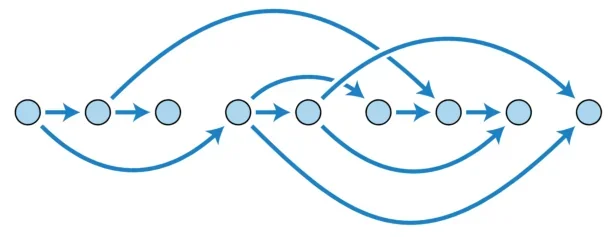 The architecture of a DAG. Each arrow is a transaction.
The Institutional Pivot to DAG Architectures
The immediate impact of these high-TPS networks is the obsolescence of traditional linear block-mining for industrial use cases. Unlike standard blockchains where transactions wait in a "mempool" for the next block, a Directed Acyclic Graph allows for parallel processing. In a DAG, transactions act as vertices that confirm previous transactions, creating a web-like structure that grows more efficient as network activity increases.
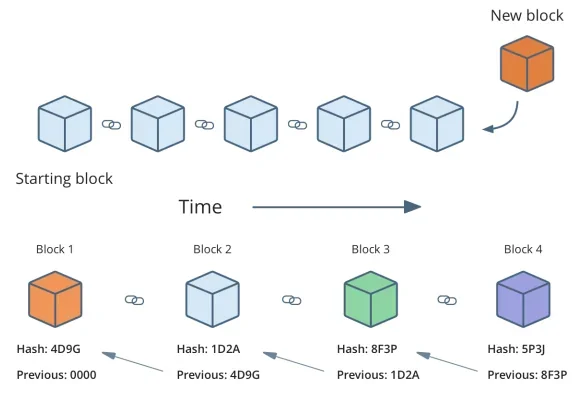 The architecture of a blockchain. Blockchain technology currently powers the vast majority of cryptocurrencies, including BTC, ETH, XRP, SOL, XLM,...
For retail and institutional users, this efficiency is manifesting in sub-second finality. However, the surge in speed necessitates a corresponding evolution in how users interact with their assets. To manage high-frequency transactions securely, many early adopters are shifting away from traditional Externally Owned Accounts (EOA). The industry is seeing a significant evolution in crypto account ownership toward AA wallets, which allow for programmable security features that can keep pace with 11M TPS environments.
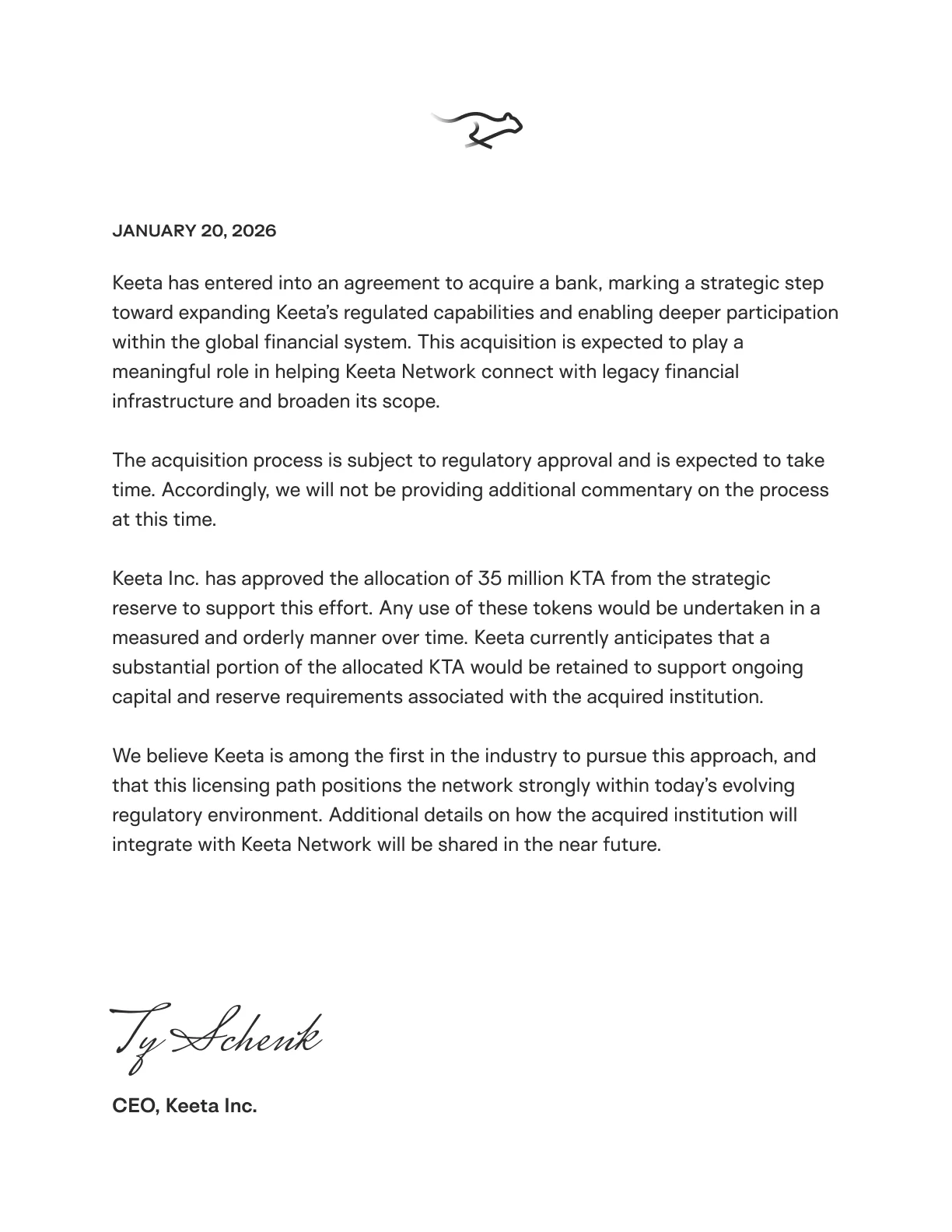 Keeta is expanding its capabilities.
The Cloud-Native Shift: Why Hardware No Longer Limits TPS
The differentiation of the 2026 cycle is the "Cloud-Native" ledger. Previous generations of blockchains were limited by the hardware capacity of individual nodes. Keeta Network has broken this bottleneck by building its distributed ledger atop Google Cloud’s horizontally scalable Spanner database. This represents a fundamental structural shift: the blockchain is no longer a isolated software stack but an elastic infrastructure that scales linearly with cloud resources.
Critics argue that this reliance on cloud giants like Google or Amazon compromises decentralization. However, Keeta utilizes a two-step voting process and a decentralized network of representatives to maintain consensus. This "Virtual DAG" design allows each user account to essentially function as its own chain, eliminating the global state contention that plagues networks like Ethereum. The result is a system that behaves like a decentralized protocol but performs with the efficiency of a centralized server.
Systemic Implications for the Global Payment Sector
The arrival of 11M+ TPS networks creates significant financial exposure for traditional FinTech firms. If Keeta or BlockDAG can sustain these speeds with near-zero fees, the $2 trillion cross-border payment industry faces an existential threat. For institutions managing these high-value flows, security remains the primary barrier to entry. This has led to an increased reliance on multisig wallets as the ultimate digital vaults for protecting corporate treasuries against the velocity of automated exploits in high-speed environments.
Furthermore, the semiconductor industry is seeing a shift in demand. The focus is moving from high-hashrate PoW miners to high-bandwidth network interface cards and specialized memory chips capable of processing millions of "micro-confirmations" per second. The "TPS Wars" are effectively forcing a hardware-software co-design across the entire tech stack.
What Happens Next: The March 4 Litmus Test
The immediate focus for the market is the BlockDAG launch on March 4. Following numerous extensions and a leadership change in late 2025—which saw Nic van der Bergh take over as CEO—the project must now prove its 15,000 TPS claims in a live, adversarial environment. If the launch successfully absorbs the expected "presale sell-off" without network congestion, it will validate the hybrid PoW-DAG model.
Simultaneously, Keeta faces regulatory scrutiny regarding its institutional tie-ins and its "on-chain compliance" protocols, which include native KYC and AML features. As these networks move from testnets to global rails, the tension between raw performance and regulatory adherence will define which protocol becomes the backbone of the next-generation financial system.
References:
-
Google Cloud Blog
-
MEXC News
-
Chainspect Real-Time TPS Dashboard
Comments (0)
Please login to comment
Sign in to share your thoughts and connect with the community
Loading...