
Next-Gen Gaming Laptop Prices to Surge Amid Component Shifts


The Convergence of Advanced Silicon and OLED Standards
The upcoming generation of high-end portable machines is defined by a transition toward NVIDIA Blackwell architecture and Intel Arrow Lake processors. These components represent more than a seasonal performance bump; they integrate dedicated AI processing units that require sophisticated thermal management systems.
Simultaneously, the industry is abandoning traditional IPS panels in favor of 240Hz and 480Hz OLED displays. While providing superior contrast ratios and response times, these panels remain significantly more expensive to manufacture at scale, effectively raising the floor for "enthusiast-grade" pricing.
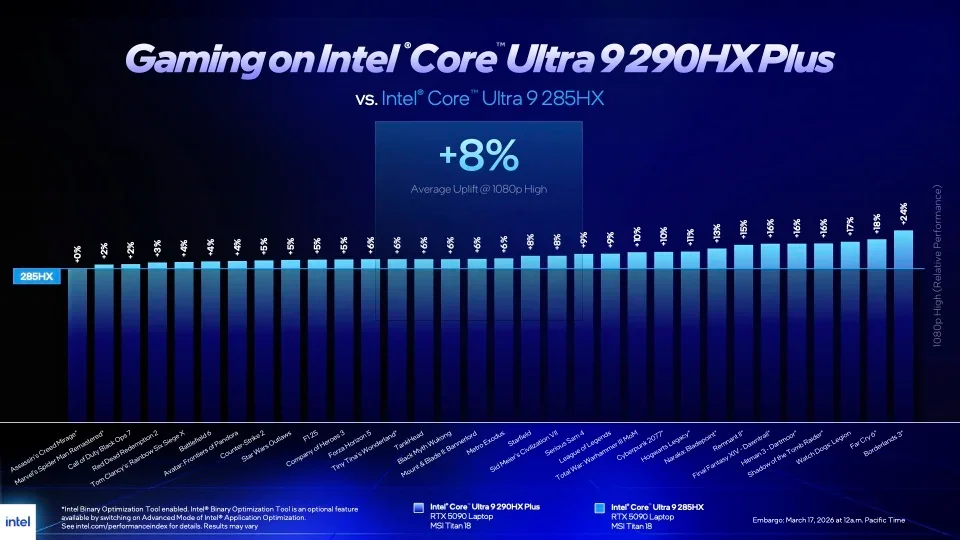 The new Intel Core Ultra 9 290Hx Plus chip offers slight increases in game performance over last year’s flagship. © Intel
Supply Chain Realities and Escalating Bill of Materials
The increase in retail prices is a direct reflection of a ballooning Bill of Materials (BOM). Manufacturers like Razer, ASUS, and MSI are navigating a landscape where the cost of high-density GDDR7 memory and advanced cooling solutions such as vapor chambers and liquid metal TIMs has risen.
Market data suggests that the entry-point for a flagship-tier laptop, which previously sat around 3,000, is drifting toward the 4,000 range. This shift is exacerbated by global logistics volatility and the concentration of high-end chip fabrication within specialized foundries.
Structural Margin Protection in a Saturated Market
What competitors are not discussing is the strategic pivot by OEMs (Original Equipment Manufacturers) toward "Margin over Volume." As the mid-range laptop market becomes increasingly commoditized, brands are intentionally over-specifying high-end models to justify premium price points.
This isn't just about better performance; it is a defensive maneuver against the extended upgrade cycles of consumers. By packing machines with 4K OLED panels and overkill RAM configurations, manufacturers are attempting to capture the maximum possible lifetime value from a shrinking pool of "prosumer" buyers who are willing to pay a 20-30% "bleeding-edge" tax.
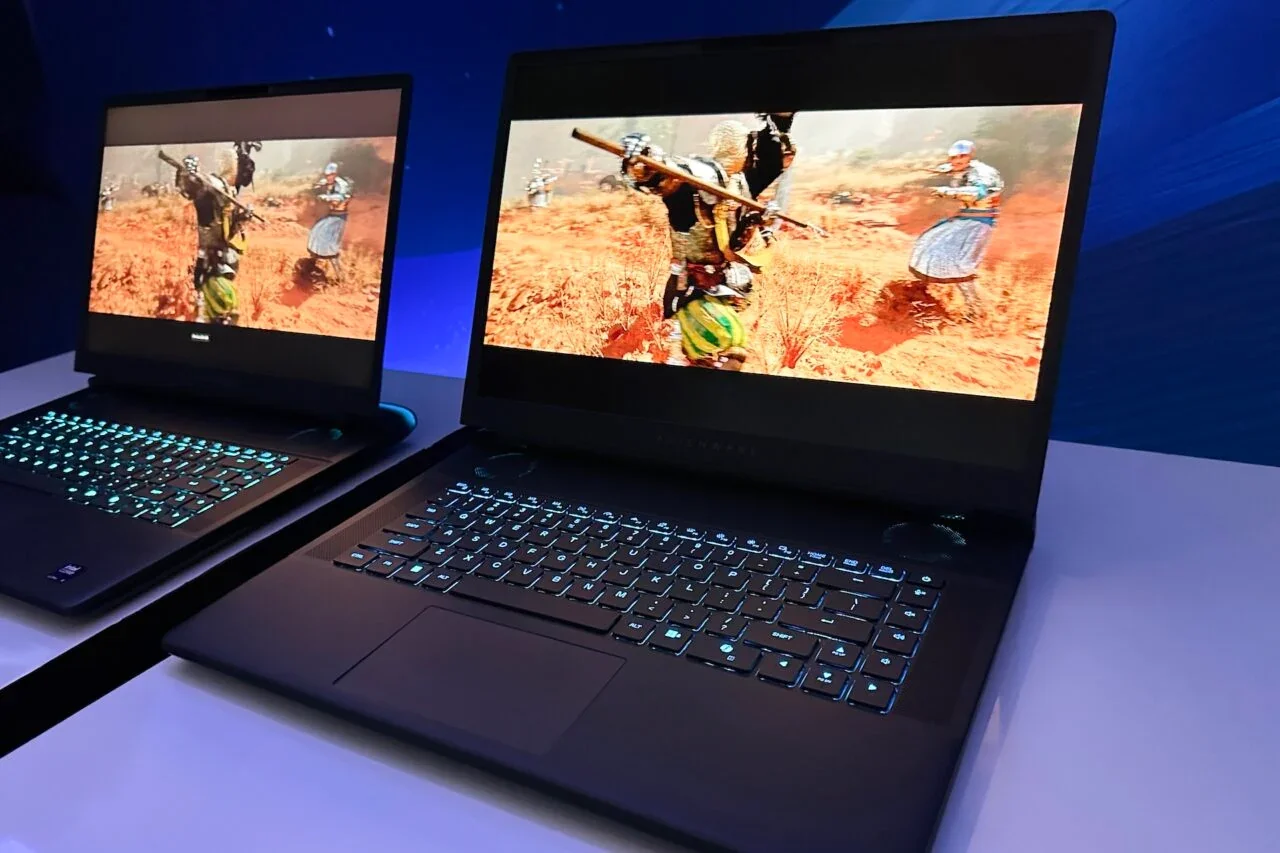 Anti-glare OLED at a peak of 600 nits of brightness seems great until you look at the price Alienware demands for its top-end laptop. © Kyle Barr / Gizmodo
The Bifurcation of the Gaming Hardware Sector
This price hike is creating a permanent rift in the Consumer Electronics sector. We are seeing the death of the "affordable flagship." In previous years, a mid-range GPU paired with a high-end chassis was a common SKU.
Now, the industry is moving toward a tiered ecosystem where high-quality chassis and display tech are gated behind the most expensive GPU options. This leaves budget-conscious gamers with a stark choice: settle for aging display technology or transition entirely to cloud gaming services and consoles, effectively hollowed out the 1,800 "sweet spot."
| Component Shift | Previous Standard | Next-Gen Standard | Impact on MSRP |
|---|---|---|---|
| Display Tech | 165Hz IPS / Mini-LED | 240Hz+ OLED / Tandem OLED | High Increase |
| Memory | DDR5 / GDDR6 | LPDDR5X / GDDR7 | Moderate Increase |
| Cooling | Dual Fan / Heatpipes | Vapor Chambers / Liquid Metal | Incremental |
| AI Integration | Software-based | Dedicated NPU / AI Silicon | High Increase |
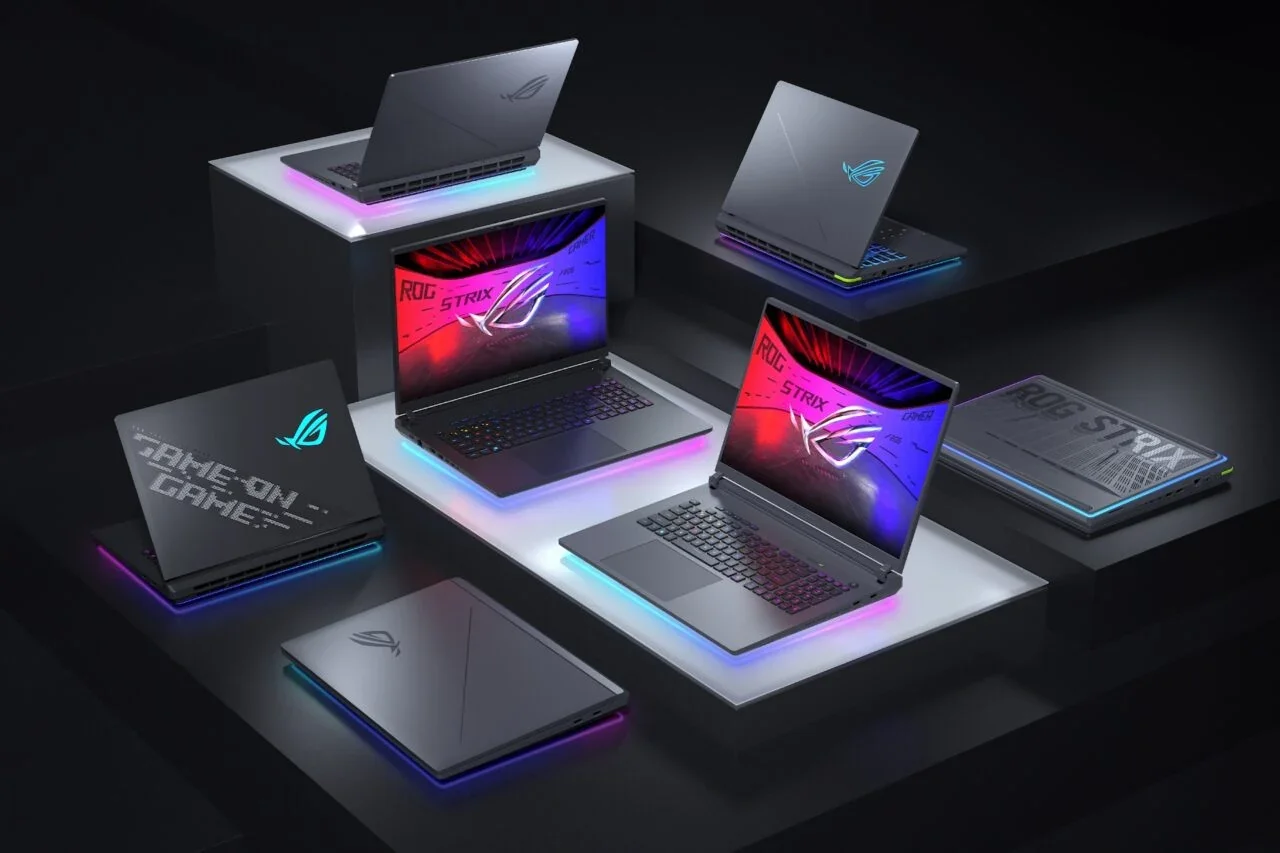 The new Asus ROG Strix family of laptops still has the AniMe lights on the laptop lids. © Asus
Long-term Economic and Technological Risks
The sustainability of this pricing model remains precarious. As laptops approach the $4,000 threshold, they enter the territory of professional workstations and high-end desktop builds, which offer better thermal longevity and upgradeability.
If the semiconductor industry continues to prioritize AI-enterprise silicon over consumer-grade chips, the supply of high-end gaming GPUs may remain constrained, keeping prices artificially inflated. The risk for the sector is a "pricing out" of the younger demographic, potentially stagnating the growth of the PC gaming ecosystem in favor of more accessible, closed-platform hardware.
Comments (0)
Please login to comment
Sign in to share your thoughts and connect with the community
Loading...