

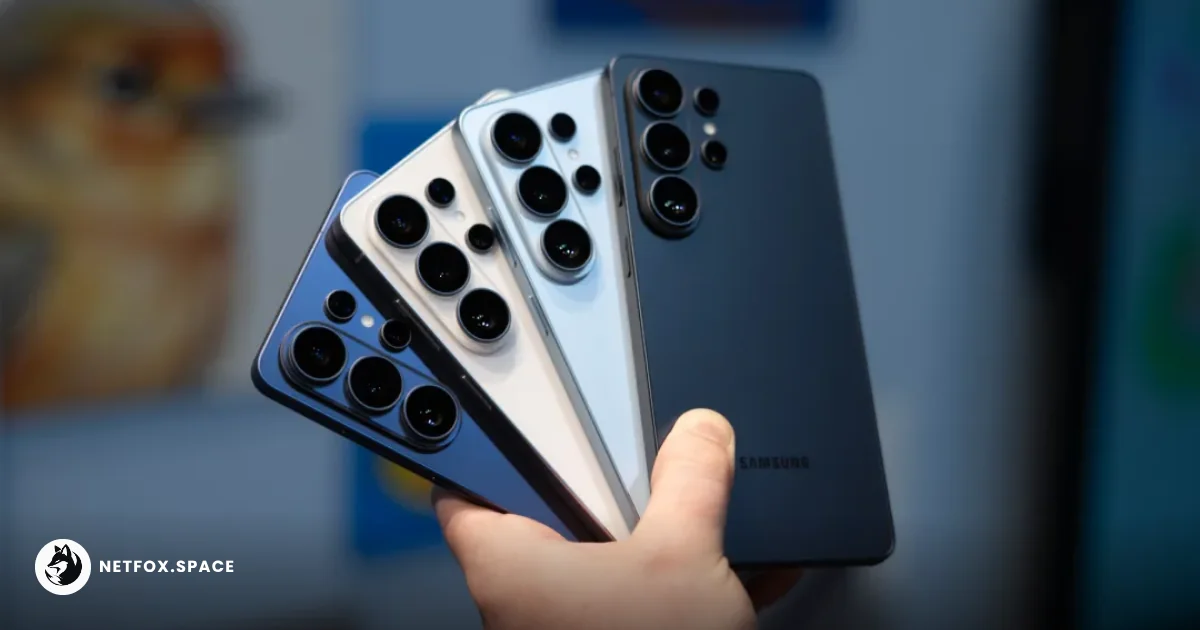
Deployment of Cross-Platform File Sharing Architecture
The Samsung Electronics mobile division has confirmed the integration of native AirDrop support within its upcoming Galaxy S26 flagship series. This move marks the first time a major Android manufacturer has licensed or reverse-engineered high-speed, local wireless sharing compatibility with Apple Inc. devices.
Historically, Samsung utilized Quick Share (formerly integrated with Google’s Nearby Share), which operated on a proprietary handshake protocol. The new architecture allows the Galaxy S26 to appear in the AirDrop "Share Sheet" of iPhones and Macs, utilizing a hybrid Bluetooth Low Energy (BLE) and Wi-Fi Direct stack to facilitate peer-to-peer transfers without third-party intermediary apps.
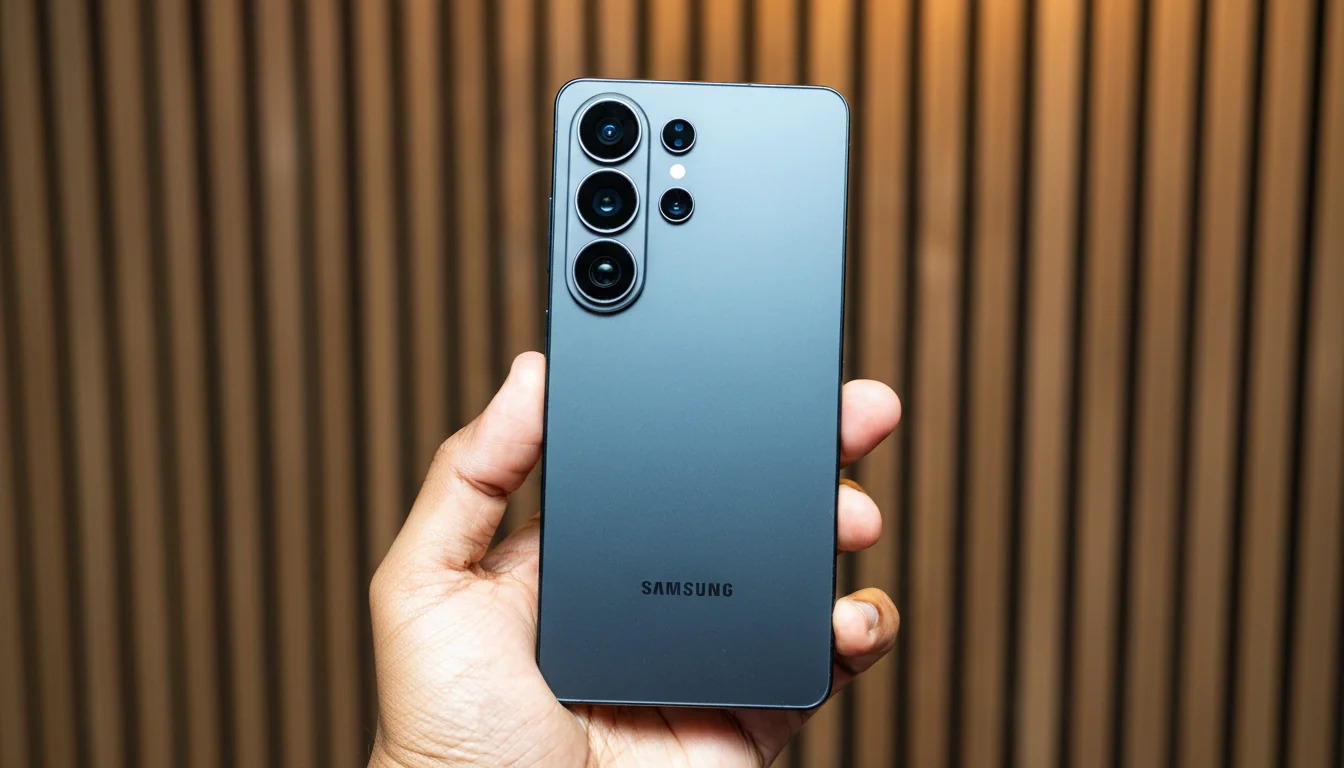 findarticles
Immediate Disruption of the "Walled Garden" Ecosystem
The inclusion of AirDrop functionality addresses one of the most significant friction points in the global smartphone market: cross-platform media degradation. Currently, users often resort to compression-heavy messaging apps or cloud links to move files between Android and iOS.
By adopting the AirDrop standard, Samsung is effectively neutralizing a primary "switching cost" that keeps users tethered to the iOS ecosystem. Initial technical benchmarks suggest that the Galaxy S26 can maintain transfer speeds of up to 480 Mbps, matching the peak performance of the current iPhone 17 Pro lineup.
The "Silent Patent Exchange" and Regulatory Necessity
While this appears to be a consumer-facing feature, the underlying catalyst is likely a combination of European Union Digital Markets Act (DMA) compliance and a quiet cross-licensing agreement between Seoul and Cupertino.
Competitors like Google and Xiaomi have yet to announce similar integrations, leaving Samsung in a unique position. This move suggests that Samsung is no longer content with being the "alternative" to iPhone; it aims to be a peer-level participant in the same communication infrastructure. By adopting AirDrop, Samsung gains access to the social graph of younger demographics where "AirDrop-only" sharing habits have historically marginalized Android users.
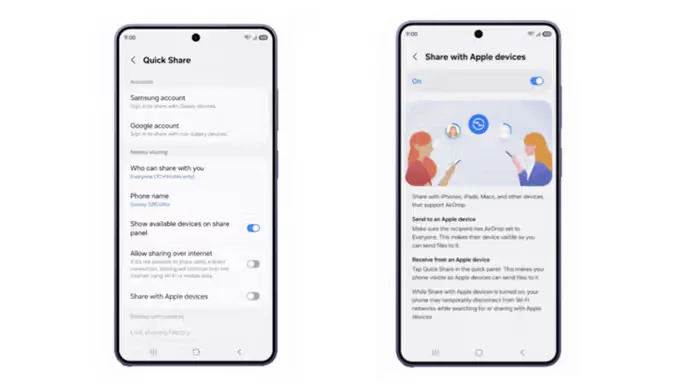 Design - Front Side
Strategic Realignment of the Semiconductor and Software Stack
The implementation of this feature requires a specific evolution in the Exynos 2600 and Qualcomm Snapdragon 8 Gen 5 modems. These chips must now manage a broader range of frequency handshakes to emulate the Apple-specific AWDL (Apple Wireless Direct Link) protocol.
Technical Interoperability Comparison
| Feature | Samsung Quick Share (Legacy) | Native AirDrop (Galaxy S26) | Apple AirDrop (Native) |
|---|---|---|---|
| Protocol | Wi-Fi Direct / Bluetooth | AWDL / BLE / Wi-Fi | AWDL / BLE / Wi-Fi |
| Encryption | End-to-End (Samsung) | TLS / Shared Secret | TLS / Shared Secret |
| Visibility | Android Only | Cross-Platform | iOS / macOS Only |
| Max Speed | ~300 Mbps | ~480 Mbps | ~480 Mbps |
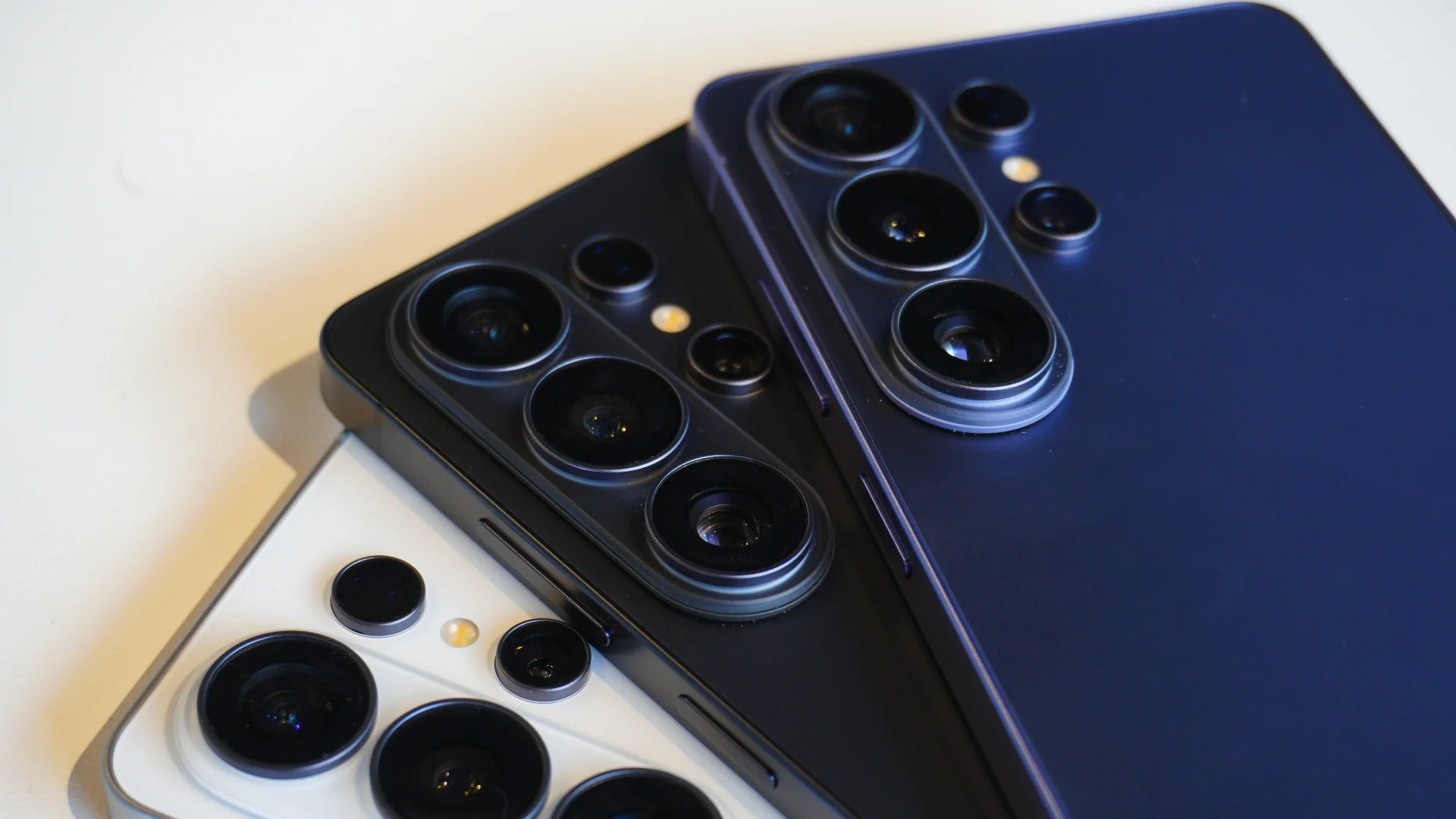 Samsung
Long-Term Shift in Global Mobile Market Dynamics
As the telecommunications sector moves toward increased interoperability, the value proposition of "ecosystem lock-in" is rapidly depreciating. Samsung’s decision to bridge the gap suggests a future where hardware is judged solely on physical specifications and AI capabilities rather than exclusive software silos.
This integration poses a significant threat to Apple’s peripheral retention. If the Galaxy S26 can interact seamlessly with an iPad or a MacBook, the incentive for a consumer to own an iPhone as their primary hub diminishes. However, the success of this rollout depends entirely on whether Apple maintains protocol stability or updates AirDrop to a new, proprietary version to re-establish the barrier.
The burden now shifts to the United States Department of Justice and European regulators to determine if this level of integration should be mandated for all manufacturers, or if Samsung has secured a temporary, exclusive advantage through private negotiation.
Comments (0)
Please login to comment
Sign in to share your thoughts and connect with the community
Loading...