
OnePlus 15T: Snapdragon 8 Elite Gen 5 & 7500mAh Battery Launch

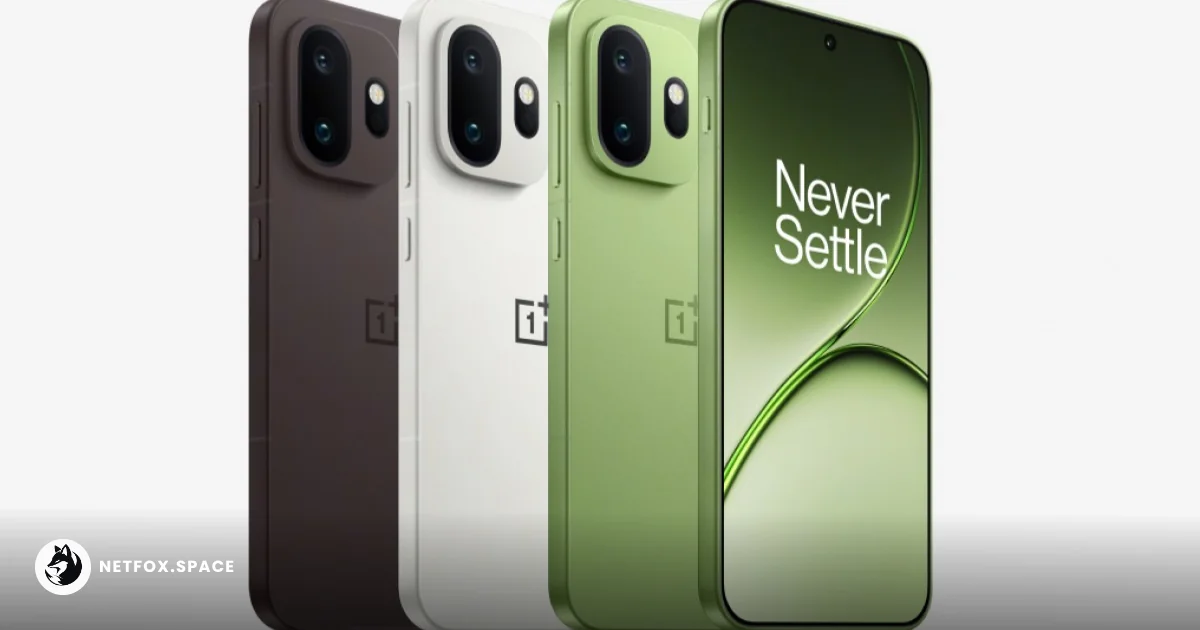
OnePlus 15T Core Development: Shrinking the Frame, Expanding the Cell
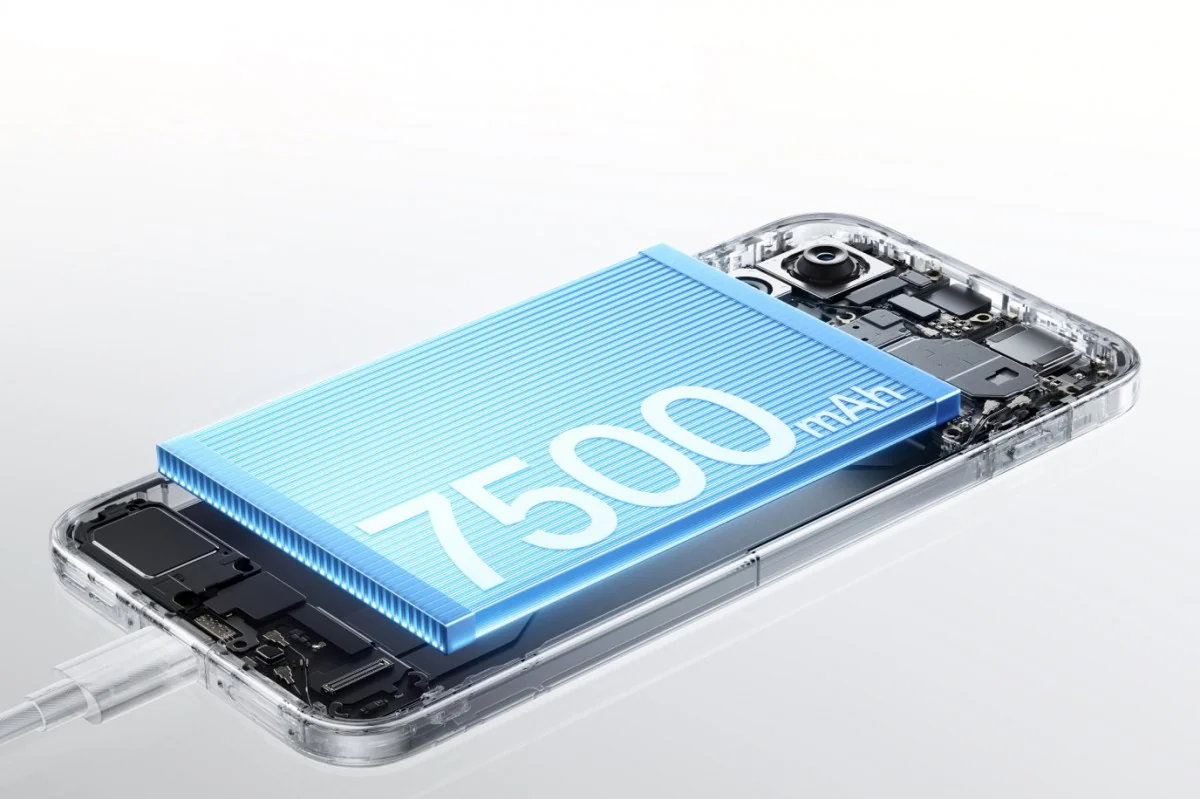
OnePlus has officially launched the OnePlus 15T in China, positioning it as a high-density "compact flagship" that contradicts the industry trend of tying large batteries to massive displays. Despite its 6.32-inch LTPS AMOLED screen, the device houses a staggering 7,500mAh Glacier Battery, achieved through second-generation Silicon-Carbon (Si-C) technology. This specific anode chemistry allows for significantly higher energy density than traditional graphite, fitting nearly 50% more capacity into a chassis that remains just 8.35mm thick and weighs 194g.
The device is powered by the Qualcomm Snapdragon 8 Elite Gen 5, a 3nm chipset that utilizes the 3rd-generation Oryon CPU architecture. With a peak clock speed of 4.74 GHz, the 15T targets the upper echelon of mobile performance, supported by an Adreno 840 GPU and LPDDR5X Ultra Pro RAM.
 OnePlus 15T
Immediate Market Impact: The End of the "Small Phone" Battery Compromise
The launch of the OnePlus 15T addresses the primary pain point of the compact smartphone sector: endurance. By leveraging the Si-C battery, OnePlus claims the device can sustain over 40 hours of video streaming, a figure that rivals or exceeds larger handsets like the iPhone 17 Pro Max or Samsung Galaxy S25 Ultra.
Furthermore, the inclusion of a 165Hz refresh rate on a 6.32-inch panel marks a technical milestone, as high-frequency displays typically drain smaller cells too rapidly for practical use. The OnePlus 15T effectively removes the "battery anxiety" tax previously associated with sub-6.5-inch devices, forcing competitors to re-evaluate their thermal and power management strategies for 2026.
 OnePlus 15T
The Silicon-Carbon Pivot: Why Efficiency Metrics Are Shifting
While the Snapdragon 8 Elite Gen 5 provides the raw processing power, the true innovation lies in the stabilization of the Silicon-Carbon anode. Historically, silicon anodes suffered from physical expansion during charge cycles, leading to structural failure. OnePlus (under the OPPO supply chain) has implemented a stabilized composite that mitigates this swelling while maintaining a theoretical energy density near 600 Wh/kg.
This shift is not merely about capacity; it is about thermal headroom. Because the Si-C battery is more efficient at lower voltages, it generates less heat during high-wattage 100W SuperVOOC charging. This allows the OnePlus 15T to maintain peak charging speeds longer than traditional lithium-ion competitors, which must throttle aggressively to protect the cell’s chemistry from thermal degradation.
Technical Specification Breakdown: OnePlus 15T
| Feature | Specification | Impact |
|---|---|---|
| Processor | Snapdragon 8 Elite Gen 5 (3nm) | 4.45M+ AnTuTu score; Agentic AI support |
| Battery | 7,500mAh Silicon-Carbon (Glacier) | ~40% higher density than standard Li-ion |
| Display | 6.32" 1.5K AMOLED (165Hz) | 3,000 nits peak; 1.1mm symmetrical bezels |
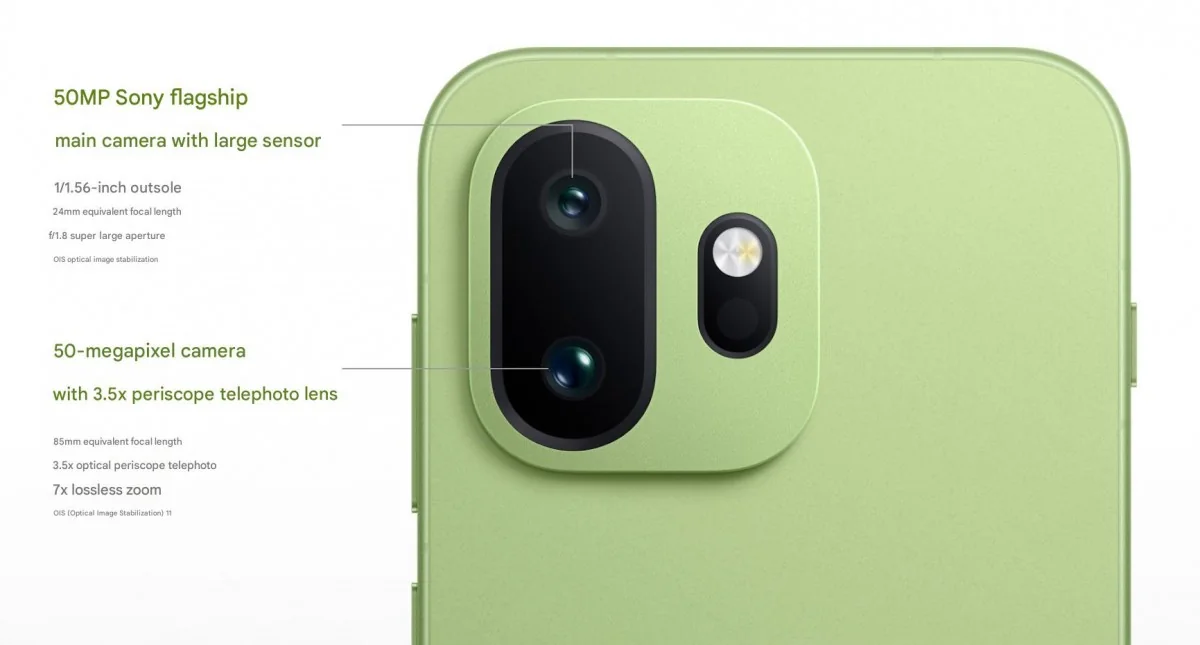
| Camera | 50MP Main + 50MP Periscope (3.5x) | LUMO Imaging engine; 8K/30fps video |
| Durability | IP66 / IP68 / IP69 / IP69K | Highest-tier ingress protection available |
 OnePlus 15s
Sector Implications: Pressure on the Global Duopoly
The arrival of the OnePlus 15T signals a widening gap in battery innovation between Chinese manufacturers and the global leaders, Apple and Samsung. While the latter brands have focused on iterative software optimization and NPU-led efficiency, the BBK Electronics ecosystem which includes OnePlus, OPPO, and Vivo has pivoted toward fundamental material science.
If the OnePlus 15T maintains its 1,000-cycle health rating as claimed, it may render the current 5,000mAh industry standard obsolete by the end of 2026. This puts immediate pressure on the semiconductor industry to provide more granular power-gating, as software can no longer compensate for the sheer hardware advantage of a 50% larger fuel tank in a similar form factor.
 OnePlus 15s
What Happens Next: The Global "S" Rebrand and Pricing
The OnePlus 15T is currently exclusive to the Chinese market, starting at 4,299 Yuan (~$624). Historically, the "T" series undergoes a rebranding for international markets; analysts expect the device to debut in India and Europe as the OnePlus 15s by mid-2026.
However, global consumers should anticipate a significant price hike. The cost of Si-C materials and the premium Snapdragon 8 Elite Gen 5 silicon suggests a global entry point closer to €800 / $850, moving the "T" series away from its value-flagship roots and into a direct confrontation with the standard flagship tier.
The structural consequence of this launch is a new "arms race" in battery density, potentially leading to regulatory shifts as aviation and safety boards re-evaluate the energy-per-volume limits for portable electronics.
Comments (0)
Please login to comment
Sign in to share your thoughts and connect with the community
Loading...