
Viral AI Clawdbot Rebrands as Moltbot After Trademark War

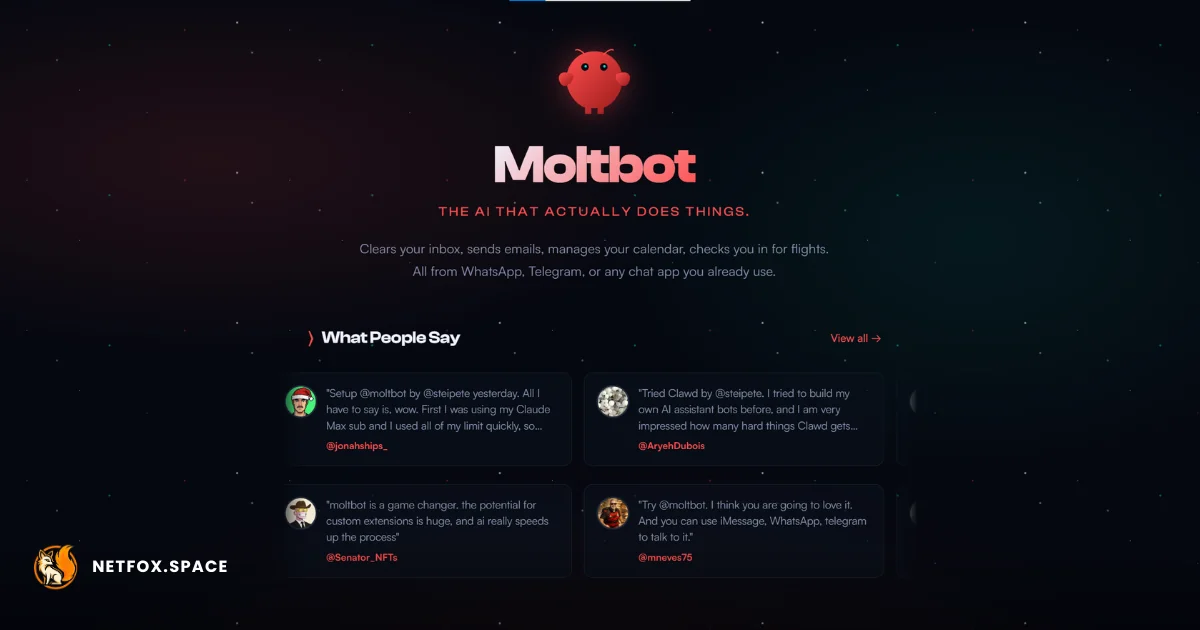
Trademark Clash and Scammer Chaos Force Viral AI "Clawdbot" to Rebrand
The internet’s fastest-growing open-source AI project has officially shed its identity under the weight of corporate legal pressure and a high-speed digital heist. Clawdbot, the agentic AI assistant that gained 60,000 GitHub stars in mere weeks, was forced to rename itself Moltbot on Tuesday after Anthropic—the $18 billion giant behind the Claude LLM—issued a trademark request.
The transition from "Clawd" to "Molty" the lobster was intended to be a playful nod to biological growth, but it quickly spiraled into a security nightmare. During the rebranding process, a 10-second delay in securing the new handles allowed cryptocurrency scammers to hijack the original @clawdbot social media accounts and GitHub organization, leading to a fraudulent token launch that reached a $16 million market cap before crashing.
The "Polite" Email That Ended the Clawd Era
The rebrand was triggered by the striking phonetic and visual similarity between the project’s mascot, a space-lobster named Clawd, and Anthropic's flagship Claude AI. While the project’s creator, retired engineer Peter Steinberger, described the initial reach-out from Anthropic as "polite," the implications were clear: the startup could not allow a viral third-party tool to potentially confuse users into thinking it was an official "Claude" product.
Behind the scenes, the conflict highlights a growing tension in the AI industry. Moltbot is not just a chatbot; it is an "agentic" system designed to act on a user's behalf—clearing inboxes, booking flights, and managing files locally. By forcing the name change, Anthropic has effectively distanced its brand from a tool that some security experts have labeled a "high-privilege risk," despite its massive popularity among tech enthusiasts.
Ten Seconds of Chaos: The Scammer Hijacking
The most dramatic fallout of the name change occurred in the moments between Steinberger releasing the old "@clawdbot" handles and attempting to register the new "@moltbot" identity. Scammers, likely using automated bots, snatched the original username within 10 seconds, immediately using the account's verified-looking history to shill a fake $CLAWD cryptocurrency.
"I messed up the rename and my old name was snatched in 10 seconds," Steinberger admitted on X. "It wasn't hacked—I just released the handle and it was gone."
The resulting chaos saw thousands of unsuspecting followers dive into a Solana-based token scam, believing the project had pivoted to decentralized finance. The developer has since spent the last 24 hours issuing urgent warnings that Moltbot is a non-profit project and will never issue a token.
New Shell, Same "Agentic" Soul
Despite the branding disaster, the core technology of Moltbot remains unchanged. Unlike cloud-locked assistants, it runs a WebSocket-based Gateway directly on a user’s hardware (often a dedicated Mac Mini), allowing it to execute shell commands and control browsers without sending data to a central server.
This "local-first" philosophy is precisely what made the tool go viral. It allows for persistent memory across different messaging platforms like WhatsApp, Telegram, and Discord. Users can text their bot to "find a doctor's appointment in my emails and add it to my calendar," and the agent performs the task autonomously using its integrated "skills."
The Looming Security Debate
While the community has embraced the new name—noting that "molting" is how lobsters grow—the rebrand has not silenced critics. Security researchers have identified hundreds of publicly exposed Moltbot gateways on the internet, many with unauthenticated access to the host's file system.
As the project scales and moves past its "Clawd" roots, the focus is shifting from trademark disputes to the safety of autonomous agents. The next version of the software is expected to include more robust cryptographic device pairing, a necessary step as the tool evolves from a "nerdy experiment" into a serious contender for the future of personal digital agency.
References: Moltbot.
Comments (0)
Please login to comment
Sign in to share your thoughts and connect with the community
Loading...