
Google’s 2026 Strategy: The Rise of the AI "Everything App"

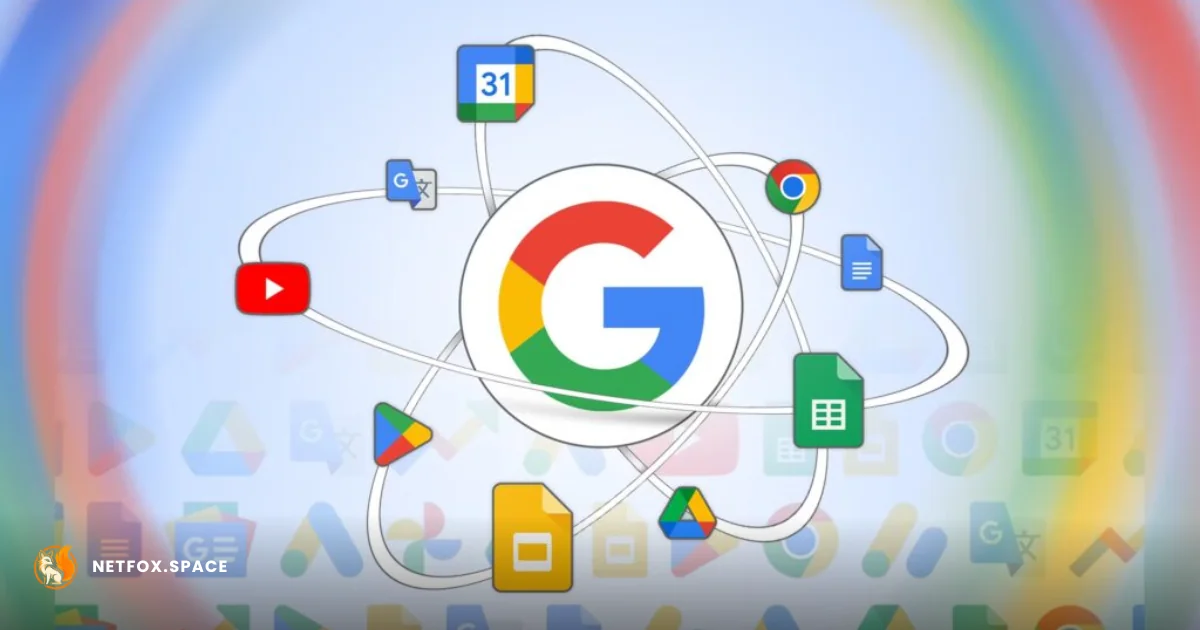
Google’s 2026 Pivot: Is the Search Giant Building a Global "Everything App"?
MOUNTAIN VIEW — Industry analysts and internal leaks from Alphabet suggest a radical restructuring of the Google ecosystem, signaling a move toward a centralized "Everything App" that could rival the dominance of China’s WeChat. As of January 2026, Google is no longer content with being a collection of disparate services like Maps, YouTube, and Drive; instead, it is weaving these threads together using Gemini 3 to create a unified, agent-driven interface that handles everything from financial transactions to autonomous software development.
The Unified Ecosystem: From Search to Synthesis
The shift marks the end of the "ten blue links" era. Google’s core search engine is rapidly evolving into a synthesized answer engine, where the AI doesn't just find information—it executes on it. By integrating Google Wallet and YouTube Shopping directly into the primary search bar, the company is attempting to eliminate the "app-hopping" fatigue that has plagued Western mobile users for a decade.
The backbone of this transformation is the latest multimodal reasoning capability found in the GPT-5.2 vs Claude 4.5 vs Gemini 3: 2026 AI breakdown. This leap in intelligence allows Google's mobile app to act as a proactive concierge, predicting when a user needs to book a flight based on a calendar invite and handling the payment within the same interface.
AntiGravity: The Death of Disconnected Workflows
For the technical community, the most disruptive component of this new strategy is AntiGravity, an agent-first development platform. Launched as a preview in late 2025, AntiGravity replaces traditional coding environments with a "Mission Control" for AI agents. These agents have direct permission to browse the web, edit code in real-time, and run terminal commands autonomously.
"We are moving from a world where you use a tool to a world where you manage a team of agents," a senior engineer at Google Cloud noted during the January 6 forecast. AntiGravity allows a single developer to spawn five agents to handle separate bugs simultaneously, radically accelerating the software lifecycle. This tool effectively turns Google Cloud from a passive hosting service into an active, self-correcting collaborator.
 NotebookLM: The Neural Hub for Personal Data
NotebookLM: The Neural Hub for Personal Data
While AntiGravity targets the professional, NotebookLM (formerly Project Tailwind) has become the consumer’s "second brain." The platform recently received a massive update, allowing it to ingest not just PDFs and text, but YouTube videos and Google Slides to generate instant mind maps and video overviews.
The "So-What" factor for users is the breaking of data silos. For the first time, your personal research in NotebookLM can influence how you interact with Gmail. For instance, a user can now change their Gmail address without starting a new account while keeping all their AI-summarized research and history intact, a feature long requested by power users.
The Competitive Landscape and Privacy Stakes
Google's push for a "walled garden" that encompasses all digital life hasn't gone unnoticed by competitors. The recent Apple and Google Gemini deal and its impact on Siri suggests that even Apple recognizes it cannot match Google's data density on its own.
However, the "Everything App" model raises significant antitrust and privacy concerns. Critics argue that by centralizing search, cloud, finance, and communication into a single "agentic" web, Google could become an inescapable gatekeeper of the internet.
| Feature | Legacy Google (2024) | Google "Everything" (2026) |
|---|---|---|
| Search | List of websites | Synthesized actions & agents |
| Development | Manual coding in VS Code | AntiGravity agent orchestration |
| Workspace | Disconnected docs/email | Context-aware unified hub |
| AI Model | Gemini 1.5 (Proactive) | Gemini 3 (Autonomous) |
As Alphabet continues to roll out these integrated features throughout the first quarter of 2026, the focus will shift to whether users are willing to trade the diversity of the open web for the convenience of a single, all-knowing assistant.
Comments (0)
Please login to comment
Sign in to share your thoughts and connect with the community
Loading...