
Netfox
HomeQ&AAnti-ScamNotifications
© 2026 Netfox. All rights reserved.
Terms of ServicePrivacy PolicyAbout UsEditorial Policy
Comment
Health

Can You Eat Too Much Protein? 5 Red Flags to Watch

Hana Than
Hana Than
Jan 24, 20263 min
0
0
0
146
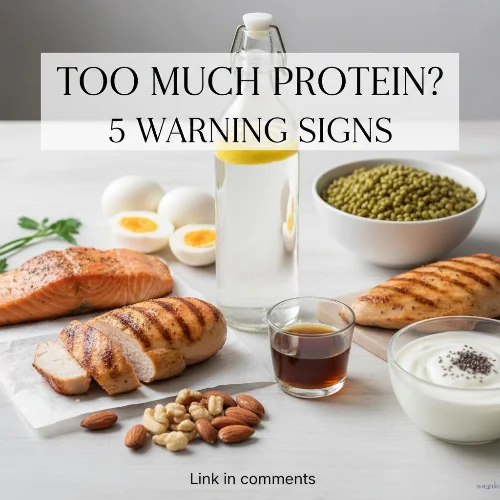
High-protein diets are trending, but overconsumption can strain your body. Discover the signs of protein overload and how to balance your intake.

The High-Protein Trap: Scientists Warn of the Risks of Overconsumption

The global obsession with muscle-building and weight loss has pushed protein consumption to record highs, but health experts are now sounding the alarm on the physical toll of "protein overload." While the macronutrient is essential for tissue repair and metabolic function, exceeding the body’s processing limit can trigger a range of metabolic and digestive complications.

The Biological Breaking Point

The human body is not designed to store protein in the same way it stores fats or carbohydrates. When intake exceeds the daily requirement typically 0.8 grams per kilogram of body weight for the average adult the liver and kidneys are forced to work overtime to process the excess nitrogen.

Behind the scenes, this metabolic strain often manifests through persistent dehydration. As the kidneys attempt to flush out the byproducts of protein metabolism, they utilize more water, often leaving individuals feeling thirsty regardless of their fluid intake. Experts suggest that those relying heavily on processed sources should consider 4 high-protein foods that outperform chicken breast to ensure a more diverse nutrient profile that includes fiber.
Digestive Distress and the Fiber GapDigestive Distress and the Fiber Gap

Digestive Distress and the Fiber Gap

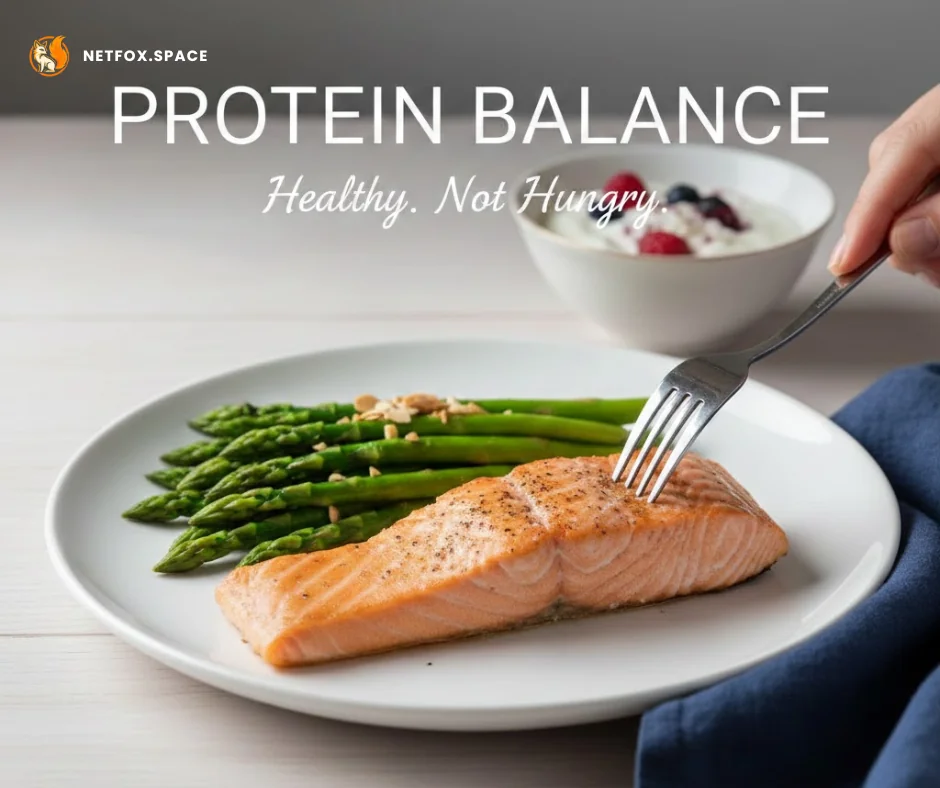
One of the most immediate indicators of an imbalanced diet is gastrointestinal upheaval. Diets centered exclusively on animal proteins often lack the necessary fiber found in plant-based sources, leading to chronic constipation or bloating. Conversely, an over-reliance on whey or soy isolates can cause diarrhea in those with sensitivities.

The move toward "clean eating" often masks the reality that many high-protein enthusiasts are inadvertently neglecting micronutrients. This is particularly common among those using powders as meal replacements. Medical professionals warn that there are 5 supplements you should never mix protein powder with, as certain combinations can further irritate the gut lining or inhibit the absorption of vital minerals.

The Hidden Cost to Bone and Kidney Health

Recent clinical data suggests that long-term protein excess may lead to more than just temporary discomfort. A high-acid load often a byproduct of heavy meat consumption can prompt the body to "buffer" the blood's pH level by leaching calcium from the bones, potentially weakening skeletal integrity over time.

Furthermore, for individuals with pre-existing undiagnosed kidney issues, a high-protein regimen can accelerate the decline of renal function. The data suggests that while athletes require more protein, the "more is always better" philosophy is a biological fallacy.
Breath and Mood: The Metabolic FalloutBreath and Mood: The Metabolic Fallout

Breath and Mood: The Metabolic Fallout

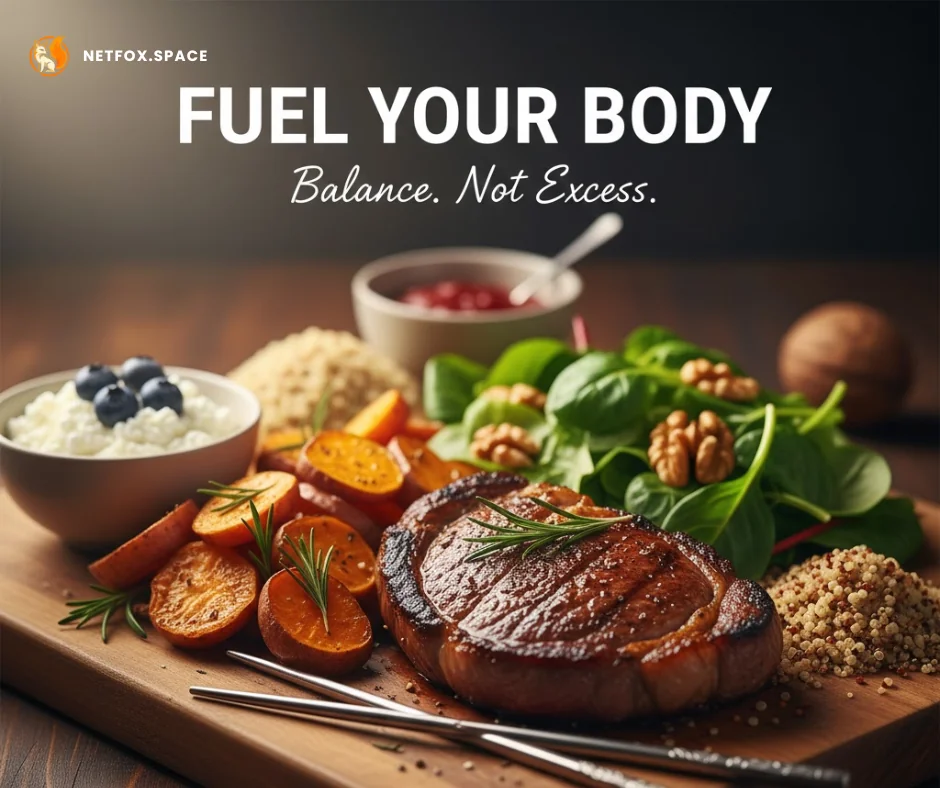
The "protein breath" phenomenon, often described as a metallic or ammonia-like smell, is a clear signal that the body has entered a state of ketosis or is struggling to break down amino acids efficiently. Beyond the physical, the lack of carbohydrates often sacrificed in high-protein diets can lead to "brain fog" and irritability, as the brain’s primary fuel source is glucose.

As the wellness industry continues to pivot toward protein-heavy marketing, the focus is shifting toward "protein quality" rather than sheer quantity. The next phase of nutritional science is expected to emphasize personalized intake levels based on gut microbiome health and activity levels, rather than a one-size-fits-all surplus.

Comments (0)

Sort by

Please login to comment

Sign in to share your thoughts and connect with the community

Loading...

Related news

Leading cardiology groups advise a shift toward home cooking to reduce reliance on ultra-processed foods (UPFs), citing cardiovascular risks and health impacts.

Cardiologists Urge Home Cooking to Cut UPF Intake

52 views•3 min
Health officials are monitoring passengers from the MV Hondius for hantavirus. Learn about the transmission risks, symptoms, and current status of the investigation.

Hantavirus Cruise Monitoring: Risk and Transmission Facts

62 views•4 min
Discover why clinical dietitians emphasize protein at breakfast for blood sugar stability, satiety hormone regulation, and muscle protein synthesis maintenance.

Why Dietitians Recommend High-Protein Breakfasts

92 views•3 min
New research suggests frequent daytime napping may be linked to higher risks of hypertension and stroke. Learn the difference between restorative and reactive sleep.

Frequent Napping Linked to Health Risks in New Study

69 views•3 min
Recent research suggests a link between pesticide residues on fruits and vegetables and increased lung cancer risk in non-smokers under 50. Learn the study's findings.

Pesticide Risks in Produce and Lung Cancer in Non-Smokers

67 views•3 min
A breakdown of the Mediterranean diet’s evidence base, its impact on chronic disease risk, and how to implement its core components according to Harvard health data.

Mediterranean Diet Evidence and Implementation Guide

46 views•3 min
Nutrition experts prioritize small, fatty fish like sardines for high omega-3 content and low mercury levels. Learn how to optimize your seafood intake safely.

The Healthiest Fish to Eat for Longevity and Brain Health

52 views•3 min
A new study of 50,000 adults suggests a correlation between high fruit and vegetable intake and certain lung cancer risks. Experts urge caution in interpreting the data.

Fruit and Vegetable Intake Linked to Specific Lung Cancer Risk

76 views•3 min
mRNA vaccines show durable immune responses in pancreatic and melanoma trials, marking a shift toward personalized immunotherapy despite logistical hurdles.

mRNA Cancer Vaccines Show Promise in Early Clinical Trials

75 views•4 min
A systematic review of donanemab and lecanemab finds that despite reducing amyloid plaques, the drugs do not offer clinically significant cognitive improvements.

New Alzheimer's Drugs Lack Clinical Benefit, Review Finds

67 views•3 min
San Francisco health officials have confirmed the city's first case of Clade I mpox. Learn about the strain's severity, local risks, and how to access vaccines.

SF Reports First Clade I Mpox Case: What to Know

73 views•3 min
New research suggests sodium levels in drinking water, driven by rising sea levels, may contribute significantly to hypertension in coastal communities.

Drinking Water Sodium May Impact Blood Pressure

67 views•3 min
Learn how to reduce tick populations in your yard using moisture management, wood chip barriers, and strategic landscape design based on CDC and health data.

How to tick-proof your yard: Science-backed prevention steps

70 views•3 min
Over 350,000 supplement bottles have been recalled due to a failure in child-resistant packaging requirements, posing risks of poisoning and serious injury.

350,000 Supplement Bottles Recalled for Safety Risks

85 views•3 min
Scientists have identified the specific transport mechanism that allows Vitamin B1 to enter mitochondria, confirming a biological theory first proposed in 1959.

Vitamin B1 Hypothesis Proven After 67 Years

73 views•3 min
Research indicates that exceeding recommended Vitamin D levels can lead to hypercalcemia and bone health risks, challenging the "more is better" supplement trend.

Risks of Excessive Vitamin D Supplementation Explained

87 views•3 min
Experts warn that high doses of vitamins can lead to toxicity. Learn the six clinical signs of supplement overdose, from skin changes to nerve damage.

Signs of Vitamin Overdose: 6 Symptoms of Toxicity

84 views•3 min
While lemons and limes share a citrus lineage, their nutritional profiles and vitamin C levels differ. Learn which fruit offers higher acidity and specific health benefits.

Lemons vs. Limes: Nutritional Differences and Health Benefits

75 views•3 min
Not all "health" foods are equal. Nutritionists flag granola bars, flavored yogurt, and fruit juices as ultra-processed items that may hinder health goals.

6 'Healthy' Foods Classified as Ultra-Processed

92 views•3 min
A recent study found that NMN supplements may reduce systolic blood pressure and arterial stiffness. Learn about the study limitations and clinical relevance.

Can NMN Lower Blood Pressure? New Study Results

75 views•3 min