
Jennifer Welch Criticizes Biden Over Trump Legal Strategy

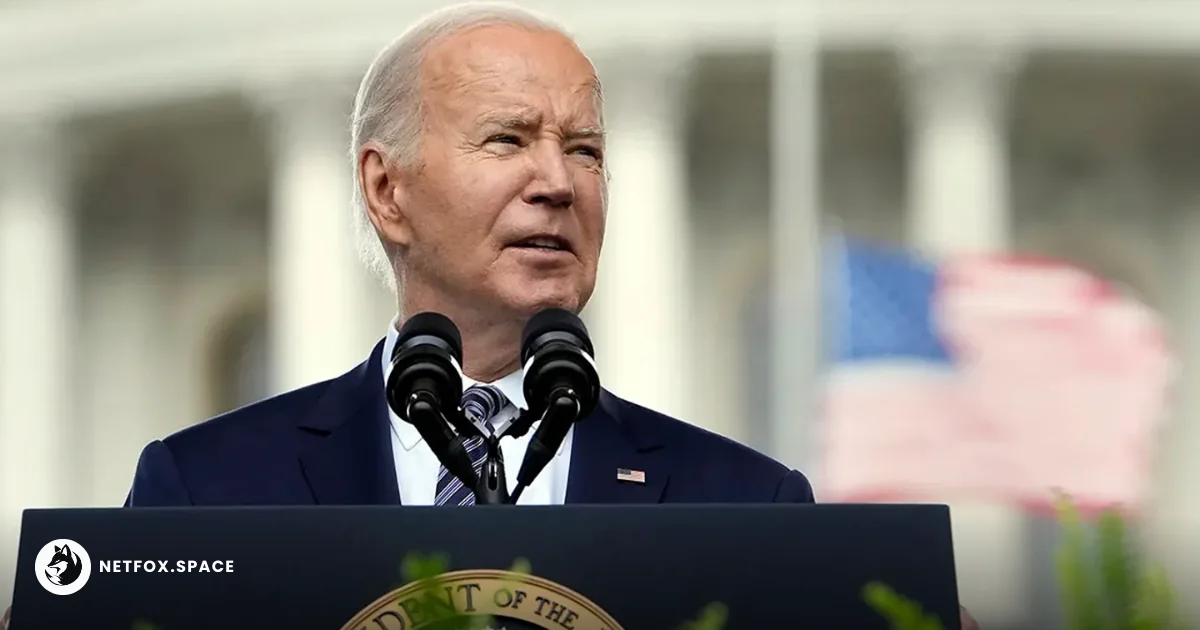
Welch Critiques Biden’s "Institutionalist" Judicial Philosophy
During a recent episode of the I’ve Had It podcast, co-host Jennifer Welch delivered a viral critique of President Joe Biden, arguing that his administration’s hands-off approach to the Department of Justice (DOJ) fundamentally endangered the Democratic platform. Welch contended that by not actively steering the DOJ to charge Donald Trump immediately following the events of January 6, 2021, Biden allowed the former president to regain political momentum.
The frustration centers on the tension between Biden’s "institutionalist" view—maintaining a strict firewall between the White House and the Attorney General—and the progressive demand for aggressive legal accountability. Welch’s commentary reflects a specific subset of the liberal media sector that views judicial independence not as a virtue, but as a strategic failure in the face of perceived existential threats to democracy.
The Merrick Garland Appointment and Procedural Lag
A primary driver of this dissatisfaction is the timeline overseen by Attorney General Merrick Garland. Appointed by Biden to restore the DOJ’s reputation for neutrality, Garland’s cautious, "bottom-up" investigation style resulted in federal charges being filed years after the alleged offenses occurred. This delay has had significant logistical consequences, as many of these cases now face hurdles related to the U.S. Supreme Court's rulings on presidential immunity.
Critics like Welch argue that the Executive Branch failed to appreciate the "ticking clock" of the election cycle. From a legal standpoint, the procedural rigor required for such high-profile indictments necessitated extensive grand jury testimony and document recovery, yet the political reality is that the delay has allowed the defense to employ "delay and dismiss" tactics that may push resolutions past the 2024 or even 2026 electoral milestones.
The "Neutrality Trap" in Modern Political Warfare
The core of Welch’s argument exposes a structural rift in how modern political movements perceive the rule of law. While the Biden administration prioritized the norms and traditions of the American legal system to avoid the appearance of "lawfare," the progressive wing views this as a unilateral disarmament.
| Perspective | Philosophy | Strategic Risk |
|---|---|---|
| Biden/Institutionalist | Protect DOJ independence at all costs. | Legal process moves too slowly to stop political shifts. |
| Welch/Progressive | Use executive influence for urgent accountability. | Risks weaponizing the judiciary and setting a dangerous precedent. |
| Constitutionalist | Adhere strictly to the Bill of Rights and Due Process. | Complexity of cases leads to public exhaustion and apathy. |
This "Neutrality Trap" suggests that by adhering to 20th-century standards of non-interference, the current administration may have inadvertently facilitated the return of the very "chaos" they campaigned to end. This is not merely a disagreement over policy, but a fundamental dispute over whether the justice system can function effectively when one side refuses to acknowledge its traditional boundaries.
Systemic Implications for the Democratic Base
The vocal dissatisfaction from figures like Welch signals a potential "enthusiasm gap" within the Democratic Party's base. If the core electorate perceives that the leadership is too timid to use its power, voter turnout in key demographics—particularly among those who prioritize social justice and judicial reform—could stagnate. This internal friction is increasingly visible in digital media spaces, where podcasters and independent commentators hold significant sway over younger, more radicalized voters.
Furthermore, this rhetoric places the Biden administration in a defensive crouch. If they move to influence the DOJ now, they validate claims of political interference; if they remain distant, they continue to alienate their most passionate supporters. This creates a systemic vulnerability where the administration is blamed for the outcomes of a legal system over which it claims to have no control.
Potential for Future Judicial Reform Volatility
The fallout from this frustration is likely to manifest as increased pressure for radical judicial reforms, including potential Supreme Court expansion or stricter term limits for federal judges. As the narrative shifts from "Trump’s alleged crimes" to "Biden’s alleged inaction," the focus of the 2026 political landscape may pivot toward an overhaul of the Department of Justice's internal operating procedures.
The immediate risk remains a permanent fracturing of the coalition that elected Biden in 2020. If the legal challenges against Trump fail to yield a definitive resolution before the next major electoral cycle, the progressive wing may seek a leadership change that favors a more "activist" executive branch, fundamentally altering the separation of powers as it has historically existed in the United States.
Comments (0)
Please login to comment
Sign in to share your thoughts and connect with the community
Loading...