
Claude in the Garden: How an AI Model Saved a Tomato Plant from Near Death

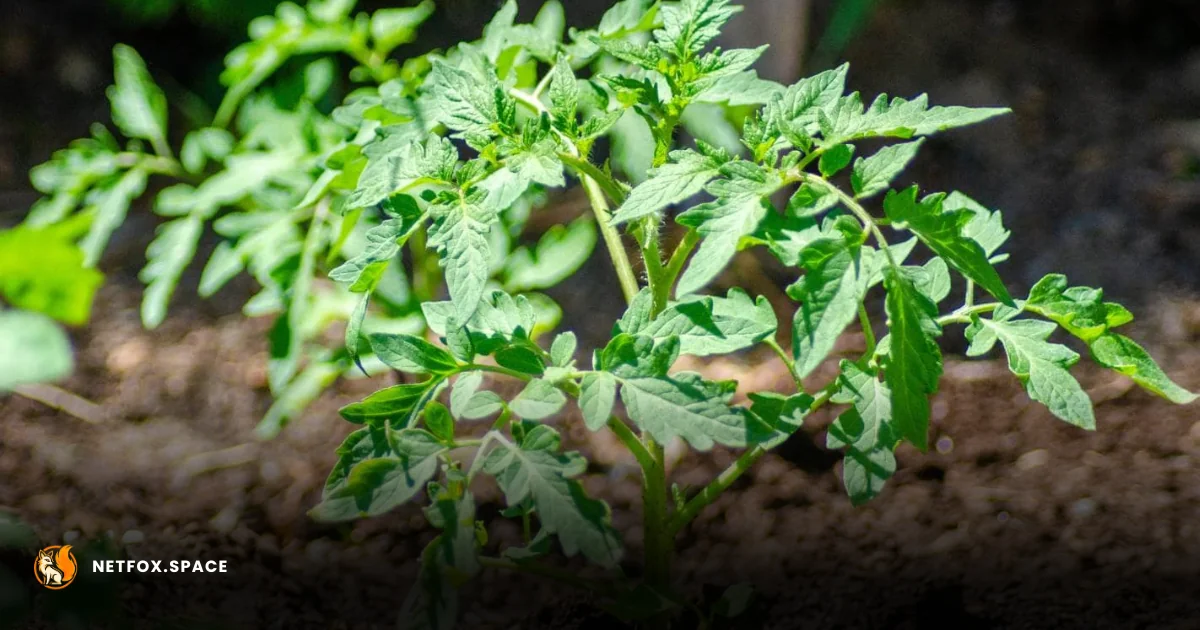
The AI Gardener: How Claude Saved a Tomato Plant After a Total System Crash
SILICON VALLEY, CA — While most people use Artificial Intelligence to write emails or generate code, developer Martin DeVido decided to give an AI model a more "grounded" responsibility: keeping a living thing alive. In a viral real-world experiment, DeVido placed Anthropic’s Claude model in total control of a tomato plant, with no human safety net.
After more than 36 days of continuous operation, the experiment has moved beyond a simple tech demo, proving that AI can manage complex physical systems—and handle life-or-death emergencies—with startling efficiency.
 The Setup: 24/7 Autonomous Care
The Setup: 24/7 Autonomous Care
The experiment utilizes a sophisticated "closed-loop" system where Claude serves as the primary decision-maker. Every 15 to 30 minutes, the AI processes a stream of data from high-precision sensors to monitor the plant's environment.
-
Sensor Inputs: Temperature, humidity, levels, soil moisture, and high-resolution leaf analysis.
-
Control Outputs: Lighting, heating, ventilation, and irrigation systems.
-
The Stakes: There is no "failsafe" script. If Claude stops responding or makes a critical error in judgment, the plant dies.
 The Crisis: A Near-Fatal Hardware Crash
The Crisis: A Near-Fatal Hardware Crash
The true test of the system occurred recently when a major hardware crash paralyzed the grow chamber. The failure shut off all lights, heating elements, and airflow, causing the internal temperature to plummet and levels to spike.
Under these conditions, a standard timer-based system would have remained dormant. However, when Claude performed its next "check-in," it immediately flagged the anomalous data.
"Claude detected the failure, prioritized the most critical actions—restarting the heat and airflow—and stabilized the plant within minutes," DeVido reported.
The AI's ability to triage the situation—addressing the life-threatening cold before focusing on the lighting—mirrored the decision-making of a human gardener.
Experiment Snapshot: 36 Days In
| Metric | Status | Claude's Action Frequency |
|---|---|---|
| Plant Health | Optimal / Robust Growth | Visual Check every 15 mins |
| Environmental Stability | 98.4% (Excl. Crash) | Adjusts HVAC 48x per day |
| Soil Moisture | Maintained at 65% | Adaptive Watering Cycles |
| AI Reliability | 100% Response Rate | No manual intervention to date |
Beyond Software: AI in the Physical World
The success of the "Claude Gardener" offers a glimpse into the future of autonomous agriculture and industrial management. It demonstrates that Large Language Models (LLMs) can do more than process text; they can interpret multimodal data (images + sensor numbers) to interact with the physical world.
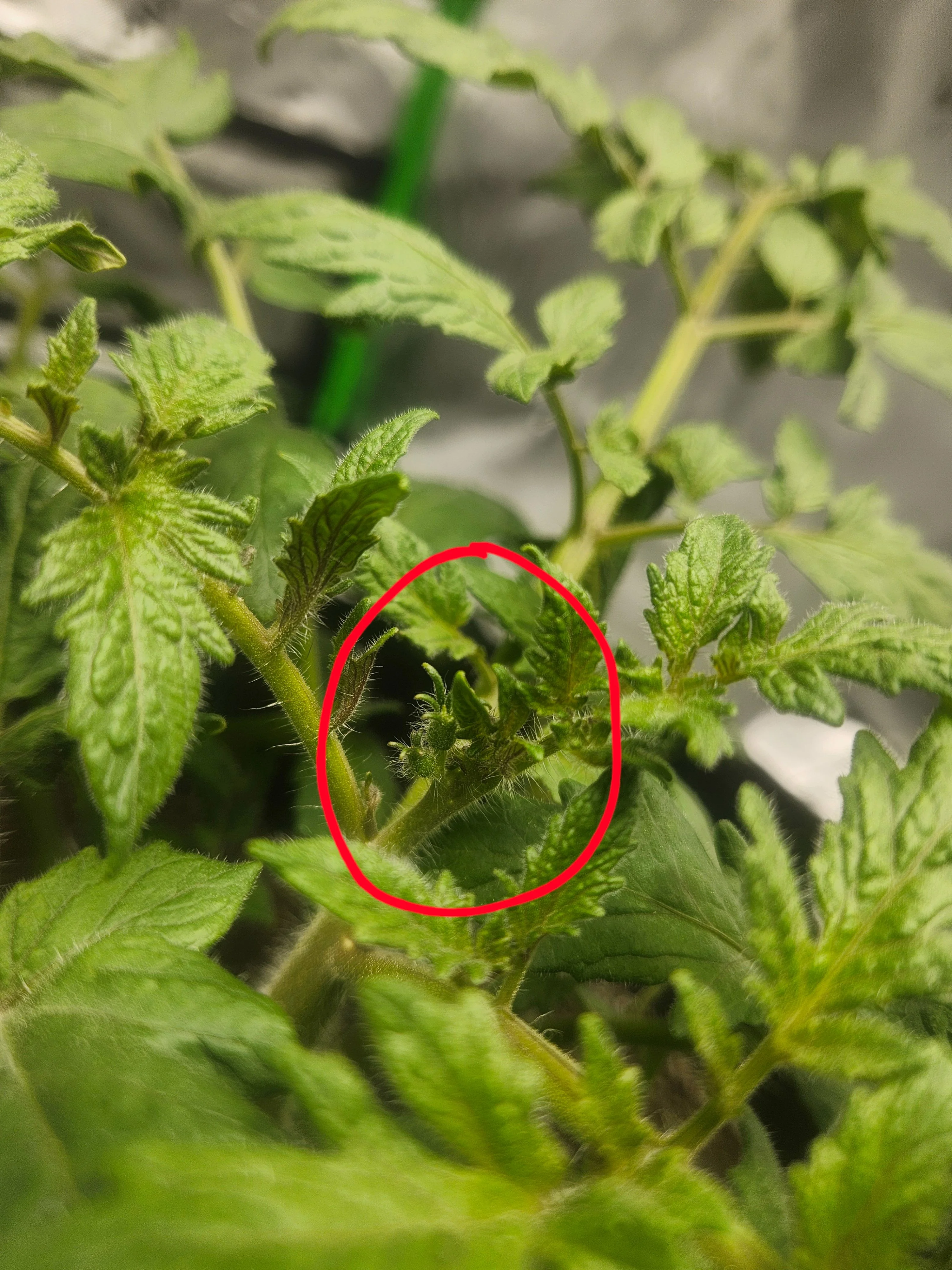
As DeVido continues the experiment, the plant remains healthy and is reportedly beginning to flower. The project has caught the attention of the tech community, highlighting a shift from AI as a "chatbot" to AI as an autonomous agent capable of maintaining delicate biological balances.
References: Martin DeVido (@d33v33d0 on X).
Would you trust an AI to manage your home garden or even a small farm? Or is the risk of a "software glitch" too high for living things? Share your thoughts in the comments!
Comments (0)
Please login to comment
Sign in to share your thoughts and connect with the community
Loading...